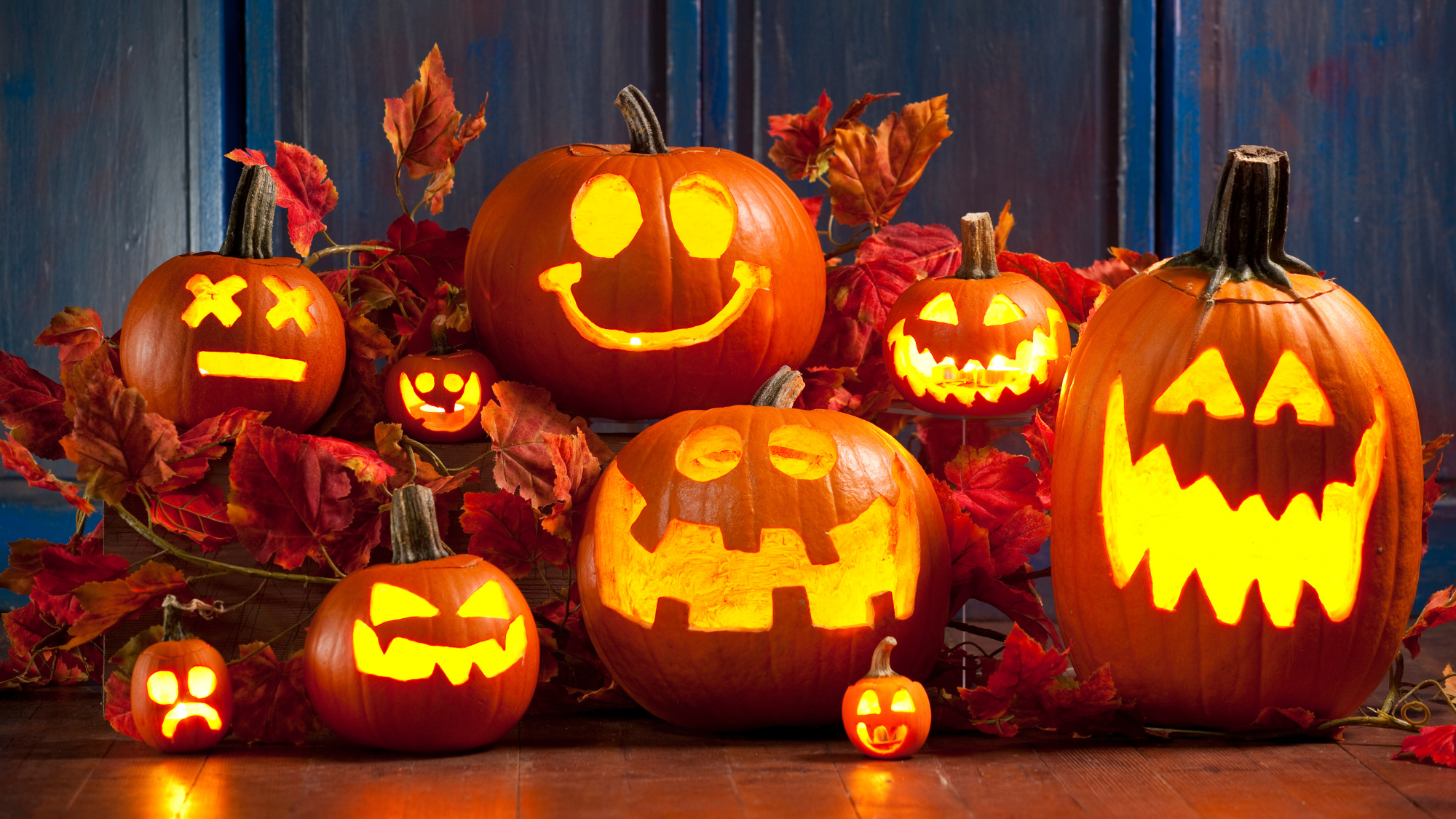
Choosing a Halloween pumpkin carving design can feel overwhelming. A new idea suggests linking your design to your birth month, offering a fun and personalized approach to the holiday tradition. Source: gardeningknowhow.com.
Birth Month Pumpkin Designs
The concept assigns a specific pumpkin design to each month of the year. The idea is simple: match your birth month to a carved pumpkin style, making the activity more personal and meaningful.
- January: The classic spooky face, often with sharp features and a dark expression, evokes winter and mystery.
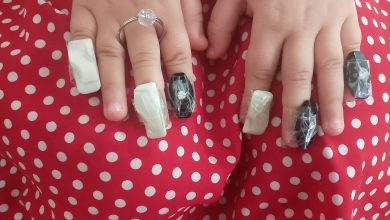
- February: A spider design, symbolizing web-spinning and mystery, reflects the month’s association with intrigue and nature’s hidden patterns.
- March: A floral pumpkin, featuring blossoms and natural patterns, mirrors the rebirth of spring and the beauty of blooming plants.
- April: A monster face, with exaggerated features and a wild look, captures the energy and excitement of springtime celebrations.
- May: A painted pumpkin, with colorful, artistic details, reflects the vibrant hues of summer and creative expression.
- June: A pop culture pumpkin, inspired by movies or famous characters, connects the design to shared cultural moments and nostalgia.
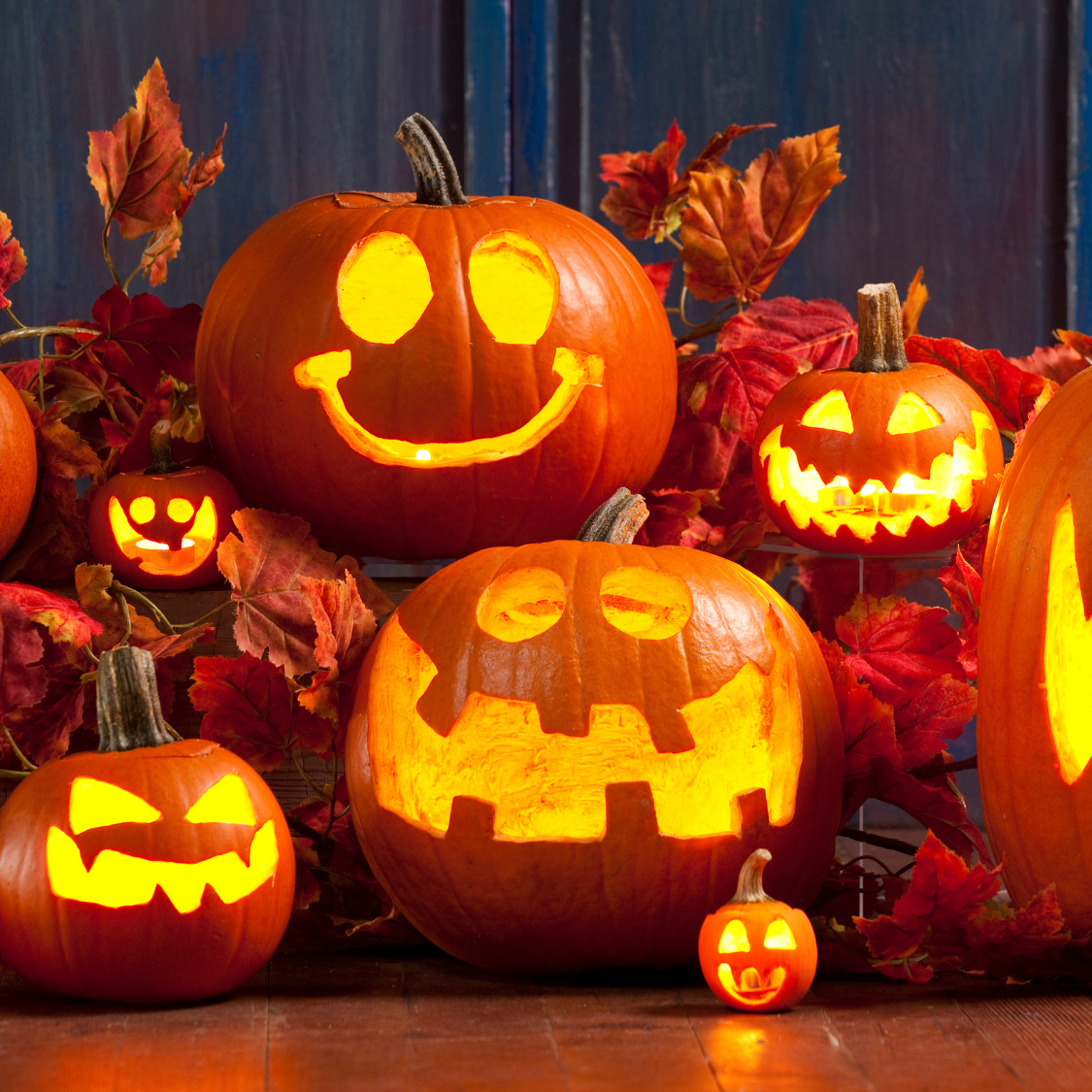
- July: A smiling pumpkin, with a cheerful and friendly expression, embodies warmth and optimism, ideal for summer festivities.
- August: A sugar skull pumpkin, echoing traditional Mexican art, brings cultural depth and artistic inspiration to the design.
- September: A cat pumpkin, with a feline face or design, taps into the playful and familiar image of domestic felines.
- October: A celestial pumpkin, with stars, moons, or cosmic elements, reflects the month’s connection to autumnal wonder and the night sky.
- November: A pumpkin fairy house, featuring a small structure or fantasy scene, blends whimsy with imaginative storytelling.
- December: A ghost pumpkin, with translucent or spectral features, captures the ethereal mood of winter holidays.
Origin and Purpose
The concept comes from a gardening website, Gardening Know How. It is presented as a fun, personalized way to approach Halloween decoration, encouraging creativity and emotional connection to seasonal traditions.
The site does not claim scientific or psychological validity. It is framed as a lighthearted, creative suggestion rather than a proven method. The list of designs appears to be curated for entertainment and engagement, not based on data or research.
Why It Matters
For many, the idea offers a simple, engaging way to personalize a traditional holiday activity. It fosters creativity and helps individuals connect with seasonal traditions through a personal lens.
It may also inspire conversation—especially among families or groups—about identity, memory, and personal expression. Such moments can strengthen bonds and create shared experiences during the holiday season.
Limitations and Criticisms
The concept has no basis in psychology or design theory. It does not reflect actual preferences or behaviors. There is no evidence that people prefer certain designs based on their birth month.
Some users may find the idea amusing or whimsical, but others may see it as trivial or outdated. The site does not provide sources or references for the design assignments, suggesting the list is intentionally crafted for entertainment rather than factual accuracy.
What to Watch For
As Halloween traditions evolve, more personal and interactive ideas may emerge. Future content may explore how cultural or regional traditions influence pumpkin carving styles.
For those interested in meaningful decorations, the site also offers links to other gardening topics, such as Halloween garden ideas and common pumpkin varieties.
For a broader look at seasonal themes, see bird month meanings.
Ultimately, the birth month pumpkin idea is best viewed as a playful, not a factual, tradition—perfect for sparking joy and creativity, but not a scientifically valid practice.
Sources & further reading
Featured image: A group of Jack-o-lanterns lit up for the holiday.. Via original publisher. Image source