Blue Planet III shows thriving bluefin tuna Source: bbc.co.uk.
What the Discovery Shows
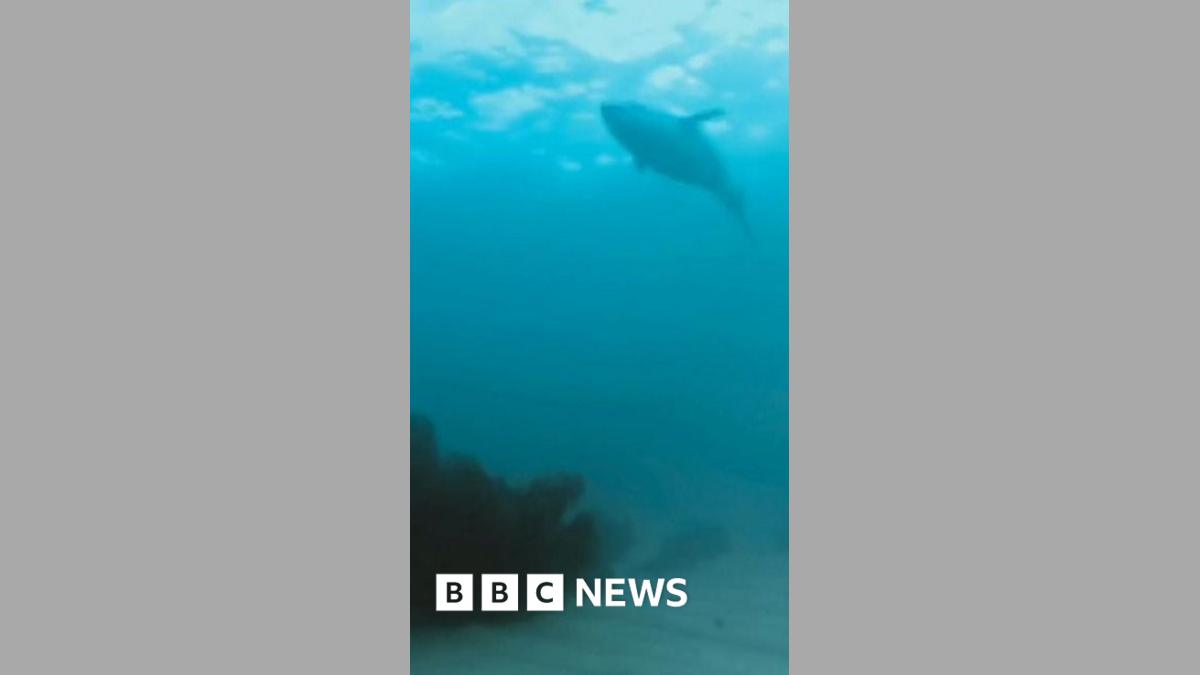
The footage from the documentary series, which features David Attenborough, captures bluefin tuna in their natural habitat off the coasts of England and Cornwall. The fish are seen swimming in large schools, exhibiting strong movement and healthy physical condition.
Marine scientist says it “doesn’t get better” than advising the Blue Planet III team.
Key Facts from the Footage
- Bluefin tuna were observed in deep waters near the English Channel and the Cornish coast.
- Multiple individuals were seen swimming in coordinated groups, indicating strong social behavior and population stability.
- There is no visible evidence of signs of stress or injury in the fish, suggesting good environmental conditions.
The footage was captured during a segment of Blue Planet III, a BBC production that combines scientific observation with environmental storytelling. The series aims to highlight the state of marine life and the challenges it faces.
Why This Matters
Bluefin tuna are a highly valued species, both commercially and ecologically. Their recovery could signal broader improvements in ocean health, especially in areas affected by climate change and overfishing.
Scientists have long monitored bluefin tuna due to their role in marine food webs and their sensitivity to environmental shifts. A stable population may indicate that current conservation efforts are having a measurable impact.
However, experts caution that this observation does not mean the species is fully safe. Overfishing in other regions, such as the Mediterranean, continues to pose threats. The recovery in one area does not guarantee stability elsewhere.
Limitations and Open Questions
The BBC footage provides visual evidence, but it does not include comprehensive data on population size, age distribution, or genetic health. These details require scientific sampling and long-term monitoring.
Marine scientist says it “doesn’t get better” than advising the Blue Planet III team. Added: “We can see signs of vitality, but we don’t yet know if the population is sustainable over time. More research is needed to confirm long-term trends.”
There is also uncertainty about whether the observed recovery is due to improved ocean conditions, reduced fishing pressure, or a combination of factors. Without detailed data, conclusions remain cautious.
What to Watch Next
Future episodes of Blue Planet III may include deeper dives into the fishing practices, ecosystem dynamics, and policy decisions affecting bluefin tuna. The series will likely explore how human activity influences marine life beyond visible signs.
Marine conservation groups are already using the footage to advocate for stronger protections. The BBC has not released official statistics, but the visual evidence is being shared widely by environmental organizations.
For more on marine life and ocean health, see our coverage of Blue Planet III and related topics in marine conservation.
Sources & further reading
Featured image: A bluefin tuna in blue water.. Via original publisher. Image source