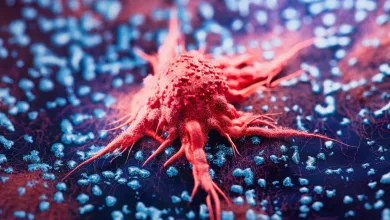
A 3-year-old boy with advanced liver cancer has achieved complete remission after two doses of experimental CAR T cell therapy. This case marks one of the first successes in treating a solid tumor with CAR T therapy, offering new hope in pediatric oncology.
What Happened
When diagnosed, the boy had a liver tumor measuring 11.2 cm by 9.6 cm by 7.1 cm—about the size of a large apple. It had already spread to his lungs and showed signs of bone involvement, indicating advanced disease.
The child received three rounds of chemotherapy and surgery to remove the primary liver tumor and two lung tumors. The cancer returned quickly, forming a new lung tumor. This recurrence showed traditional treatments were failing.
The family and medical team then enrolled the boy in the CARE study, the first human trial of a CAR T therapy designed for solid tumors. The trial focused on hepatoblastoma, a rare and aggressive childhood liver cancer.
Key Facts
- The therapy used GPC3-CAR T cells made from the boy’s own immune cells—personalized to his body.
- It targets glypican-3 (GPC3), a protein overexpressed in liver cancers but rare in healthy tissue, reducing harm to normal cells.
- Genes for interleukin-15 and interleukin-21 were added to boost the T cells’ survival and cancer-killing power, based on prior lab studies.
- After the first dose, CT scans showed a partial response. Alpha-fetoprotein levels dropped, a sign of reduced tumor activity.
- Eight weeks later, after the second dose, scans showed no active cancer—only residual liver scarring.
- The boy remained disease-free for 12 months, a remarkable result given his initial diagnosis and prior treatment failures.
How the Therapy Works
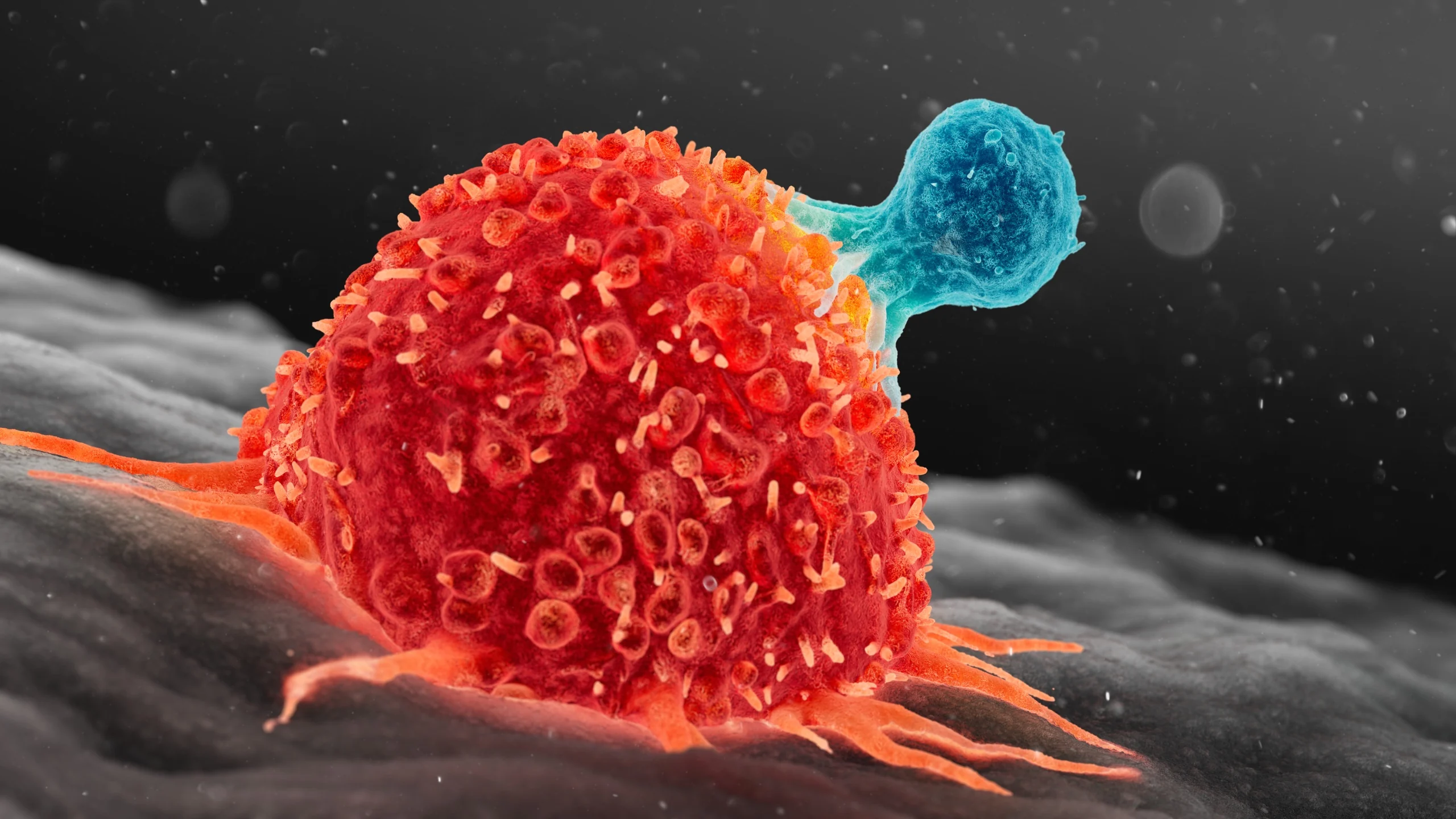
CAR T cell therapy removes T cells from a patient’s blood. These cells are genetically modified in a lab to recognize cancer proteins. Then they are returned to the body.
The engineered cells act like immune soldiers. They find and destroy cancer cells while leaving healthy tissue untouched. This approach has worked well in blood cancers like leukemia.
For solid tumors, the immune environment is more complex. This case shows that with a precise target—like GPC3—CAR T cells can still work effectively in liver cancer.
Why It Matters
Liver cancer is the third leading cause of cancer-related deaths worldwide. Hepatoblastoma is rare and aggressive, with poor long-term survival rates for children.
This case suggests CAR T therapy could be a safe, outpatient treatment for children with GPC3-positive tumors. It supports the rise of personalized medicine in cancer care.
Limitations and Open Questions
This is a single case from an early-phase trial. Broader results are needed to confirm the therapy’s effectiveness and consistency.
While no systemic toxicity was reported, long-term safety and remission durability remain under study. The therapy only works for tumors that express GPC3.
Further testing is ongoing in the CARE study at Baylor College of Medicine and the IMPACT trial at Seattle Children’s Hospital. These trials will assess safety, response rates, and broader use.
What to Watch Next
Researchers will track outcomes in more patients. They will monitor long-term remission and any side effects.
If successful, this case could inspire similar therapies for other solid tumors with specific surface proteins.
Scientists hope to expand this approach to offer safer, personalized, outpatient treatments—reducing burden on families and healthcare systems.
The findings are published in The New England Journal of Medicine.
For more details, see the original report at sciencealert.com.
Sources & further reading
Featured image: A 3-Year-Old's Metastatic Cancer Vanished After Two Doses of Experimental Therapy. Via original publisher. Image source