Christmas wheat is a tradition rooted in Europe, where people grow wheatgrass indoors in early December to celebrate the holiday season. This ritual, observed from France to Ukraine and the Balkans, involves planting wheat seeds in bowls or trays and watching them grow into green shoots by Christmas. The practice symbolizes new life, fertility, and renewal, reflecting a deep cultural connection to nature and the cycles of the seasons. Source: gardeningknowhow.com.
The Tradition of Christmas Wheat
The sowing of Christmas wheat is not merely a decorative gesture—it is a meaningful cultural practice that has been passed down through generations. Historically, the initial purpose of planting wheat was to bless the coming harvest, a gesture that acknowledged the importance of agriculture in pre-industrial societies. As societies evolved, so did the symbolism of the tradition. The green shoots of wheatgrass, emerging from dry seeds, became a powerful metaphor for resilience, growth, and the triumph of life over winter’s darkness.
Today, the tradition continues in many rural and village communities across Europe. In the Province area of France, it is known as Saint-Barbe wheat (le blé de la Sainte-Barbe), named after the feast day of Saint Barbara on December 4. This date marks the beginning of the planting ritual, and families gather to prepare their containers, often using three small bowls or saucers. The three bowls are not arbitrary—they represent the Holy Trinity in Christian tradition, symbolizing the Father, the Son, and the Holy Spirit. This religious layer adds depth to the ritual, transforming it from a simple gardening activity into a spiritual observance.
In Croatia, the origins of the tradition are tied to a historical anecdote involving the Holy Family. According to local lore, when the Holy Family fled from Herod’s soldiers, they encountered a farmer who was sowing wheat. The family asked the farmer to tell the soldiers that they had already passed through. The wheat, reportedly growing rapidly, reached a height that made it appear as though the family had long ago left. The soldiers, seeing the tall crop, assumed the family had already gone, and abandoned their search. This story has been passed down through generations and is now a foundational element of the Croatian Christmas wheat tradition. The fast growth of the wheat is interpreted as a sign of divine intervention and the power of faith to overcome adversity.
While the stories differ slightly by region, the underlying theme remains consistent: wheat grows quickly in the right conditions, and its emergence during winter represents hope and the promise of renewal. In both France and Croatia, families grow the seeds in containers lined with damp cotton wool or potting soil. A growing tray with a solid base beneath it is a practical modern alternative, especially for those with limited space or who wish to grow multiple containers.
How to Grow Christmas Wheat at Home
- Gather what you need: The most essential ingredient is hard red winter wheat berries, commonly sold as wheatgrass seeds. These seeds are ideal because they are hardy and have a high germination rate. While wheat is traditional, alternatives like lentils or chickpeas can be used, though they do not carry the same symbolic weight. The presentation also varies by region. In Province, three small bowls are used, each representing a sacred element. In Croatia, any container can be used, as long as it is lined with a moisture-retaining medium such as cotton wool or soil.
- Plant the seeds : Begin by soaking the wheat grains overnight in room-temperature water. This softens the seed coat and helps initiate germination. After soaking, spread the seeds evenly across the damp cotton wool or potting soil. If using three bowls, distribute the seeds evenly among them to maintain balance and symmetry. For a tray setup, spread the seeds in a single layer to ensure even growth. Place the container near a bright window, ideally one that receives morning or afternoon sunlight. Avoid direct midday sun, which can dry out the medium too quickly. Cover the container with a plastic bag or plastic wrap to retain moisture and warmth. Mist the cotton wool or soil with water every day to keep it consistently damp but not soggy.
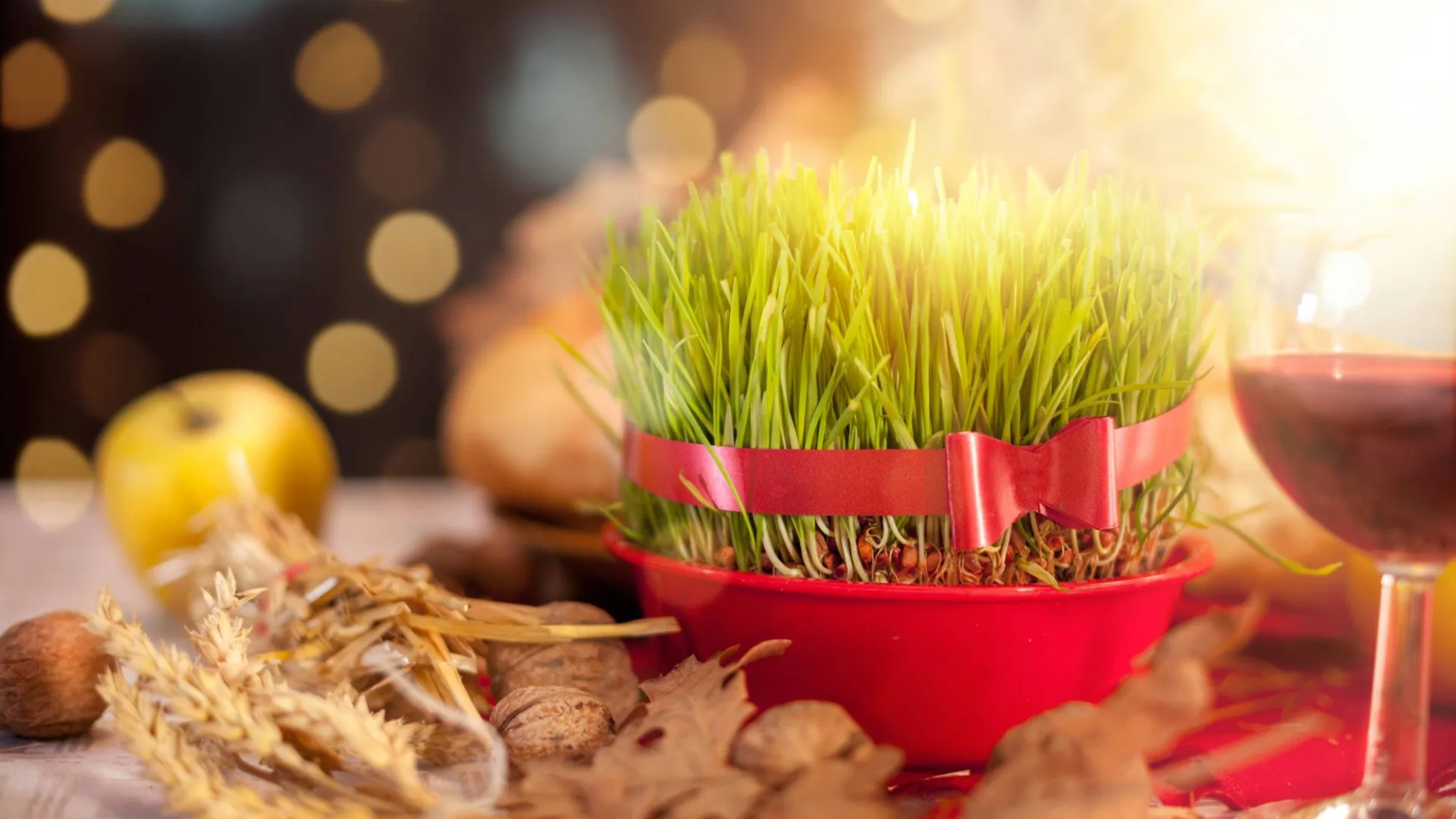
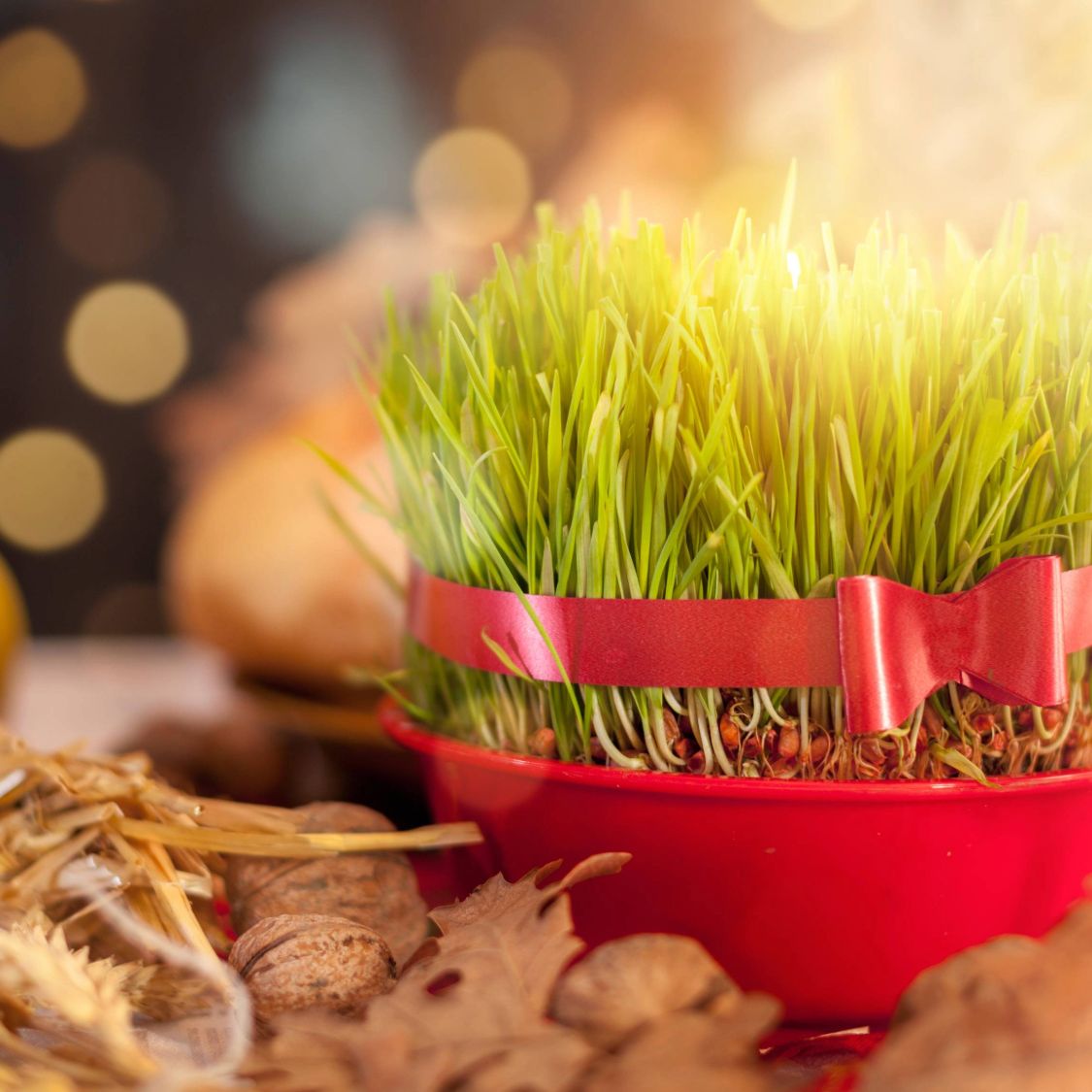
- Arrange the centerpiece: By Christmas Eve, the wheat should have developed straight, vibrant green shoots. This is the moment when the centerpiece is assembled. In Province, families tie red and yellow or red and green ribbons to the wheat, creating a festive display. These ribbons often mirror traditional Christmas colors and are tied in a way that reflects local customs. The sprouted wheat is then placed at the center of the Christmas Eve table, where it becomes part of the family’s ceremonial meal. After Christmas, the bowls are often moved to a prominent place near the family’s nativity scene or crèche, where they are displayed alongside handmade clay saint figures. In Croatia, the wheat is decorated with a red-white-blue ribbon, symbolizing national pride. Some families add a red candle or a red apple in the center to enhance the holiday atmosphere. These additions serve both decorative and symbolic purposes, reinforcing the idea of warmth, celebration, and continuity.
What to Know About the Wheatgrass
It is important to emphasize that the wheatgrass grown in this tradition is not edible. While mature wheatgrass is known for its health benefits—such as being rich in antioxidants, vitamins, and minerals—home-grown sprouts from a container are not safe for consumption. The sprouting process in a small, indoor container does not result in a plant that has been properly cultivated or processed for human consumption. The seeds may have been soaked and germinated, but they do not undergo the full growth cycle required to produce safe, edible greens.
However, the juice of mature wheatgrass—grown in dedicated, controlled environments and harvested after several weeks—can be extracted and consumed. This juice is rich in nutrients and may be enjoyed after a festive meal. For those interested in growing wheatgrass for health purposes, dedicated resources are available. The Gardening Know How site offers guidance on growing wheat in home gardens. Similarly, the Gardening Know How page provides detailed instructions on cultivating wheatgrass plants for consumption.
Why This Tradition Matters
Christmas wheat connects people to ancestral customs and natural cycles. It offers a tangible, hands-on way to celebrate the season, fostering intergenerational bonding and a deeper appreciation for the environment. By growing their own wheat, families participate in a ritual that emphasizes growth, hope, and continuity. The act of watching seeds sprout under controlled conditions mirrors the human experience of patience, anticipation, and the joy of seeing something emerge from nothing.

Moreover, the tradition promotes mindful engagement with nature. It encourages people to observe how plants respond to light, moisture, and time. This awareness can inspire a greater respect for ecological processes and a more sustainable relationship with the natural world. In an age of rapid technological change, such rituals provide a grounding connection to the rhythms of the earth.
Limitations and Considerations
Not all regions practice this tradition, and its observance varies. In some areas, it is a local custom with limited public awareness. While the ritual has symbolic value, it does not guarantee health or prosperity. The idea that ‘when wheat goes well, everything goes well’ is a cultural belief, not a scientific one. Additionally, the tradition does not require specialized tools or space. A simple bowl and a few seeds are sufficient. For those new to gardening, this tradition serves as a gentle introduction to plant care and seasonal rituals.
Teo Spengler, a master gardener and docent at the San Francisco Botanical Garden, has studied horticulture for over two decades. She notes that traditions like Christmas wheat help people connect with nature and with each other. Spengler, who splits her time between San Francisco and the French Basque Country, emphasizes that the tradition is accessible and meaningful regardless of where one lives. She adds that while the wheatgrass is not edible, its presence in a home during winter can bring a sense of warmth and continuity.
For gardeners and families seeking to enrich their holiday routines, Christmas wheat offers a simple, beautiful, and deeply rooted practice.
Sources & further reading
Featured image: Traditional Christmas decoration with Christmas wheat, Yule log and wine. Via original publisher. Image source