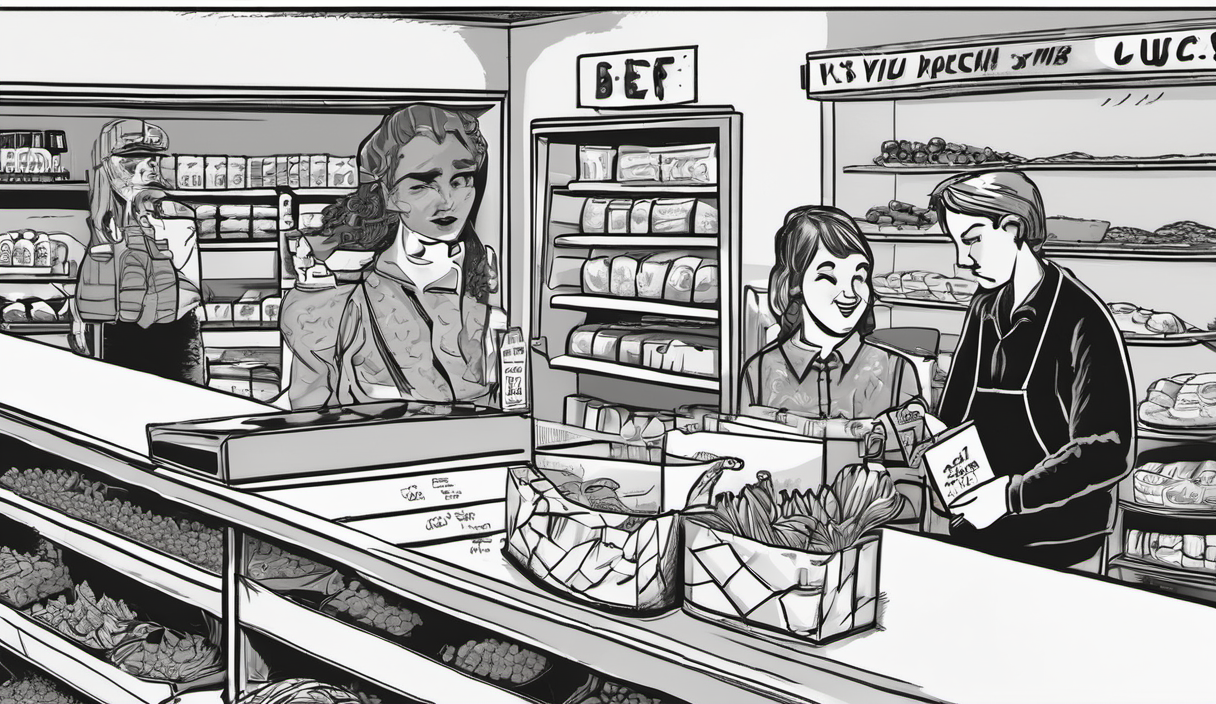
A Guardian investigation has found that major U.S. convenience-store chains, including 7-Eleven and Circle K, regularly charge customers more than the prices listed on shelves. Source: theguardian.com.
What Happened
Marco Cruz, a resident of McAllen, Texas, reported paying $4.19 for beef and jalapeño cheese sticks priced at $3.99 on the shelf.
When he asked the cashier to honor the lower price, the employee refused and threatened to call police. Cruz later filed a complaint with the Texas attorney general.
Similar incidents have occurred multiple times in the past six months, according to Cruz. In another case, a customer in Austin was overcharged for gas after a promotion had ended.
Key Facts from the Investigation
- Between 2023 and 2025, Circle K failed 35% of price-accuracy inspections in Florida, 62% in North Carolina, and 82% in Columbus, Ohio.
- 7-Eleven failed 47% of inspections in Colorado and Utah, and 79% in Ontario County, New York.
- In one Arizona store, a state inspection found 12 out of 25 items charged more than shelf prices — a 48% error rate.
- One Circle K in North Carolina had three separate overcharges of 14 and 24 cents per gallon, with a $500 penalty imposed.
- Of 28 failed Circle K inspections in North Carolina between 2023 and 2025, 16 were follow-ups to prior failures.
Why It Matters
Consumers are already under financial strain from inflation, rising fuel prices, and other economic pressures. Overcharges add up quickly, especially for frequent users of convenience stores.
Many shoppers expect to pay what they see on shelves. When prices are inconsistent, it undermines trust in retail systems and raises concerns about deceptive practices.
David Friedman, a legal scholar at Willamette University, says companies have no excuse for overcharging when they use advanced inventory systems. He criticizes the claim that pricing errors are unavoidable.
Background: How Pricing Errors Occur
Price discrepancies can happen when shelf labels and point-of-sale systems are not synchronized. In some cases, stores update signage but not the register system.
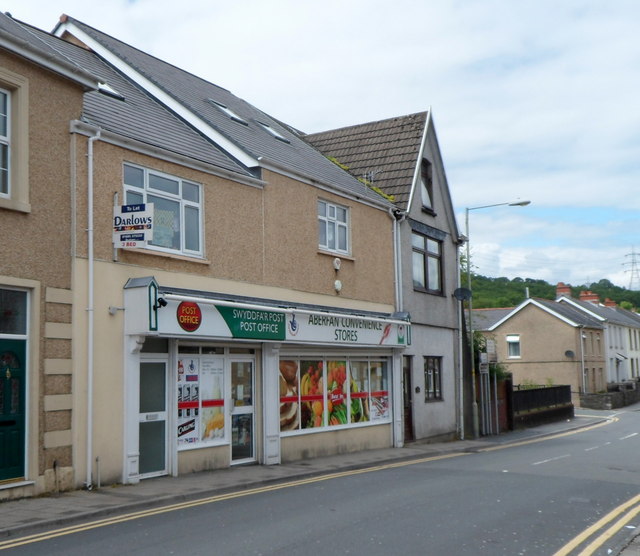
One Circle K vendor in Ohio said she saw expired promotions on candy and energy drinks — signs that pricing was mislabeled or not updated.
North Carolina inspectors only conduct in-store pricing checks when a complaint is made. This means many errors go uncaught until customers report them.
Limitations and Open Questions
The investigation does not cover all stores or all products. It focuses on a subset of locations and time periods.
Circle K and 7-Eleven declined interviews and did not provide detailed responses. Their statements emphasize compliance and customer satisfaction but do not address the frequency or scale of errors.
There is no federal law requiring retailers to match shelf and register prices. Enforcement relies on state-level inspections and consumer complaints.
What to Watch Next
Regulatory bodies may increase oversight of pricing accuracy in convenience stores. Consumer advocacy groups could push for more transparency or audits.
Further reporting may examine how overcharging affects low-income households or those relying on convenience stores for essential goods.
For more on consumer pricing issues in the U.S., see Texas consumer complaints and U.S.-Mexico border retail trends.
Sources & further reading
AI-generated illustration.