A clinical trial in India found that core exercises—like abdominal bracing, glute bridges, forearm planks, heel taps, and dead bug movements—improve knee osteoarthritis symptoms more than traditional joint-focused rehab.
What the Study Found
The trial involved 100 participants aged 40 to 80 with mild to moderate knee osteoarthritis. It used rigorous methods to measure pain reduction and physical function over 12 weeks.
Half the group did conventional rehab: 45 minutes of supervised exercise three times a week for four weeks. This included straight-leg raises and quadriceps strengthening to improve joint range of motion.
The other half did the same knee exercises plus a core stability program. This included progressive moves like abdominal bracing, glute bridges, forearm planks, lying arm raises, heel taps, and alternating arm-and-leg motions like dead bugs.
After 12 weeks, both groups saw reduced resting pain. The core group improved more in daily mobility, walking, and stair climbing. They also reported less pain during movement and better quality of life.
How Core Training Might Help
The researchers don’t know the exact reason for the benefits. They suggest better posture control during movement helps stabilize the core.
A stable core keeps the pelvis and spine aligned during standing or walking. This spreads forces evenly across the trunk and limbs instead of pushing through the knee joint.
With better movement patterns, the knee faces less repetitive stress. This may reduce pain and make movement more efficient for people with osteoarthritis.
Support from Other Research
A 2021 review found that core training may help knee pain, but it hasn’t been included in standard treatment guidelines.
While safe and effective for older adults, core exercises remain underused in osteoarthritis care. The review called for more targeted studies to confirm real-world benefits.
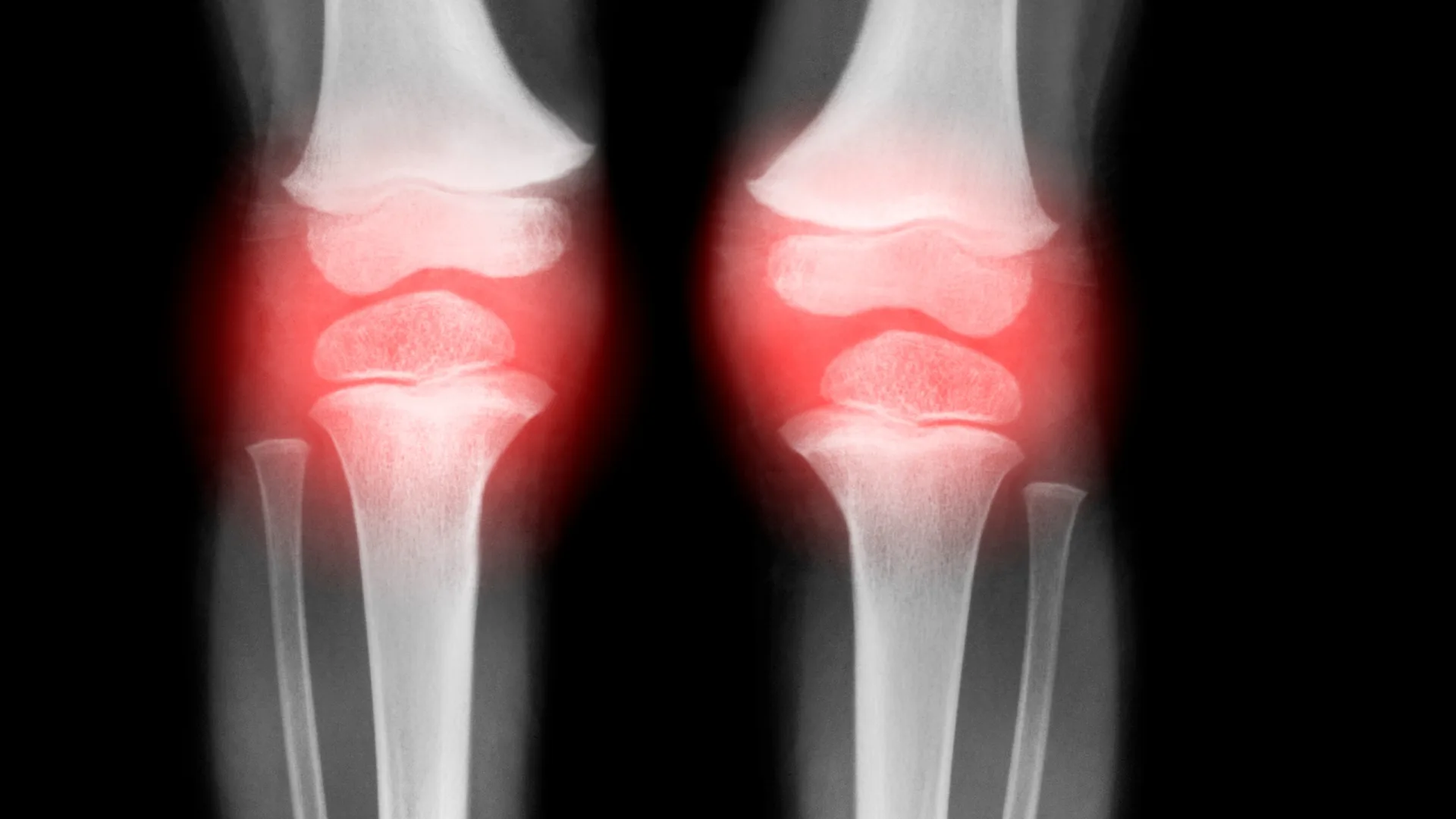
A larger 100-patient study found core training outperformed foot-and-ankle strengthening in reducing pain and improving function, especially in older adults with moderate joint degeneration.
Why This Matters
Traditional osteoarthritis care often focuses only on the joint. This trial shows a whole-body approach may work better.
A strong core acts as a stable base for movement. It reduces compensatory motions that strain the knees. This challenges the idea of isolating joint exercises and supports broader rehabilitation.
Limitations and Open Questions
The study was small and focused on older adults in one region. Results may not apply to younger people or those with severe osteoarthritis.
Core training does not stop cartilage degeneration. Its benefits are limited to symptom relief—less pain, better function—not disease slowing.
The exact biomechanical links between core strength and knee health are still unclear. Larger, long-term trials are needed to confirm these results and make core training a standard part of care.
What to Watch Next
More randomized trials are expected soon. These may include larger groups, wider age ranges, and longer follow-ups to test how long benefits last.
As evidence grows, physical therapists may add core exercises to standard osteoarthritis programs. Patients with knee pain should discuss core training with their therapists—especially if they already do joint-specific workouts.
The research has been published in Scientific Reports.
This article was fact-checked by Rebecca Dyer and edited by Rebecca Dyer. While we pride ourselves on our process, we are only human. If you spot a mistake, please let us know.
Sources & further reading
Featured image: One Type of Exercise Could Be an Overlooked Treatment For Knee Osteoarthritis, Clinical Trial Finds. Via original publisher. Image source