A cyberattack on the Austrian Foreign Ministry has exposed contact details of diplomatic staff, including employees at overseas missions.
What Happened
The breach began when hackers gained unauthorized access to the ministry’s website.
The website is operated by an external service provider. The ministry confirmed the access occurred between November 12 and 13, during a global Microsoft outage.
Attackers viewed records listing names, job titles, and contact details of employees at both the Vienna headquarters and diplomatic posts abroad.
The ministry said no citizen personal data—like addresses or financial records—was accessed or compromised.
Key Facts
- The breach happened through unauthorized access to a public website managed by an external vendor.
- No personal data of citizens was affected.
- The ministry has not revealed how many records were accessed or whether any data was copied.
- The specific vulnerability or attack method remains unknown.
- There is no evidence the attack was state-sponsored or part of a broader campaign.
- The ministry has not named any suspect country or cyber threat group.
Background: How the Incident Unfolds
Government websites don’t store classified data or run critical services. Yet they often hold sensitive personnel information.
In diplomatic settings, staff details reveal communication networks and operational workflows.
For example, an attacker could use a foreign policy advisor’s name and email to send a phishing message that looks like it came from a trusted source. Such messages are more likely to be opened or acted upon.
The breach coincided with a global Microsoft outage. During such outages, systems may use temporary configurations. These could create brief access windows. But the ministry has not said the outage was used to gain entry.
Historically, the ministry has faced repeated cyber incidents. A major attack lasted from early 2020 to February. In April 2022, phishing campaigns targeted ministry staff. These past events suggest ongoing exposure risks.
Why It Matters
Public websites may not hold classified data. But they can still expose information used in targeted attacks.
Outsourcing website operations does not remove security responsibility. The ministry’s use of an external vendor shows a need for stronger oversight.
Public institutions must verify their vendors’ security practices. This includes access controls, logging, incident response, and regular audits.
Names and professional emails may seem low-risk. But they can be used to build convincing phishing campaigns or identify key personnel.
Limitations and Open Questions
Key details remain missing. The number of records accessed, whether data was copied, and the attack method are all unknown.
Attribution is unresolved. No nation or group has been named. No forensic evidence supports claims of state involvement.
Russia has consistently denied Western allegations of hacking the ministry, including in late 2019 and early 2020.
As a result, Moscow expelled an Austrian trade delegate from its embassy in Russia. This reflects growing diplomatic tensions.
What to Watch Next
The ministry will likely conduct a full review of its digital systems and vendor contracts.
Other governments using third-party providers may face increased scrutiny. Regulatory bodies could use this case to push for clearer standards on data protection and vendor accountability.
Security researchers may analyze the breach to check for similar risks in other public institutions. This could lead to broader policy discussions on digital exposure in government operations.
While public services were not disrupted and citizen data was not affected, the potential for staff data to be used in targeted attacks remains serious.
For a case involving a medical data breach, see Quest Diagnostics Confirms Patient Data Breach in Lab System.
Further details are available at the original source: Cyberattack on Austrian Foreign Ministry Exposes Diplomatic Staff Data.
For context on the Microsoft outage, see Microsoft Cloud Outage.
For the official statement, see Reuters Report.
Sources & further reading
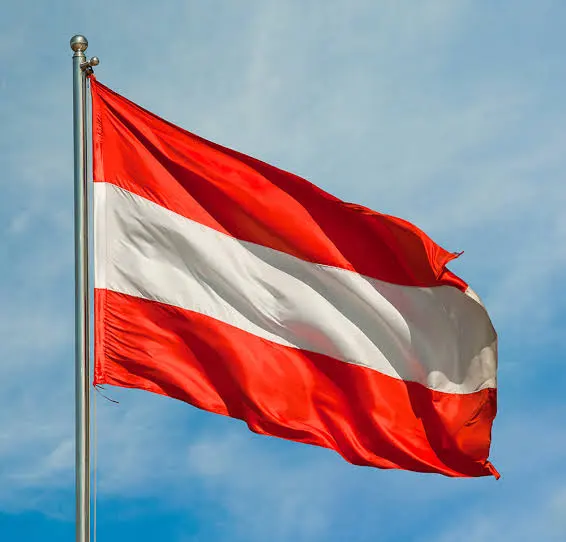
Featured image: Austria Flag. Via original publisher. Image source