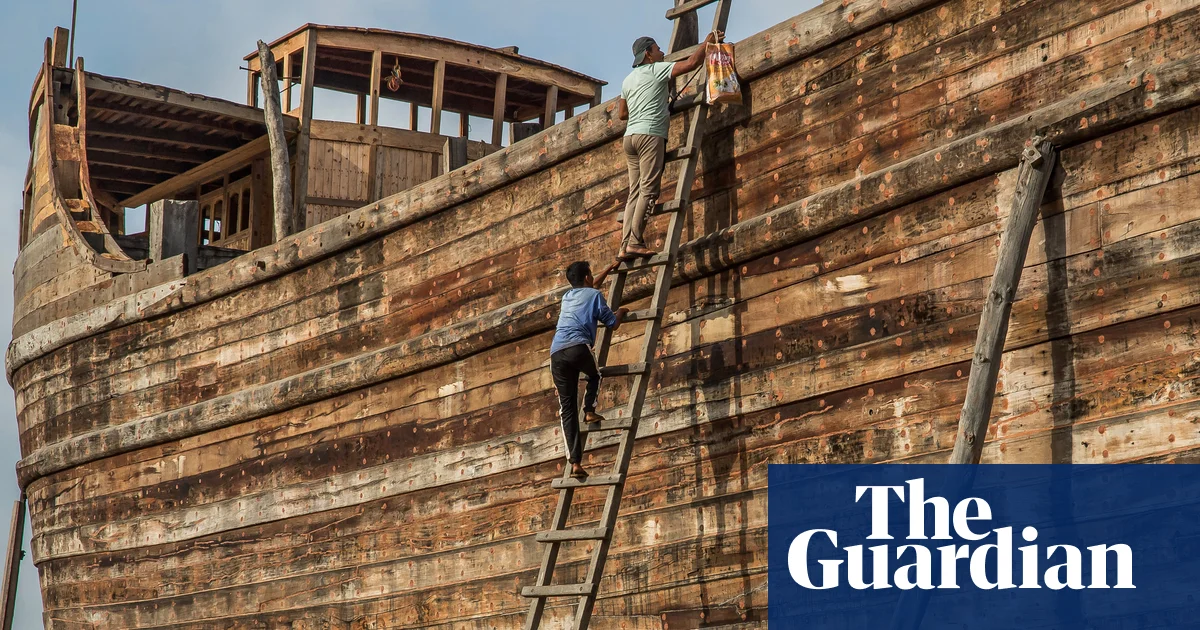
Mandvi, a coastal town in Gujarat, India, is home to a centuries-old tradition of building large dhow ships by hand. These vessels, crafted from teak wood, are still constructed in local shipyards, preserving a craft that dates back to the 16th century.
Historical Roots of Shipbuilding in Mandvi
Mandvi was founded by the rulers of the Kutch kingdom in the 1500s. Its location at the estuary of the Rukmavati River gave it a strategic advantage for maritime trade.
Monsoon wind navigation allowed ships to sail efficiently between India, the Arabian Peninsula, and East Africa. The port became a hub for trade, exporting cotton textiles, indigo, cereals, and handicrafts.
Imports included dates, pearls, Arabian horses, and luxury goods. This trade network made Mandvi a key player in the Indian Ocean economy.
The Craft of Dhow Building
Each dhow takes several years to build. The process involves about 25 skilled craftsmen working in teams.
Shipbuilders operate without written blueprints. The master shipwright, or mistri, designs boats based on memory and tradition. A key element is the stemson, a timber piece carved from teak at the bow of the boat.
Apprenticeships begin in adolescence. The trade is passed down through families, with workers from diverse religious backgrounds—both Muslim and Hindu—working side by side.
Economic and Social Shifts
From the 19th century, Mandvi began to decline. Steamships and modern port infrastructure shifted trade to larger, better-equipped ports like Mumbai.
After India’s independence in 1947, the nearby port of Kandla was established. It absorbed most of Mandvi’s commercial activity, effectively marginalising the town.
The 2001 earthquake in Kutch damaged historic buildings and accelerated urban transformation. Many traditional structures were lost or repurposed.
Enduring Tradition in a Changing World
Today, Mandvi’s shipyards remain active, though on a smaller scale. The craft is now part of a cultural heritage, not just an economic activity.
While the city has seen decline in trade, the shipbuilding tradition continues. It reflects a deep-rooted connection between community, craftsmanship, and maritime history.
The work is both technical and cultural. Each boat is a product of generations of knowledge, passed through hands and families.
Despite modern challenges, the dhow builders of Mandvi represent a living link to India’s maritime past. Their work is a testament to resilience and continuity in a rapidly changing world.
Photos by Frédéric Noy, from the Guardian article The Guardian.
Sources & further reading
Featured image: original publisher image. Via original publisher. Image source