Dmitri Kasterine, a renowned portrait photographer, has died at the age of 94. His work captured the humanity of prominent figures from literature, film, and politics, including Queen Elizabeth II, Tom Stoppard, and Jean-Michel Basquiat. His photographs are not merely images of public figures, but intimate glimpses into their inner lives—moments of vulnerability, hesitation, and quiet authenticity that reveal the emotional depth beneath formal appearances. Source: theguardian.com.
Early Life and Influences
His father, Nicolas Kasterine, served in the Russian Imperial Guard and was aide-de-camp to Grand Duke Dmitri Pavlovich, who was involved in the assassination of Grigori Rasputin. After the 1917 revolution, Nicolas escaped Russia via Finland, bringing with him a large uncut diamond. He sold it in London to buy a suit and a sports car. There, he married Katherine White, daughter of an insurance broker.
The family lived in Kemsing until 1935, when the parents divorced. Katherine took her two children—Dmitri and his elder sister Irina—to live in Westerham, Kent. During the Second World War, Westerham was frequently bombed. On Dmitri’s eighth birthday, bombs fell close enough to damage the house. After the raids ended, his mother set up a bird table outside the kitchen window.
Dmitri wanted to photograph the birds. His mother bought him a camera. He built a dark room and developed film. When he saw the birds as pinpricks in the frame, he cried. Undeterred, he moved on to photographing cows in the fields, achieving excellent results. This early experience with photography—marked by both technical learning and emotional response—laid the foundation for his lifelong commitment to capturing human truth through image.
Education and Early Career
After the war, Dmitri attended Radley College in Oxfordshire until 1950. During this time, he learned of his mother’s death in a riding accident in 1948, when he was 15. The loss deeply affected him and shaped his sensitivity to human suffering and resilience.
Following Radley, he briefly worked as a wine merchant and then at Lloyd’s of London. He inherited a passion for fast cars from his father. In 1956, while driving a Lotus-Bristol racing car at the Aintree International meeting, Kasterine suffered a serious crash. The car overturned and crashed through the safety barrier. He was hospitalized and recovered.
A friend visited during his recovery and suggested he take up flying. Kasterine began flying and worked as a commercial pilot, flying to Australia. On a stopover in Karachi, he photographed a young thoroughbred breaking in. The image pleased him. Fearing flying, he decided to pursue photography professionally. This pivotal moment marked the beginning of a lifelong vocation rooted in both technical skill and emotional connection to his subjects.
Photography Career Begins
From 1961, Kasterine shared a studio in London with photographer Michael Wallis. Wallis mentored both Kasterine and their dark-room assistant, Patrick Lichfield. Kasterine began hustling for work with magazines. He sought out public figures to request portraits. His career took off, building a reputation for capturing individuals in unguarded, natural moments.
In 1963, he heard that Stanley Kubrick was filming Dr Strangelove in London. As a fan, he approached the editor of Queen magazine and pitched a feature on Kubrick at work. Kubrick noticed him on set and said: ‘Would you like to come and work for me? You stand in the right place.’
Kasterine worked for Kubrick from 1963 to 1971. He took stills for Dr Strangelove, 2001: A Space Odyssey, and A Clockwork Orange. Kubrick taught him the importance of courage, patience, and perseverance—qualities that would become central to his own photographic philosophy. These lessons were not just about technical execution but about the emotional endurance required to remain present in the moment, to observe without judgment.
Style and Approach
Kasterine developed a distinctive style focused on revealing authenticity. He avoided conventional portraits and discouraged subjects from putting on a polite face. He used his gentlemanly charm and elegance to put subjects at ease. Then, he would pretend to adjust his equipment, ignore them, and attempt to catch them off guard.
This approach revealed vulnerability in Dirk Bogarde, discomfort in Samuel Beckett, and boredom in Muriel Spark. In an interview with reporter Bradley Towle, Kasterine said: ‘I look for something that gives me a shock. It could be what they’re wearing; it could be the background. It could be just an expression. I don’t really look for it, it comes to me.’ This philosophy reflects a deep belief that true human expression emerges not in posed gestures, but in the subtle, unguarded moments of daily life.
Portraits of the Literary and Art World
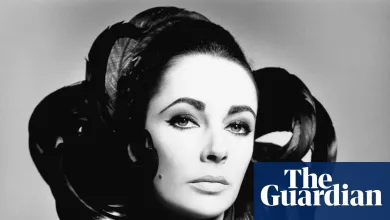
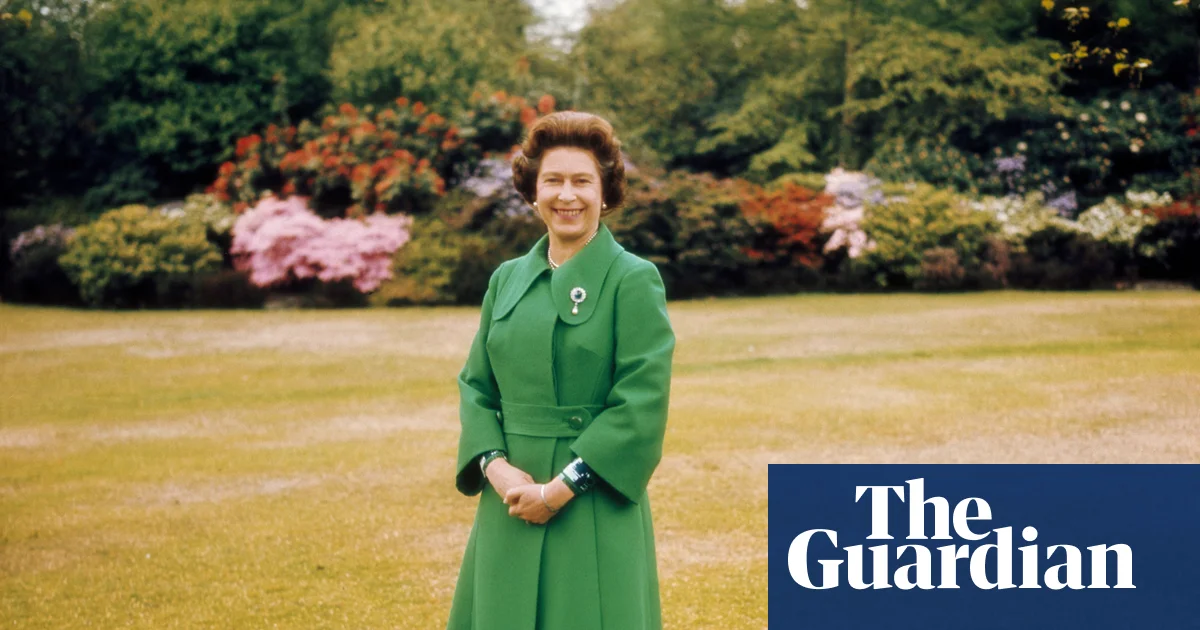
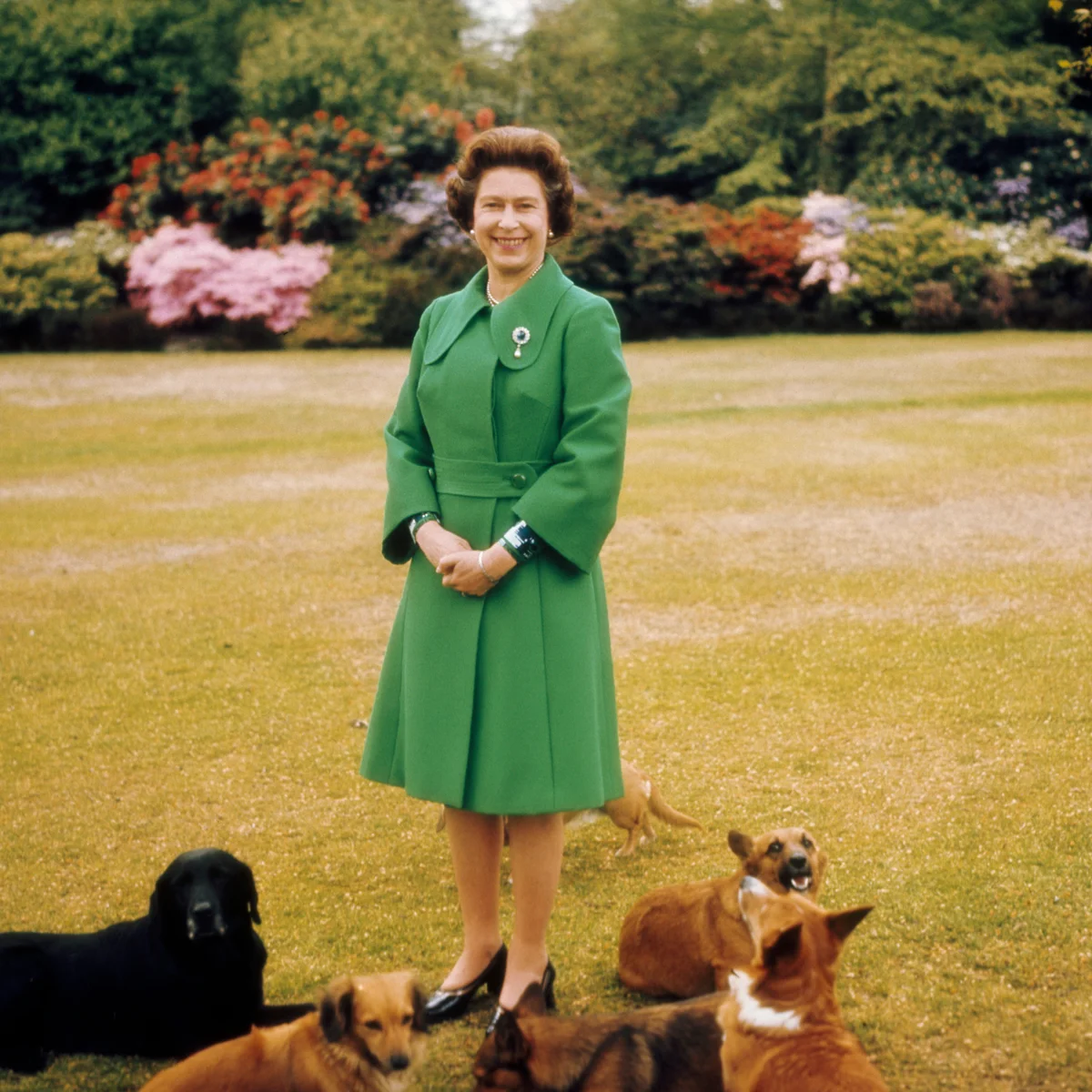
After working with Kubrick, Kasterine photographed James Baldwin, Michael Caine, Patricia Highsmith, Martin and Kingsley Amis, Tom Stoppard, and Queen Elizabeth II. His work appeared in Harpers & Queen, Vogue, the BBC’s Radio Times, and the Daily Telegraph. These portraits were not merely formal representations—they were explorations of identity, personality, and inner life, often capturing the subjects in moments of quiet introspection or personal reflection.
Move to New York and Focus on Newburgh
Having visited New York in 1975 to photograph Mick Jagger, Kasterine moved to the city in 1984. He photographed art-world figures such as Jean-Michel Basquiat, Roy Lichtenstein, and Cindy Sherman. He also worked on commissions for the Sunday New York Times. The city, with its vibrant cultural energy and complex social dynamics, became a new canvas for his artistic vision.
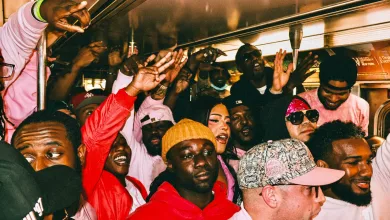
By the 1990s, Newburgh, New York—on the Hudson River—had become blighted by recession, corruption, and racism. It had once been named an All American City by Look magazine in 1952. From 1996 to 2018, Kasterine undertook a personal project to document the city and its predominantly Black community. He saw in the ruins and faces a sense of warmth, beauty, and determination to change.
In his 2012 book, Newburgh: Portrait of a City, he wrote: ‘This is a record of uncelebrated and ignored people … But in the ruins of the buildings and in the faces of the people I see warmth and beauty, and in some of the faces a determination to change things.’ Three years later, he filmed a documentary titled Newburgh: Beauty and Tragedy. The city embraced his work. From 2012 to 2026, 44 of his portraits were mounted on the exterior of the Ritz theatre in Newburgh, transforming a public space into a gallery of human dignity.
Legacy and Recognition
Kasterine’s photographs are held by the Royal Collection Trust, the National Portrait Gallery in London, and the Smithsonian Institution’s National Portrait Gallery in Washington DC. These institutions recognize his contribution to the visual documentation of human experience.
In 2021, he published Who How When Where, a collection of his work. In a conversation with Bradley Towle, he said: ‘I am still always on the lookout … It’s very difficult to explain exactly why and wherefore I take a picture, but it’s a silence; it’s a tap on the shoulder.’ This sentiment captures the essence of his work—his ability to perceive the unseen, to sense the emotional undercurrents that define human connection.
He is survived by his second wife, Caroline (née Cristofalo), their son Nicholas, and children Alexander and Cathy from his 1963 marriage to Elizabeth Dickson. He also had a daughter, Lucie, from a relationship with Frances Pemberton. He had six grandchildren. Kasterine’s life and work reflect a deep commitment to capturing human dignity—both in the celebrated and the overlooked.
Sources & further reading
Featured image: original publisher image. Via original publisher. Image source