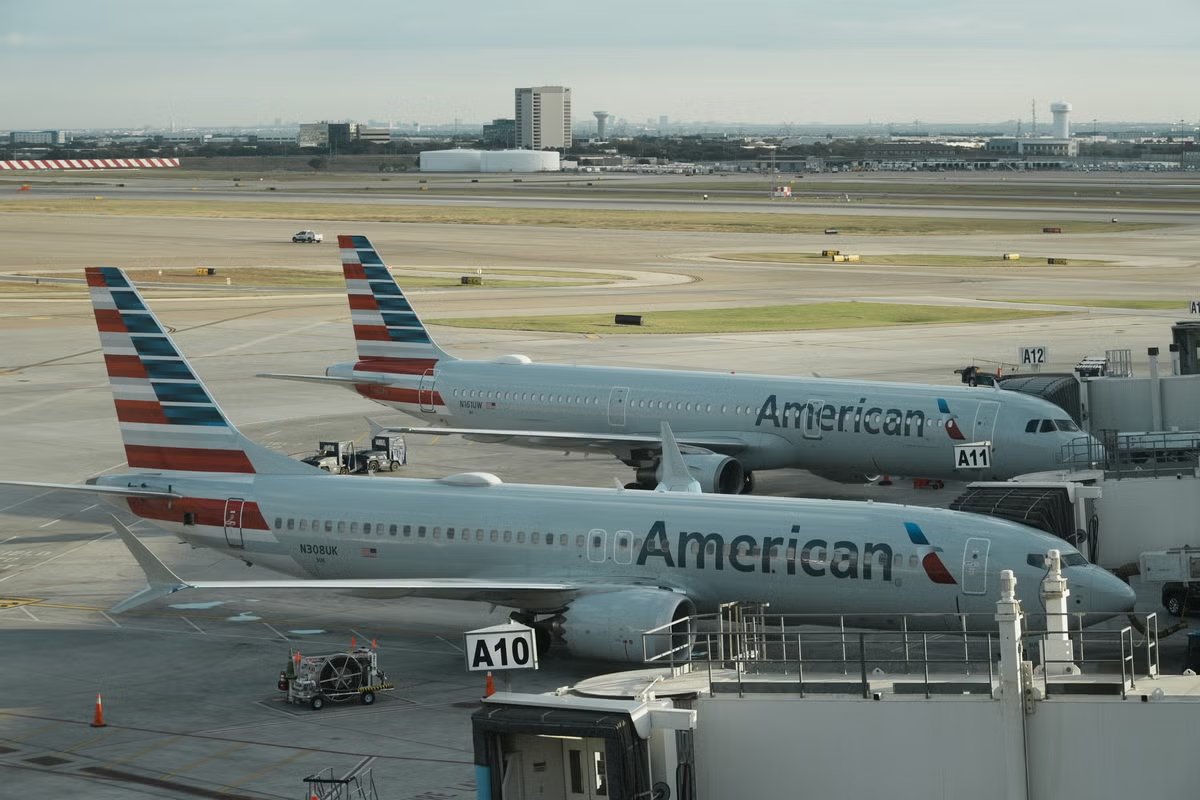
Two American Airlines planes at Ronald Reagan Washington National Airport clipped wings on the tarmac on Friday. Source: independent.co.uk.
What Happened
The incident occurred during taxi operations on the airport’s runway area.
One aircraft was preparing for takeoff to Dallas. The second was the next in line on the tarmac.
According to air traffic control audio, a controller instructed the first plane to hold short of a designated runway line.
A pilot responded that the aircraft was slightly past that line and noted a paint swap with the plane behind them.
Another controller asked if the company thought they had clipped the next aircraft.
One pilot confirmed: "Oh yeah, we got clipped."
Audio from the incident indicates a winglet — the outermost part of a wing — broke off one of the planes.
Key Facts
- Two American Airlines aircraft were involved.
- No injuries were reported.
- The incident took place on Friday at Reagan National Airport.
- One winglet on a plane was damaged during the event.
- Both planes were removed from service for inspection.
Background: How Airports Handle Taxiing
At airports, aircraft move on tarmac using taxi routes to reach runways.
Controllers use hold-short lines to manage spacing and prevent collisions.
Wings are designed to withstand normal operational forces, but impacts during taxiing can still cause damage.
Winglets are added to improve aerodynamics and reduce drag, but they are also vulnerable in close proximity events.
Why It Matters
This incident is part of a broader pattern of air traffic challenges in the U.S.
On November 13, a ground stop was imposed due to a router failure in Arkansas, affecting thousands of flights.
Since then, federal officials have called for $50 billion in investment to modernize the national air traffic control system.
Reagan Airport has also been the site of a major aviation tragedy — the 2025 crash of an American Eagle jet and a U.S. Army Black Hawk over the Potomac River, which killed 67 people.
These events highlight ongoing safety and infrastructure concerns in U.S. aviation.
Limitations and Open Questions
The source does not confirm whether the winglet damage was structural or superficial.
There is no public statement from American Airlines about the extent of the damage or repair timeline.
It is unclear if the incident was due to human error, procedural failure, or equipment limitation.
Further investigation by the Federal Aviation Administration is ongoing.
The Independent has reached out to American Airlines for comment, but no response has been provided.
What to Watch Next
Aviation authorities may release a formal report on the incident in the coming weeks.
Regulators could assess whether new taxiing protocols or enhanced monitoring are needed.
Public attention may grow as similar incidents are reported at other airports.
Investigations into the broader air traffic control system remain a priority for federal officials.
Sources & further reading
Featured image: original publisher image. Via original publisher. Image source