
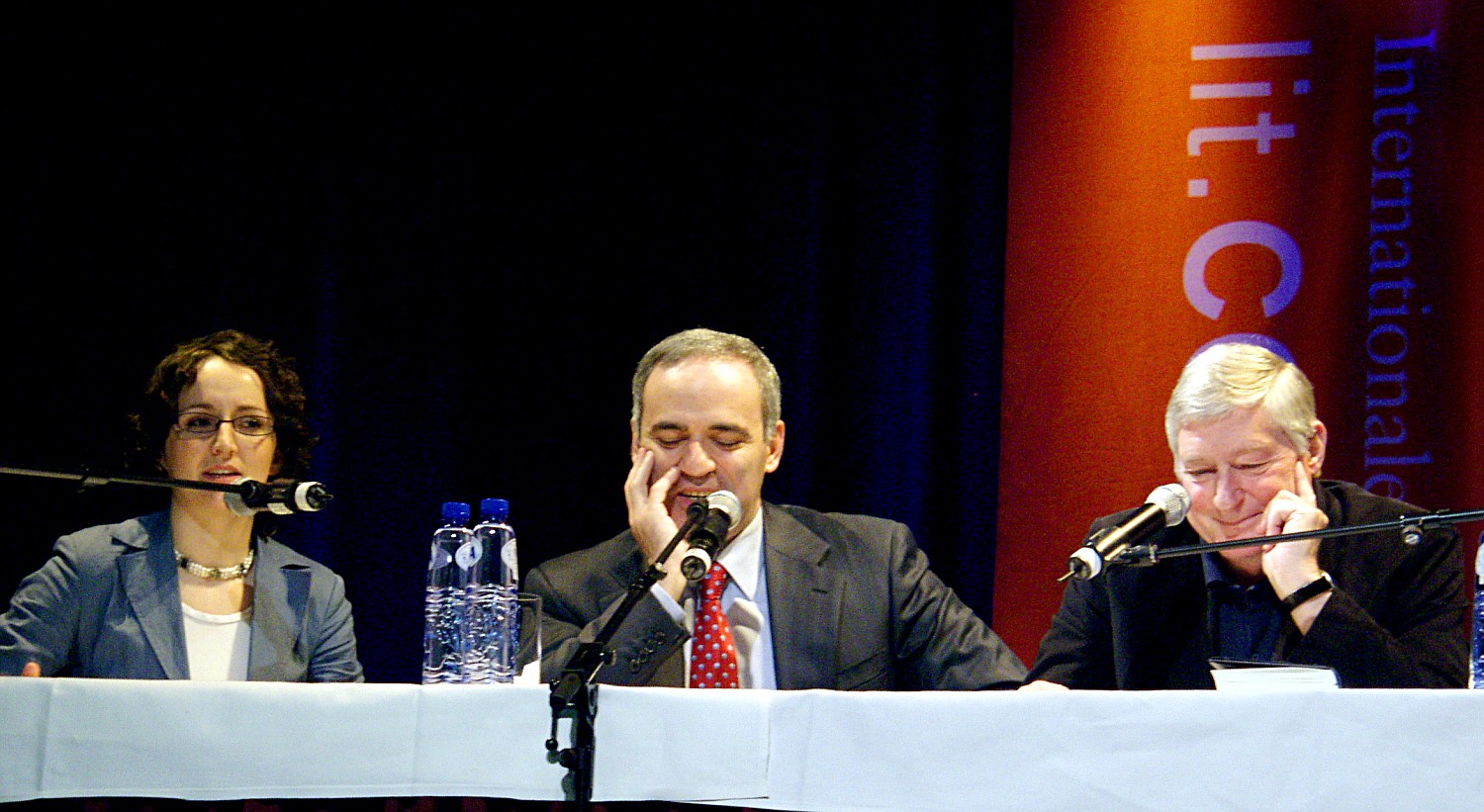
Garry Kasparov has long been more than a chess champion. His induction into the International Sports Hall of Fame’s Class of 2026 marks a pivotal moment in how chess is perceived globally. Source: muscleandfitness.com.
What Happened: A Recognition Beyond the Board
The International Sports Hall of Fame announced its Class of 2026. Kasparov was among the inductees, not for a medal or a brief speech, but for a deeper contribution.
The induction highlights a long-standing debate: is chess a sport?
While traditional sports emphasize physical competition, chess is a mental game. Kasparov’s inclusion signals a shift in how such intellectual pursuits are recognized in formal institutions.
Why This Matters: Reimagining Sports and Minds
By elevating chess, the Hall of Fame acknowledges the value of mental endurance, strategic thinking, and long-term focus.
Kasparov has spent decades demonstrating that intellectual competition demands the same discipline as physical sport. His career includes a legacy of pushing boundaries in both chess and global affairs.
He has also been a vocal advocate for education, democracy, and human rights. His work with organizations like the FIDE and his public statements on global issues show how chess can serve as a bridge for broader societal dialogue.
Background: From Board to Global Impact
Kasparov’s rise began in the 1980s. At a young age, he became a grandmaster. His victory over IBM’s Deep Blue was a landmark moment—symbolizing the clash between human intellect and artificial intelligence.
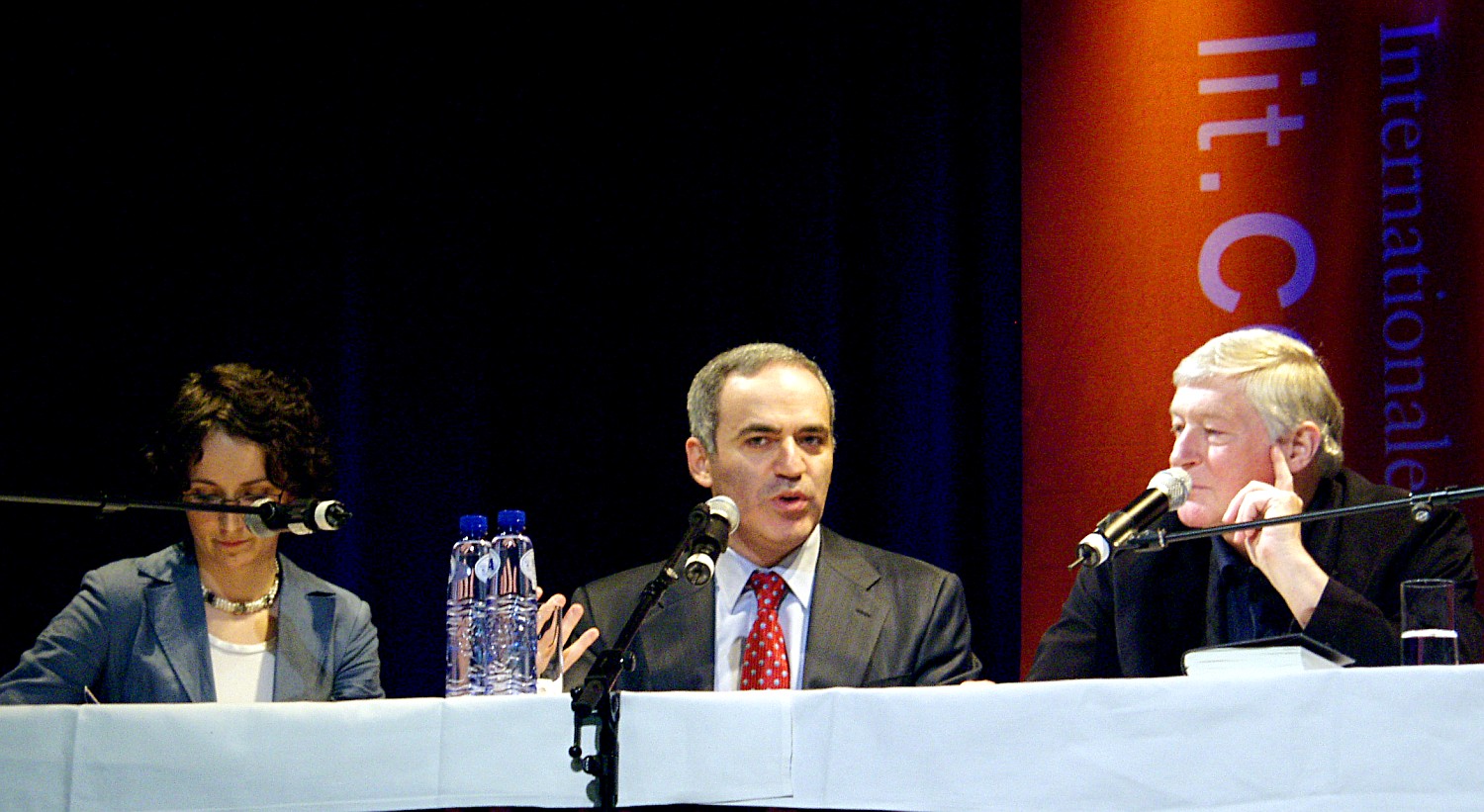
That match, detailed at Wikipedia, was not just about chess. It became a cultural touchstone, raising questions about the limits of machine intelligence and human creativity.
Since then, Kasparov has continued to challenge technology, education systems, and political structures. He has spoken at global forums, supported anti-corruption efforts, and promoted science literacy.
Limitations and Open Questions
Despite the recognition, chess remains a category of debate. Some argue it lacks physical elements, making it ineligible for traditional sports halls.
Others point out that the classification of chess as a sport is not universally accepted. The FIDE—the world chess federation—does not officially label chess as a sport, though it recognizes it as a competitive discipline.
Still, the inclusion of Kasparov in the Hall of Fame suggests a growing cultural acceptance of intellectual pursuits as part of the broader sports ecosystem.
What to Watch Next
Future inductees may reflect broader trends in how societies value mental and digital competencies. As AI and global challenges grow, figures like Kasparov may become even more influential.
His legacy may not end with a trophy. It could extend into how we define success, intelligence, and human potential in the 21st century.
Sources & further reading
Featured image: Garry Kasparov – Klaus Bednarz at lit Cologne 2007 -… by Raimond Spekking, CC BY-SA 4.0, via Wikimedia Commons. Image source · License
