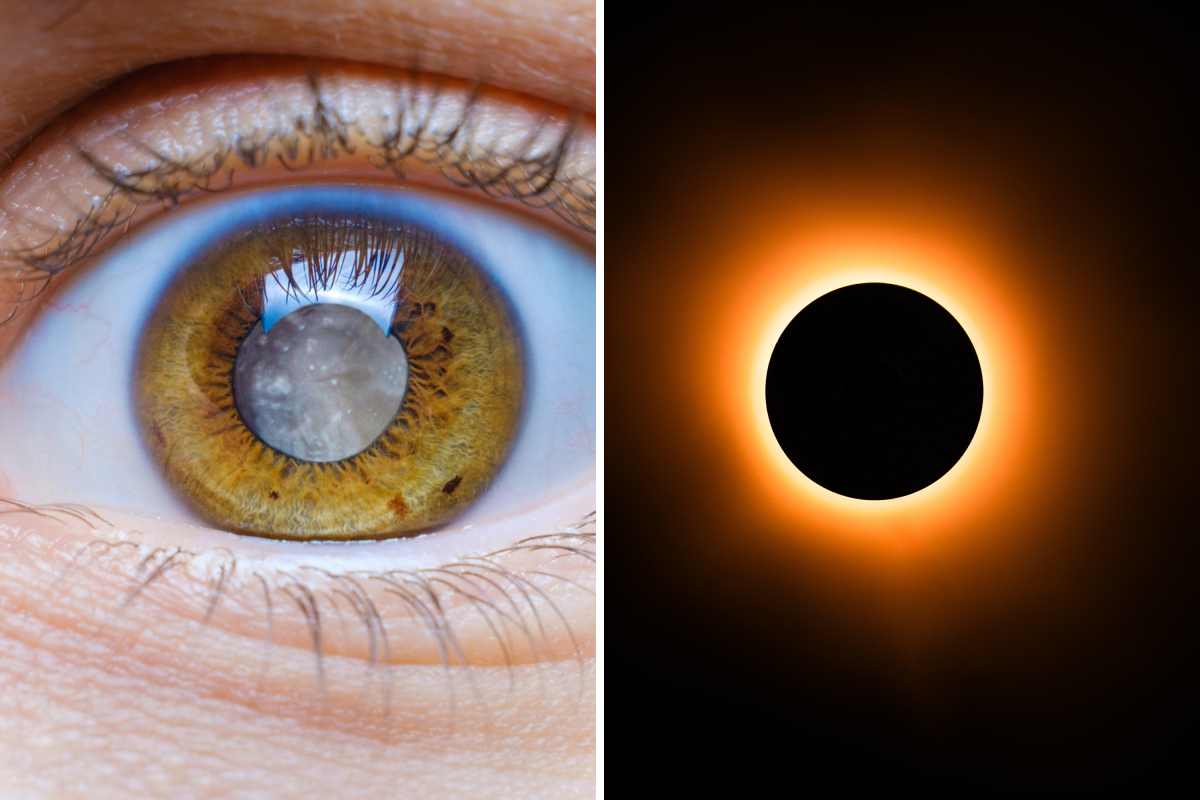
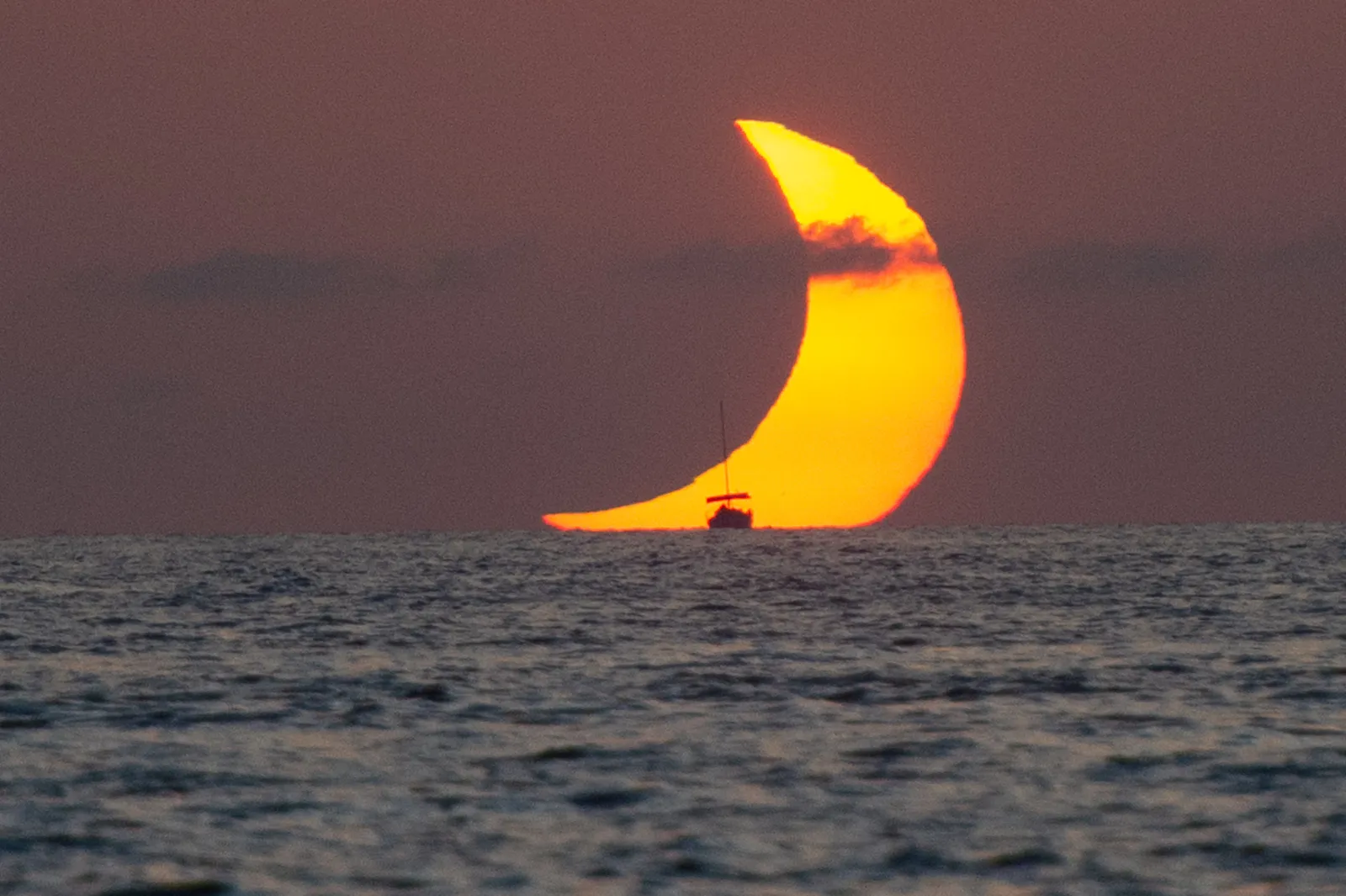
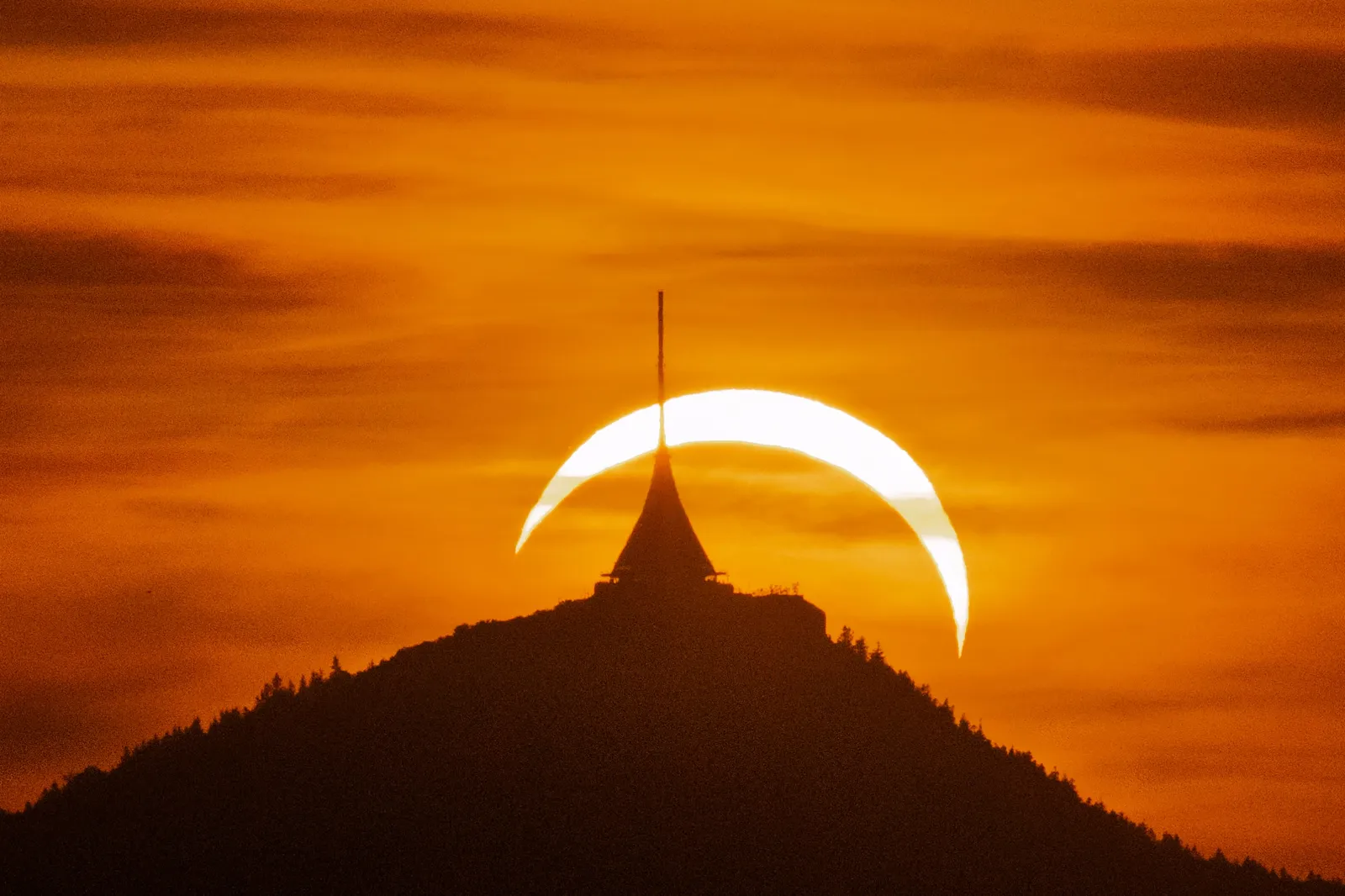
Health experts issued a warning ahead of a solar eclipse that that had millions looking to the sky across Europe on Wednesday, as the alignment of the sun, moon and Earth briefly turned day into night along the path of totality.
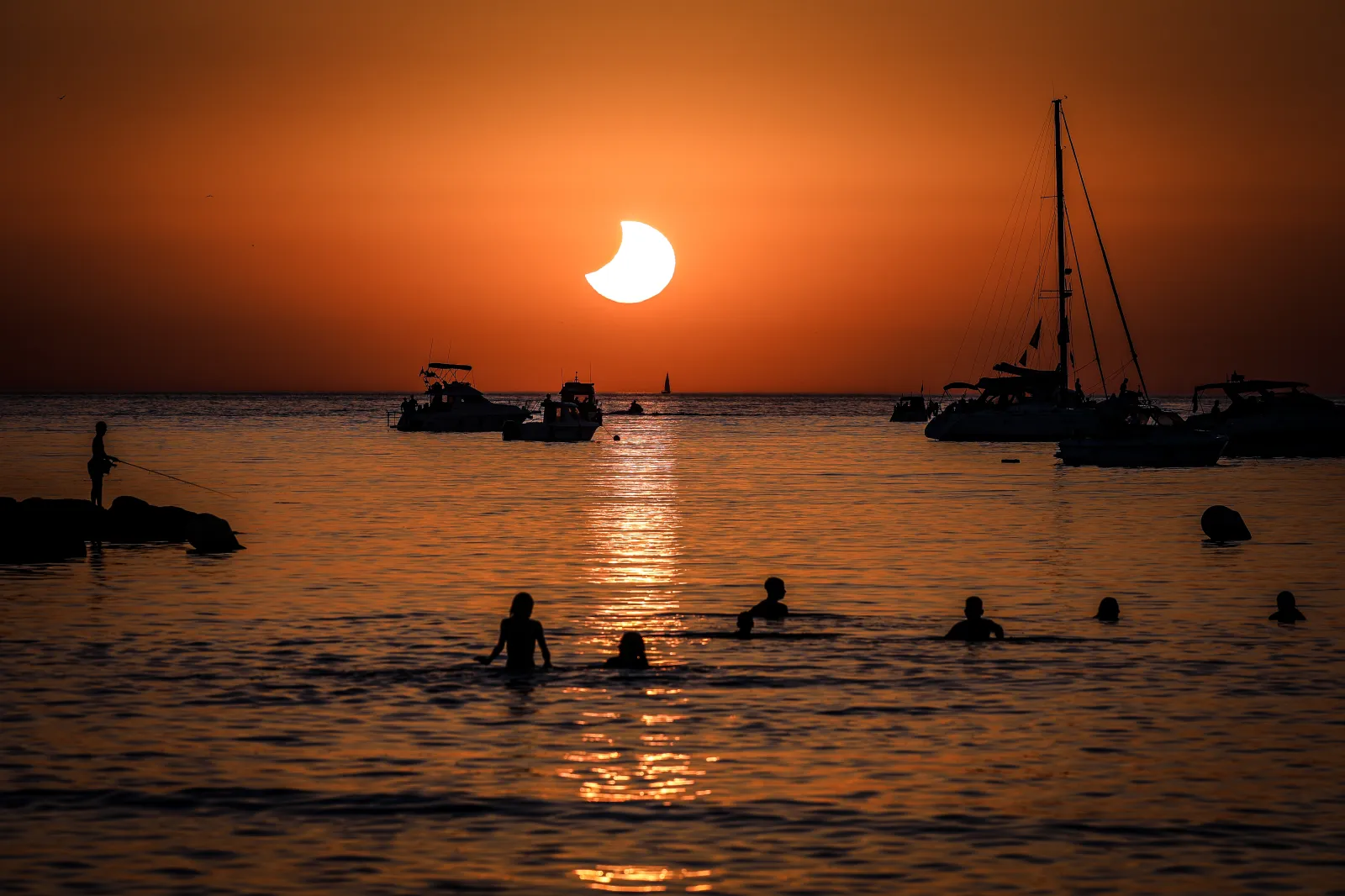
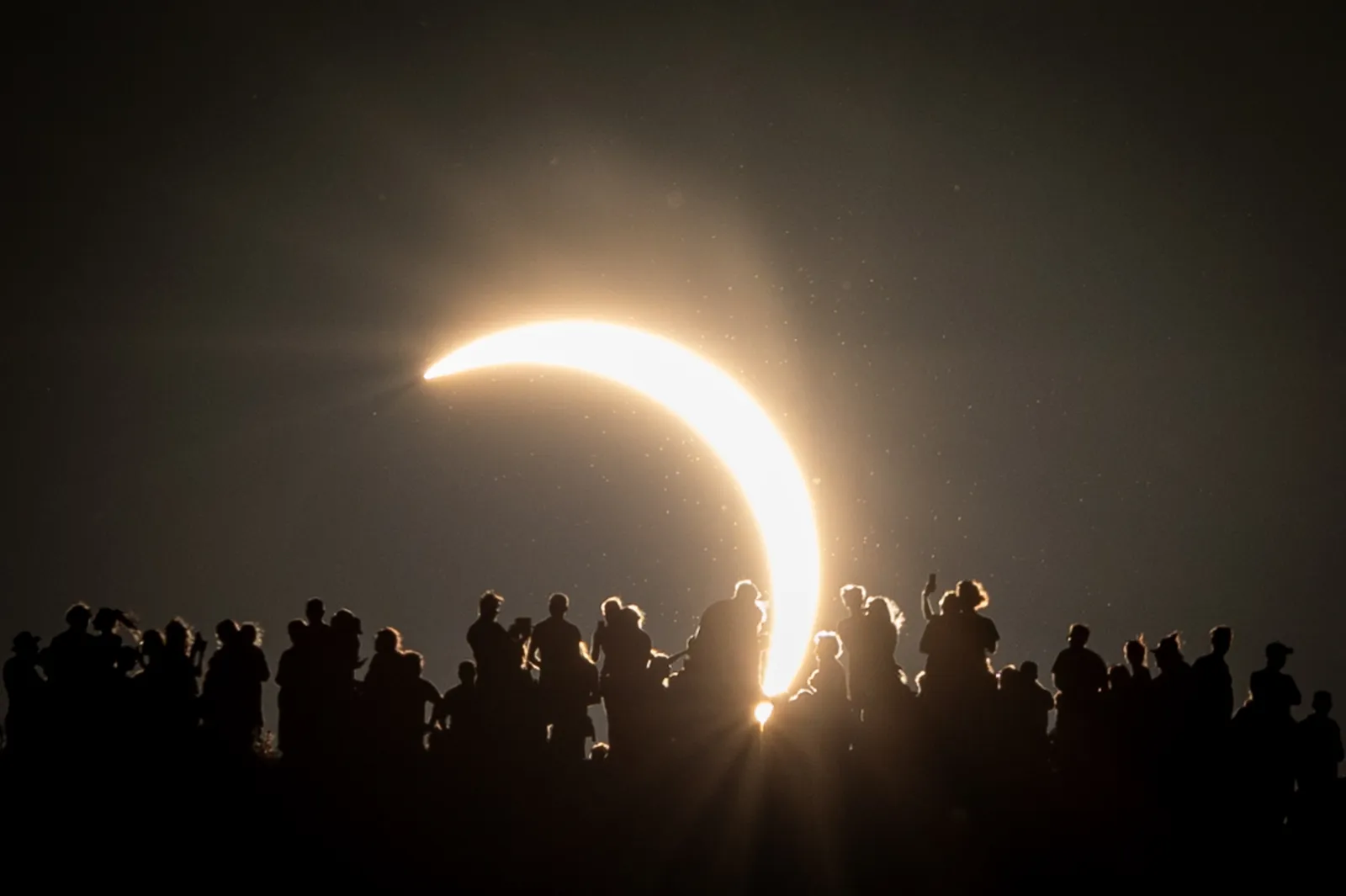
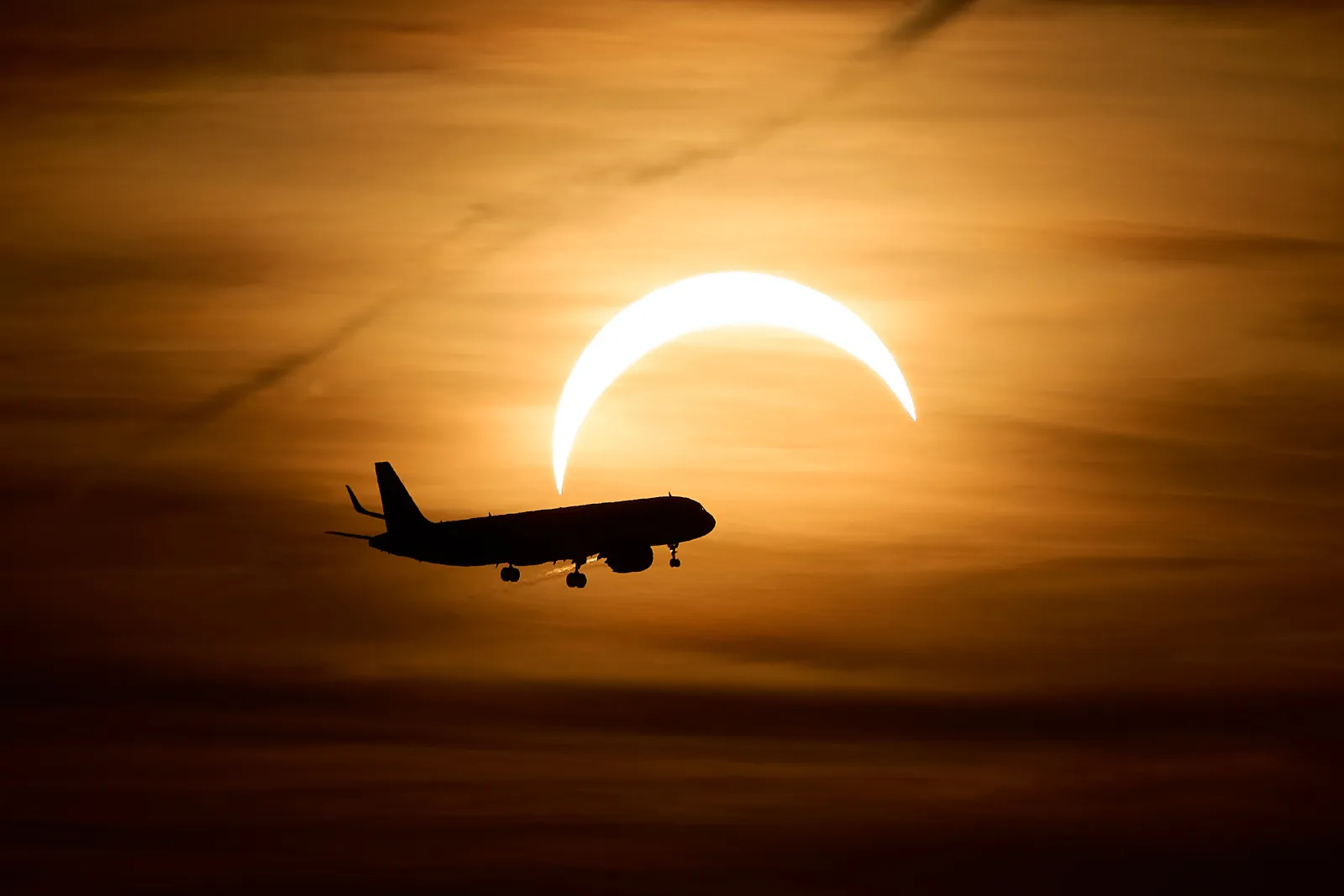
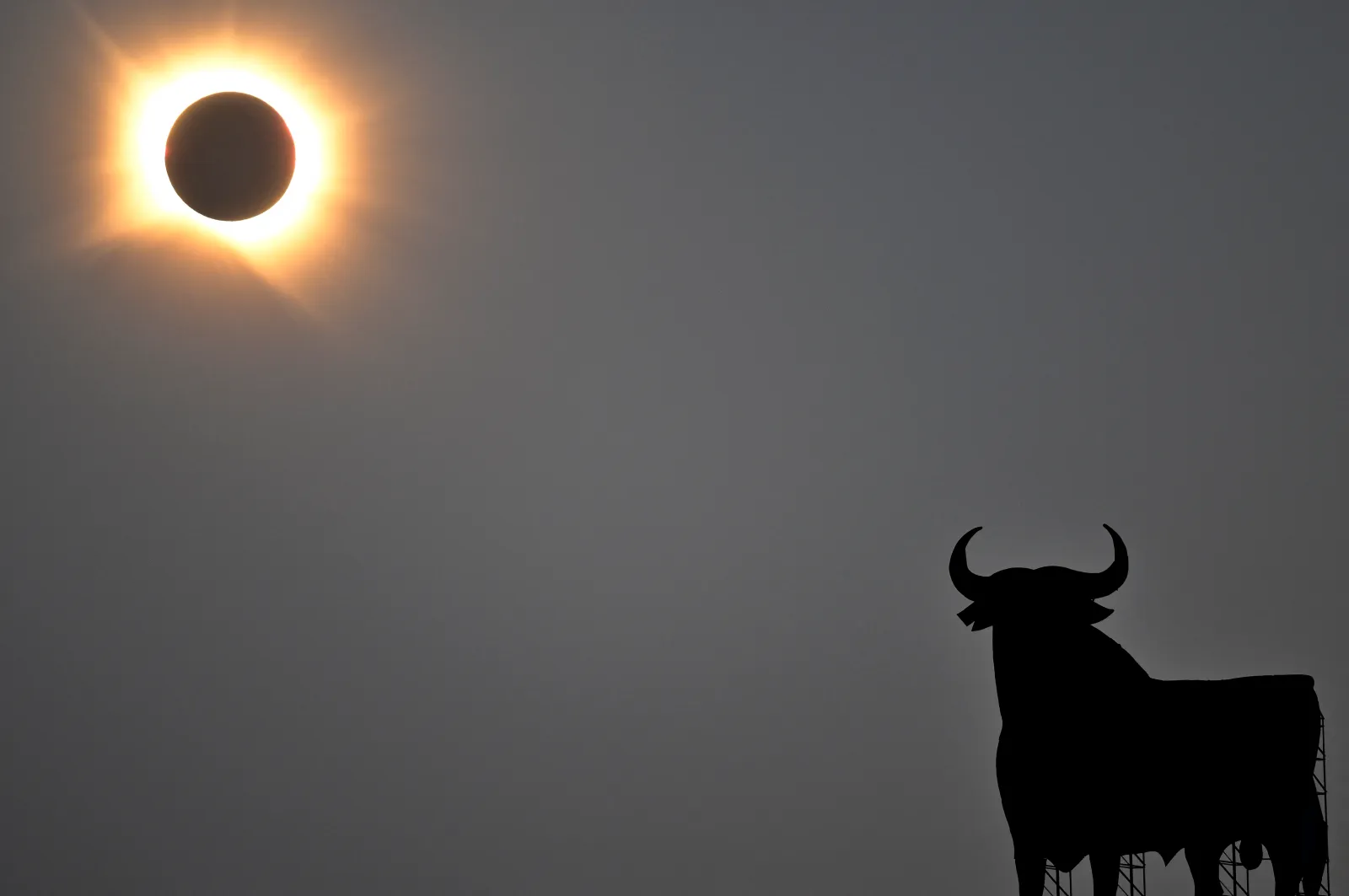
Totality was visible in Spain—the country’s first in more than a century—along with parts of Russia, Greenland, Iceland, and a small corner of Portugal. A partial eclipse was visible across parts of the northern United States, Canada, Europe and northwestern Africa.
…
…
…
…
…
…
…
…
…
…
…
1 of 11
But health experts and space agencies are warning that even a brief glance at the event without proper protection could cause permanent eye damage.
NASA says it is unsafe to look directly at the sun during any partial solar eclipse without specialized eye protection. The agency warns that viewing the eclipse through binoculars, a telescope, a camera lens or other optical devices without the correct solar filters can result in severe eye injury almost instantly because the equipment concentrates the sun’s rays.
Newsweek reached out to the American Society of Retina Specialists via email for comment.
The warning comes as many eclipse viewers ask the same question: If the moon is blocking much of the sun, why can’t people simply look at it?
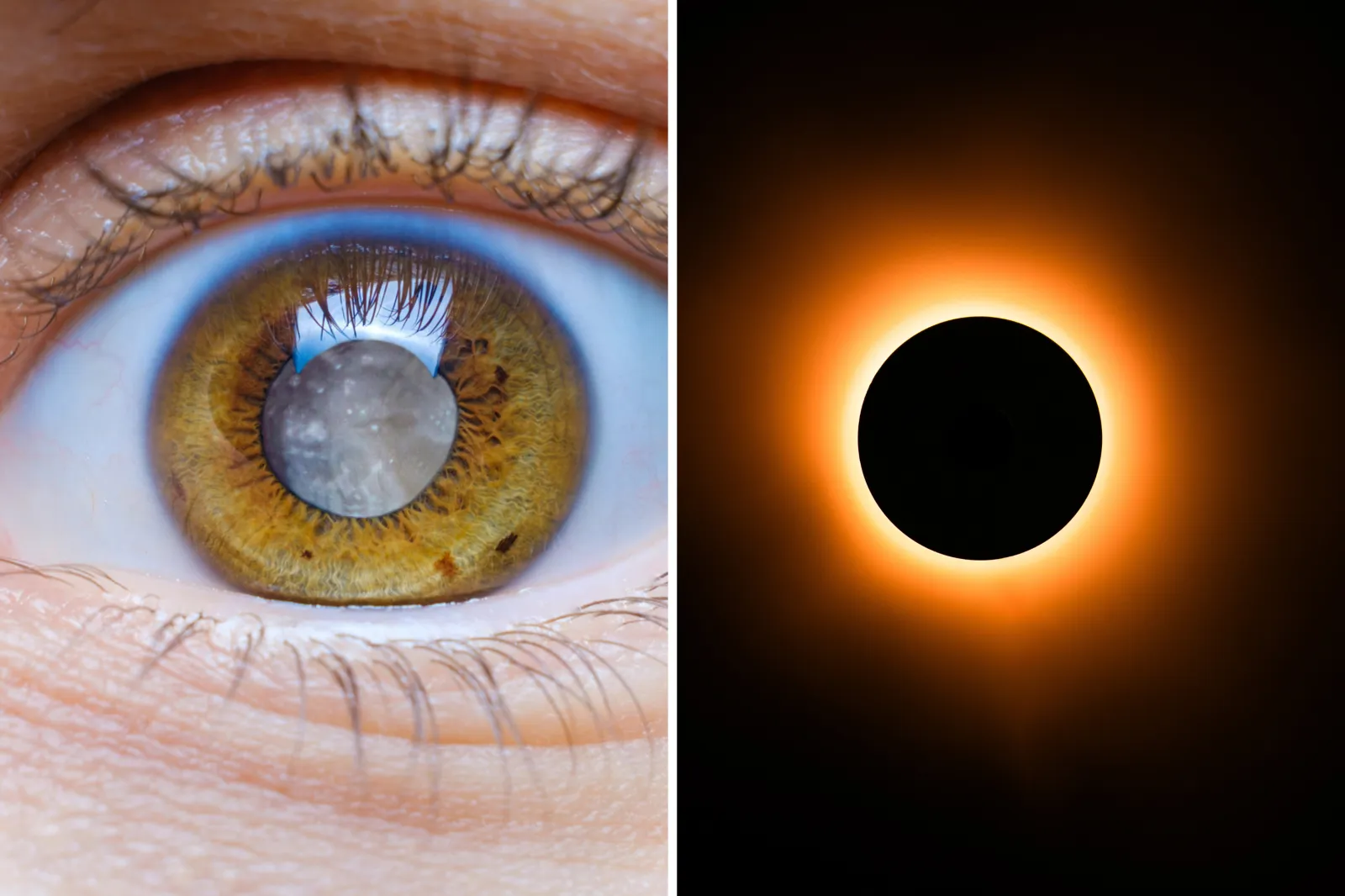
What Happens If You Look at the Solar Eclipse?
The answer, according to ophthalmologists and NASA, is that the sun remains intensely bright even when most of it appears covered. During a partial eclipse, enough visible and infrared radiation still reaches the eye to damage the retina, the light-sensitive tissue at the back of the eye responsible for sharp central vision.
Unlike other parts of the body, the retina contains no pain receptors. That means people can suffer serious injury without feeling it happen. Experts say symptoms may not appear until hours later and can include blurred vision, blind spots, distorted vision and problems distinguishing colors. In severe cases, the damage can be permanent.
Looking at the sun causes thermal damage to the center of the retina, retina specialist Dr. James Major, chair of the American Society of Retina Specialists Communications Committee, told Newsweek. Similar damage can also be caused by a laser pointer, and it can happen “pretty quickly,” Major said, within just seconds of looking at the eclipse.
“Usually, the longer you look at it, the worse it is,” he said.
Effects can be temporary or permanent, and Major urged anyone who has central blurry vision after looking at the eclipse to see a retina specialist.
“There are imaging tests we can do to diagnose this problem, and there are sometimes therapeutic measures we can take to help alleviate the symptoms or alleviate the damage that occurred,” he said.
In some cases, steroids or other eye drops can be prescribed to help alleviate the inflammation that can occur secondary to the damage. It’s possible that over time, the cells will rejuvenate and improve, but Major warned that looking at the sun is “dangerous” and can “lead to permanent sight loss.”
On Wednesday afternoon, the White House shared a photo from August 2017 of President Donald Trump looking skyward with no eye protection during a solar eclipse alongside a repost of NASA’s live eclipse coverage. Many comments pleaded with people to only look at the sun while wearing proper eye protection.
Newsweek reached out to the White House via email for comment.
Health authorities across Europe have also issued warnings ahead of tonight’s event. The UK’s Health Security Agency said the apparent dimming of the sun during an eclipse can override the body’s natural instinct to look away, allowing harmful radiation to reach the retina. The agency warned that permanent damage can occur within seconds and that people may not realize harm is occurring until it is too late.
Where Will Tonight’s Solar Eclipse Be Visible?
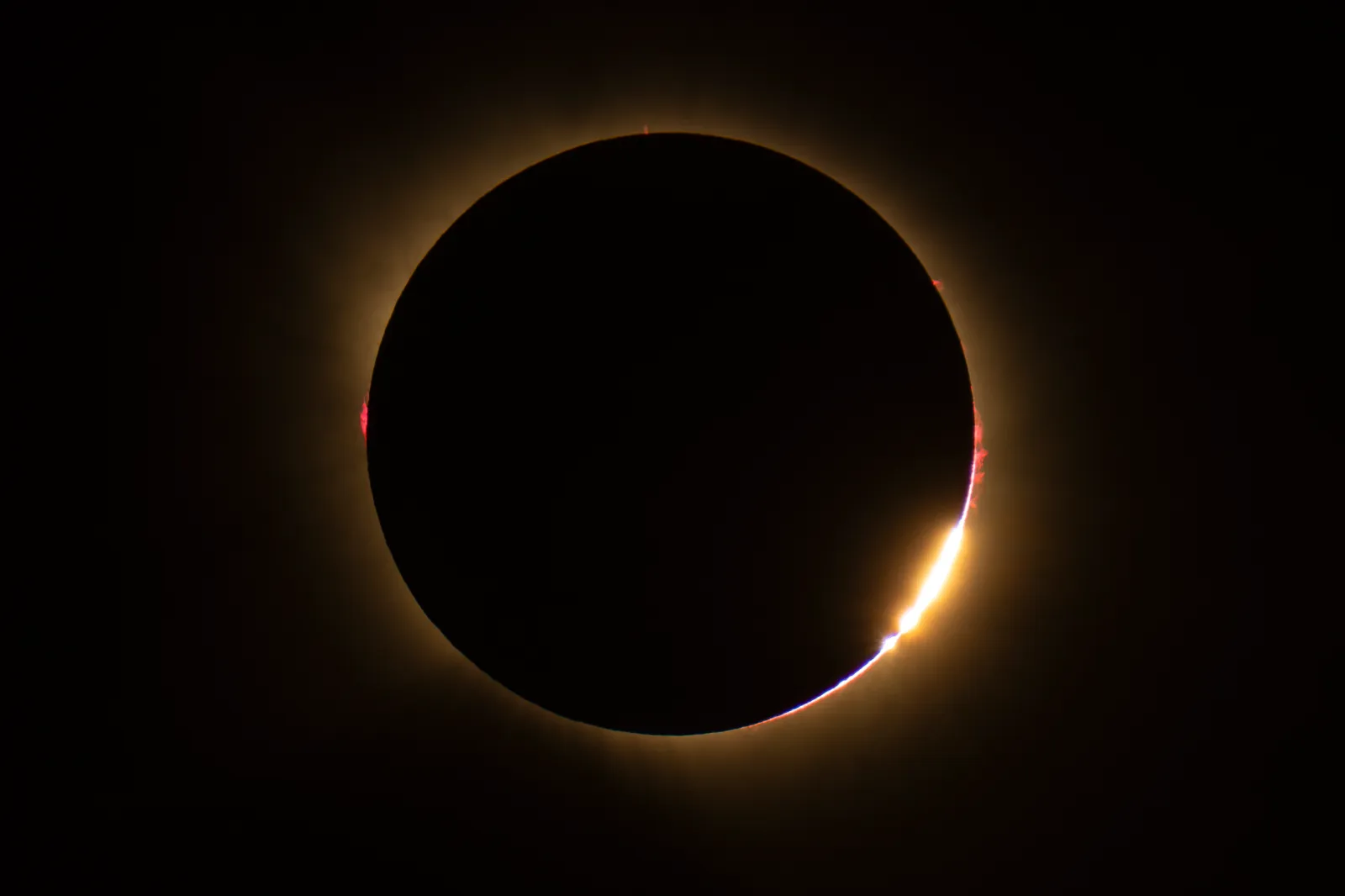
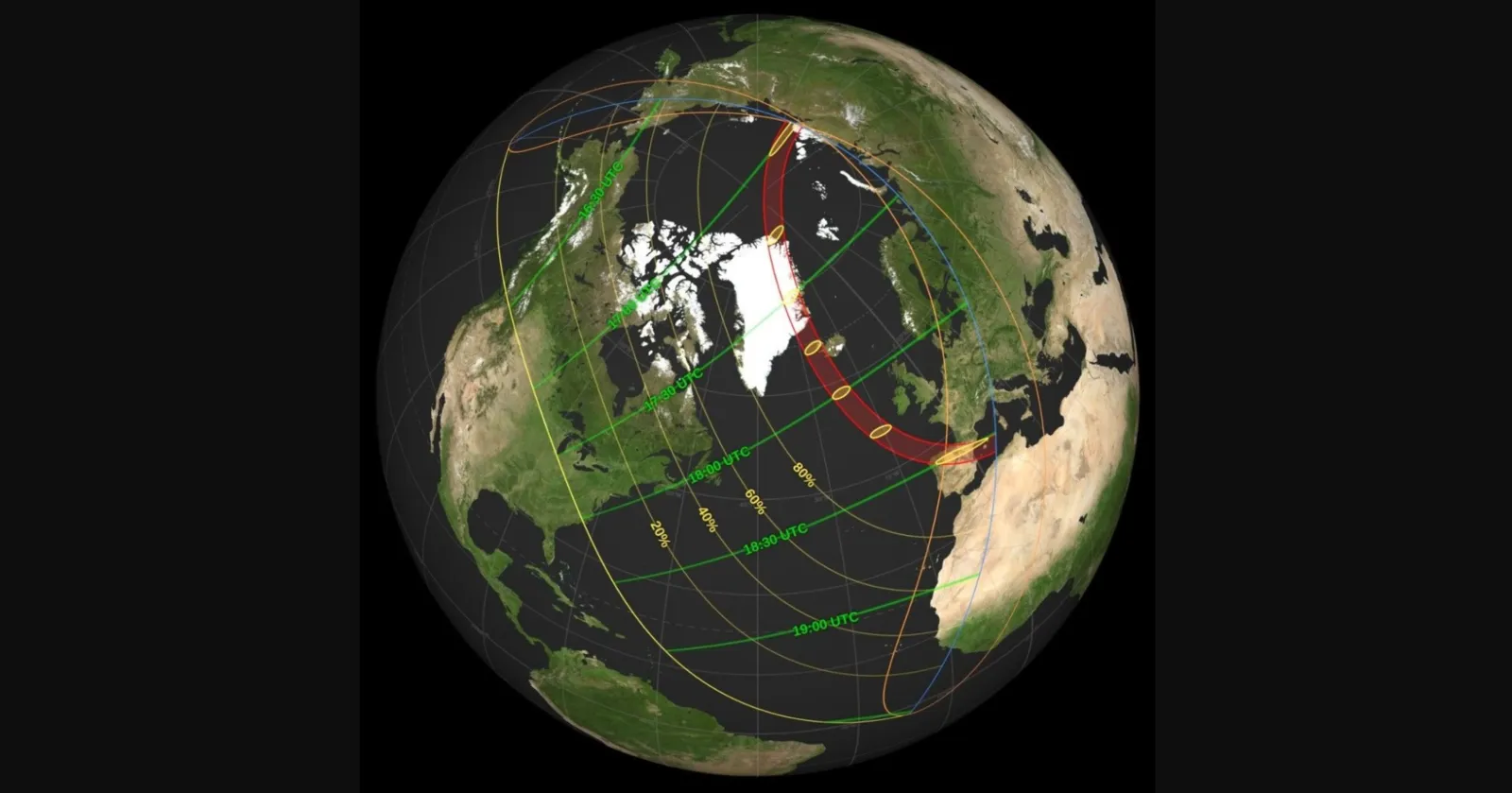
The only total solar eclipse of 2026 will be visible along a narrow path stretching across northern Russia, Greenland, Iceland, northern Spain and a small corner of Portugal. Viewers within the path of totality will see the moon completely block the sun for up to about two minutes, briefly turning day into twilight and revealing the sun’s outer atmosphere, or corona. Totality first arrives over northern Russia around 1 p.m. EDT, reaches Greenland around 1:30 p.m. EDT, Iceland around 1:45 p.m. EDT and northern Spain shortly after 2:30 p.m. EDT, CBS News reported.
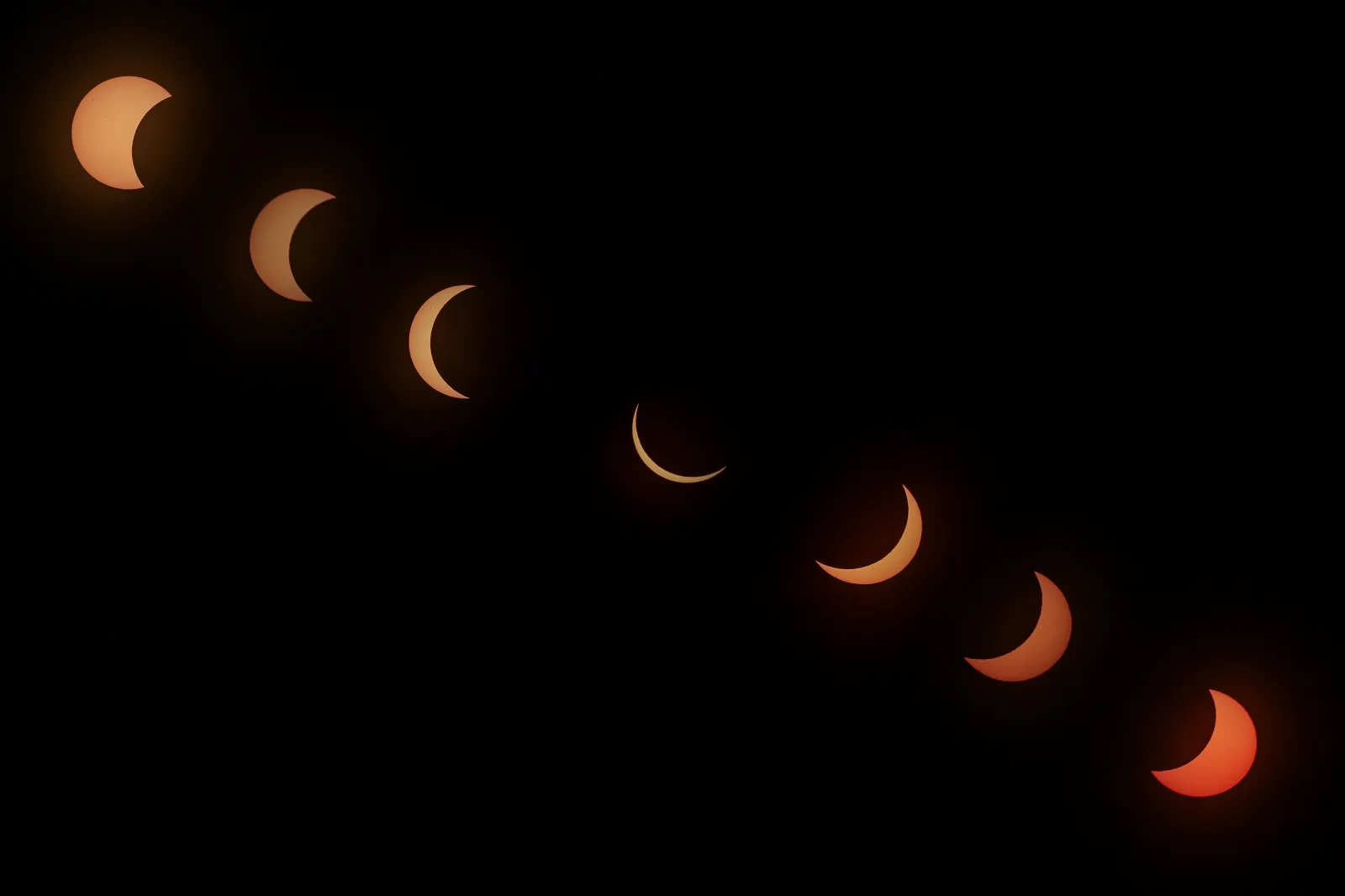
A much broader partial eclipse will be visible across most of Europe, northwestern Africa, most of Canada and parts of the northern United States. In the U.S., the eclipse can be seen from Alaska eastward to parts of the Northeast and Mid-Atlantic, although only a small portion of the sun will be covered. Cities such as Boston, New York and Philadelphia will experience partial eclipses during the early afternoon, while Fairbanks, Alaska, will see some of the deepest coverage in the country. Observers outside the path of totality must wear certified eclipse glasses for the entire event, as it is never safe to look directly at the partially eclipsed sun.
When and Where Is the Partial Solar Eclipse Visible in US?
NASA shared information on its website showing the partial eclipse start and end times for large cities in the U.S. falling within the path of the event. All times are local.
How to Watch a Solar Eclipse Safely Without Glasses?
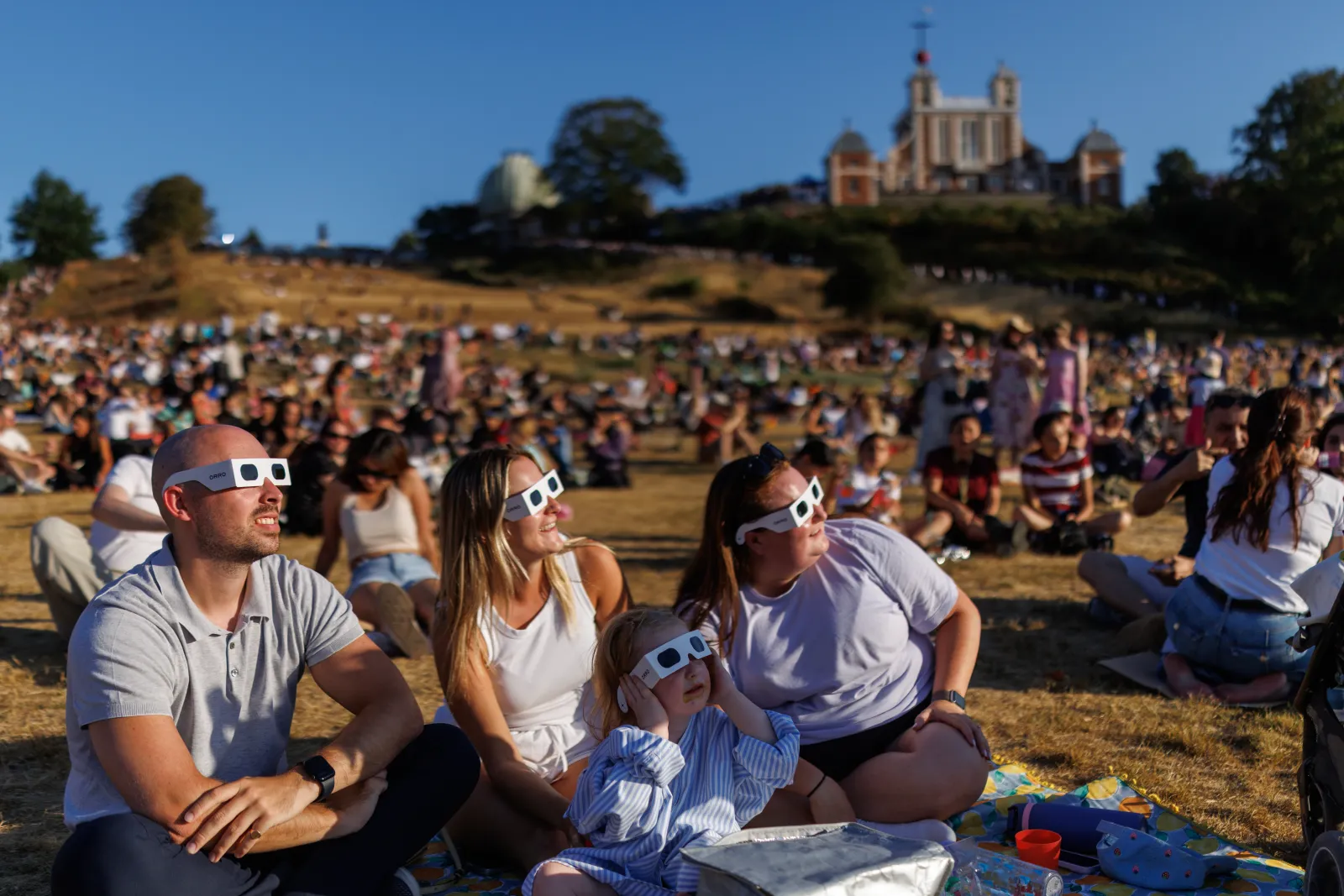
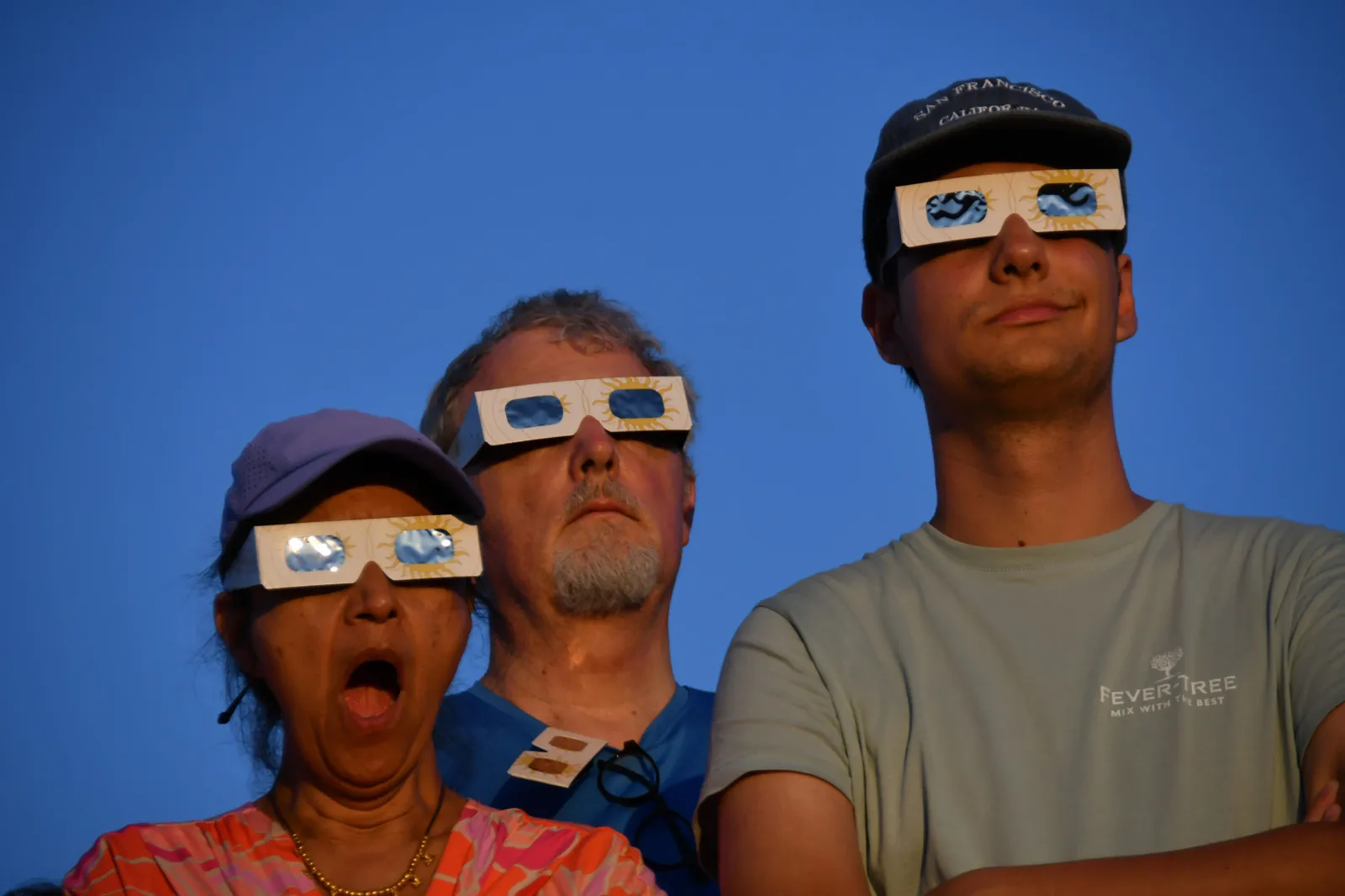
Eye specialists say ordinary sunglasses do not provide enough protection. Instead, viewers should use eclipse glasses that meet the international ISO 12312-2 safety standard or use indirect viewing methods such as a pinhole projector. NASA stresses that eclipse glasses should be discarded if scratched, torn or otherwise damaged.
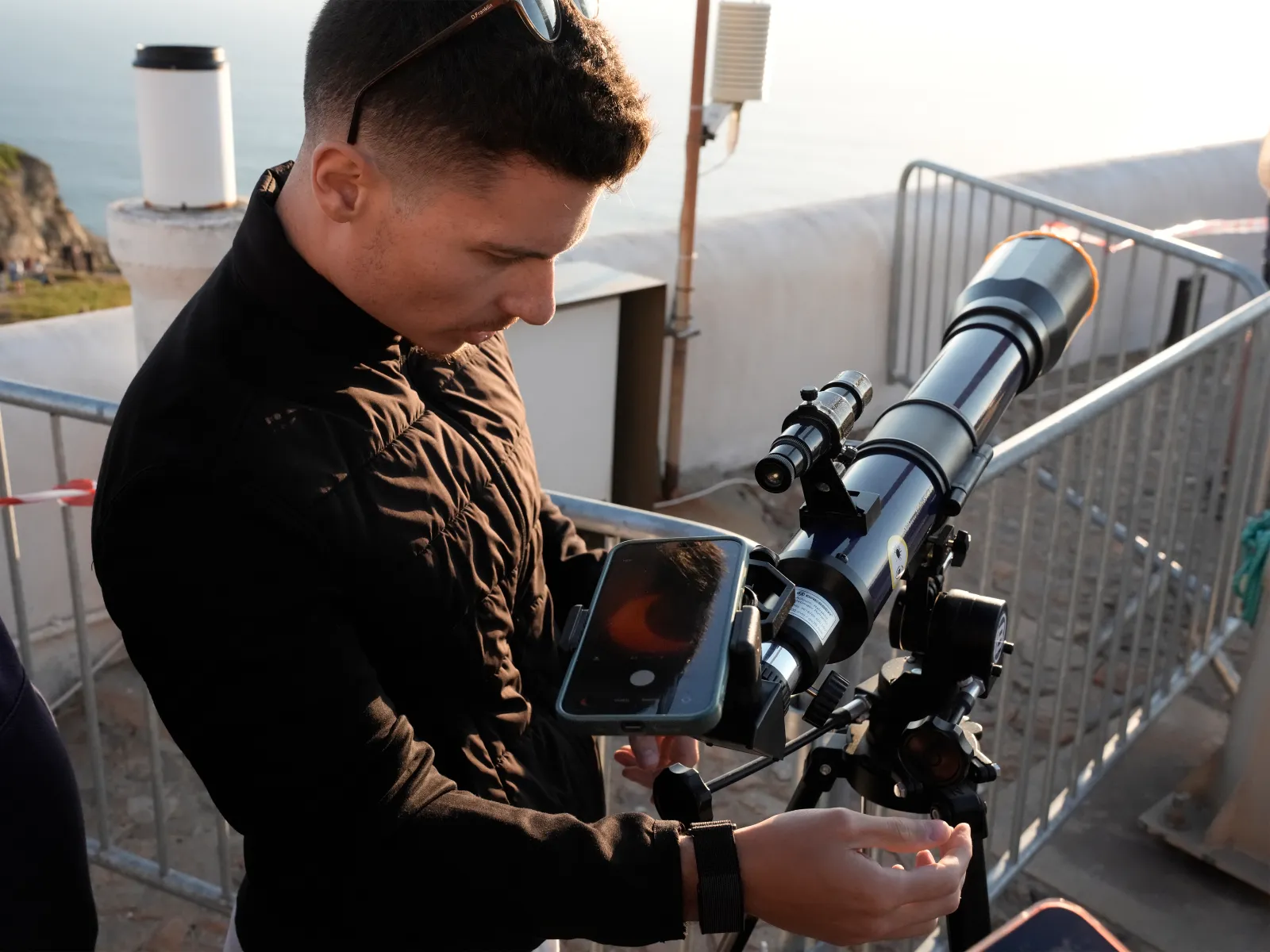
There is also a lesser-known hazard involving cameras and binoculars. NASA warns that wearing eclipse glasses while looking through a telescope, camera lens or binoculars is not safe. The concentrated sunlight passing through the optics can burn through the filter and cause serious injury to the eyes. People using telescopes or cameras must use properly mounted solar filters designed specifically for those devices.
If you don’t have eclipse glasses, experts say the safest way to watch a solar eclipse is to use an indirect viewing method rather than looking at the sun itself. A simple pinhole projector, made by poking a small hole in a piece of card and projecting the sun’s image onto a sheet of paper, allows viewers to see the eclipse safely with the sun behind them. Household items such as kitchen colanders can also project multiple images of the partially eclipsed sun onto the ground.
What Happened to People Who Looked at Past Eclipses?
The risks are not merely theoretical. Ophthalmologists continue to cite cases from the widely viewed August 11, 1999, total solar eclipse across Europe. Following that eclipse, the Royal College of Ophthalmologists reported approximately 70 cases of eclipse-related vision problems, with about 40 percent of affected people saying they had looked at the sun for less than a minute. Some recovered useful vision, while others were left with lasting visual deficits.
Medical studies published after the 1999 eclipse documented numerous cases of solar retinopathy. One Lancet study that followed people seeking treatment after viewing the eclipse found that several patients experienced retinal burns, and some continued reporting symptoms months later. Researchers concluded that appropriate filters or indirect viewing methods were essential to prevent injury.
Additional research conducted after the 1999 eclipse found dozens of people sought treatment for visual disturbances, while studies from Turkey documented patients suffering reduced visual acuity and persistent visual abnormalities after staring at the eclipse. Researchers noted that prevention remained the best treatment because no reliable cure exists for retinal burns once they occur.
The American Society of Retina Specialists says solar retinopathy can leave permanent blind spots that interfere with everyday activities such as reading and recognizing faces. The organization notes that cases of eclipse-related eye injuries have been documented around the world, including during eclipses in Europe in 1999 and North America in 2017.
What Happens Next
For those planning to watch tonight’s eclipse, experts emphasize that the safest options remain certified eclipse glasses, approved solar viewers or indirect viewing methods such as a pinhole projector. Looking directly at the sun, even for a few seconds, is a risk ophthalmologists say simply is not worth taking.
Contact Newsweek editors on this story: John Fitzpatrick, Gray R. Thomas and Alex Backus.