
Indoor air quality affects health and well-being. Hidden pollutants can cause respiratory issues, allergies, and long-term health risks. These threats are often invisible and odorless, making them difficult to detect without testing. Source: bobvila.com.
Common Indoor Air Pollutants
Particulate matter is one of the most common indoor pollutants. It includes tiny particles like pollen, smoke, soot, and dust. These particles can be as small as 2.5 micrometers (PM2.5). They can travel deep into the lungs and cause health problems.
Dr. Jaspreet Dhau, an indoor air quality expert at Molekule, explains that PM2.5 is especially concerning. Sources include cooking, candle burning, vacuuming, and opening windows during high outdoor pollution. When fine particles are inhaled, they can penetrate deep into the alveoli of the lungs, where they may trigger inflammation or contribute to chronic respiratory conditions such as asthma or bronchitis.
Volatile organic compounds (VOCs) are gases released by household products. These include paint, flooring, furniture, cleaning supplies, and air fresheners. VOC levels may be higher during and after a home renovation, when new furniture is brought into a home, or when products containing chemical ingredients are used without adequate ventilation.
Dr. Dhau notes that pressed wood furniture and building materials may release formaldehyde, a known carcinogen. Formaldehyde is particularly problematic because it can accumulate over time, especially in poorly ventilated spaces, and its effects may not be immediately noticeable.
For example, new carpeting or laminate flooring may emit VOCs for several weeks after installation. Similarly, air fresheners and scented candles often contain chemicals that release VOCs when heated or agitated. These compounds can react with other substances in the air to form secondary pollutants, such as ozone, which can further degrade indoor air quality.
Carbon Monoxide: A Silent Threat
Carbon monoxide (CO) is a colorless, odorless gas. It forms when things burn, such as gas stoves, fireplaces, furnaces, water heaters, candles, and tobacco products. CO can be dangerous because it’s hard to detect without a working alarm.

Dr. Dhau emphasizes that CO is especially risky in homes with fuel-burning appliances. It binds to hemoglobin in the blood more effectively than oxygen, reducing the blood’s ability to deliver oxygen to tissues and organs. This can lead to symptoms such as headaches, dizziness, nausea, and, in severe cases, unconsciousness or death. The danger is compounded in poorly ventilated rooms or when appliances are malfunctioning.
Regular maintenance of appliances is essential. Furnaces, water heaters, and fireplaces should be inspected by qualified professionals. This ensures they vent properly and do not leak CO. For instance, a malfunctioning water heater can emit CO through a cracked vent or a blocked exhaust pipe. Routine inspections help identify such issues before they become hazardous.
Dust and Pet Dander: Biological Pollutants
Dust mites and pet dander are biological contaminants. They come from living organisms and collect in mattresses, carpets, and upholstered furniture.
Bill Myers, an indoor air quality expert at Panasonic, says dust mites enter homes through open windows, pets, clothing, and HVAC systems. Signs of a problem include dust buildup, allergy symptoms, and pet hair. These particles can trigger asthma and allergic reactions, especially in children and older adults with pre-existing conditions.
Studies show that dust mites thrive in warm, humid environments, and they are most abundant in bedding, upholstered furniture, and soft textiles. They feed on dead skin cells, which are shed daily by humans and pets, making them a persistent indoor pollutant.
Pet dander consists of tiny flakes shed by pets’ skin. These flakes are microscopic and can remain suspended in the air for hours. When disturbed—such as by brushing a pet or opening a door—they can be inhaled or transferred to surfaces. This is especially problematic in homes with multiple pets or where pets are allowed indoors.
Mold: A Moisture-Related Hazard
Mold grows when moisture builds up in areas like bathrooms, basements, and kitchens. Activities such as cooking and showering add humidity.
Meyers says mold thrives when moisture is not removed. Signs include foggy mirrors, condensation on windows, musty odors, and visible mold. Mold spores are airborne and can settle on surfaces, where they grow when conditions are favorable. Some species, such as Stachybotrys, can produce mycotoxins that may have adverse health effects, including respiratory irritation and immune system disruption.
Prevention includes fixing leaks, monitoring humidity, and using exhaust fans. Dehumidifiers help in damp areas. For instance, a basement with poor drainage can develop persistent mold growth if not addressed. Even minor leaks, such as under a sink or behind a refrigerator, can create localized moisture zones that promote mold development.
How to Improve Indoor Air Quality
- Ventilate during cooking: Use a range hood that vents outdoors, especially when frying.
- Use air purifiers: Choose models with HEPA filters to capture fine particles and biological contaminants.
- Choose low-VOC products: Buy paints, flooring, and furniture labeled low-VOC or formaldehyde-free.
- Store chemicals safely: Keep paints, solvents, and pesticides sealed and out of living areas.
- Limit aerosol sprays: Avoid heavily fragranced air fresheners and cleaning products.
- Inspect appliances regularly: Have furnaces, water heaters, and fireplaces checked by professionals.
- Install CO alarms: Place working detectors on every level of the home, especially near sleeping areas.
- Keep surfaces clean: Vacuum with a HEPA-filtered vacuum and use damp microfiber cloths to avoid resuspending dust.
- Wash bedding and soft furnishings: Clean pillow protectors, pet beds, and throw blankets regularly.
- Fix leaks and moisture: Check under sinks, behind appliances, and near windows for drips or dampness.
- Use exhaust fans: Run bathroom and kitchen fans during and after showers and cooking.
- Scrub mold immediately: Use bleach or borax for mold on surfaces. For delicate surfaces, use vinegar or dish soap.
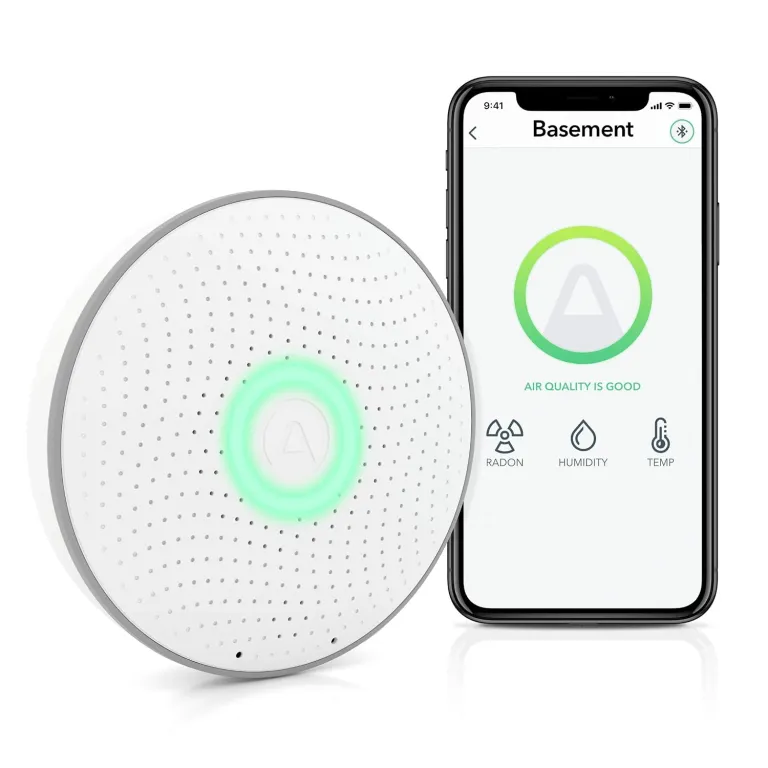
One of the most effective tools for monitoring air quality is the Airthings 292 Wave Mini. It provides accurate readings and connects to an app for real-time reports. This helps users track air quality over time.
For whole-home solutions, the Coway Airmega Pro X is a commercial-grade air purifier. It includes a washable pre-filter, carbon filter, and HEPA filter. It is effective for homes with pets and high dust levels.
These tools and practices support healthier indoor environments. They are especially important for people with allergies, asthma, or respiratory conditions.
Indoor air quality is not just a technical issue. It’s a daily habit. Simple actions—like opening windows, cleaning regularly, and maintaining appliances—can make a significant difference.
For more product testing and reviews, visit Bob Vila’s product testing page. Learn how they evaluate air purifiers and monitors for real-world performance.
Check out the Airthings 292 Wave Mini on Amazon: Airthings 292 Wave Mini. Or explore the Coway Airmega Pro X: Coway Airmega Pro X.
Sources & further reading
Featured image: Photo: Stokkete via Shutterstock. Via original publisher. Image source
