Anger is not a reflex. It is a choice.
Anger Is a Choice, Not a Reflex
When someone bumps into you on a bus, your body may react instantly. A sharp breath. A tight chest. A surge of anger.
But that reaction isn’t automatic. The human brain is wired to respond quickly to threats. This built-in system helps us survive. It prepares us to flee or fight.
Yet, the Stoic philosopher Epictetus said: ‘If someone succeeds in provoking you, realize that your mind is complicit in the provocation.’
That means anger isn’t something that happens to us. It starts in our minds. We choose to let it rise. We choose to respond.
When someone says, ‘Hey, get out of the way, jerk,’ you might feel a hot flush. Your gut reacts. But you can pause. You can think. You can choose to respond calmly instead.
Scale Back Your Expectations of Others
People are flawed. They are selfish. They are ungrateful. They disappoint us.
Yet, we still depend on them. We interact with them daily. We care about them.
Marcus Aurelius, the Roman emperor and Stoic philosopher, wrote: ‘When you wake up in the morning, tell yourself: The people I deal with today will be meddling, ungrateful, arrogant, dishonest, jealous, and surly… And so none of them can hurt me.’
He didn’t mean to be dismissive. He meant to reframe how we see others. We don’t need to be offended. We don’t need to feel hurt.
When someone acts badly, we may feel anger. But that doesn’t mean they’ve harmed us. It means we’ve allowed our emotions to be affected.
Consider a colleague who consistently misses deadlines and blames others for delays. You may feel frustrated, even angry. But if you expect them to always meet deadlines, you’re setting a standard that may not be realistic. By scaling back expectations—acknowledging that people operate under different pressures, time constraints, or personal challenges—you reduce the emotional toll of perceived failures.
Similarly, when a friend cancels plans at the last minute, you might feel betrayed. But if you recognize that people have unpredictable lives—work demands, emergencies, personal issues—you can respond with understanding rather than anger. This shift in perspective doesn’t mean you’re dismissing the situation. It means you’re adjusting your emotional investment in outcomes that are beyond your control.
Stoicism teaches that we don’t need to be emotionally wounded by others’ actions. We can accept that people are imperfect and that their behavior is shaped by factors outside their awareness or responsibility. This doesn’t excuse bad behavior, but it allows us to respond with equanimity rather than outrage.
People Get Under Our Skin Because We Open Our Pores to Them
Our emotions are like pores. They open when we let others’ words or actions affect us.
When we take someone’s opinion personally, we open our pores. We let their actions shape our self-worth.
But we can close those pores. We can take ownership of how we feel.
Anger is a private experience. No one else can make you angry without your permission.
If someone cheats you in a business deal, you have every right to respond. But how you feel—and what you do—is yours to decide.
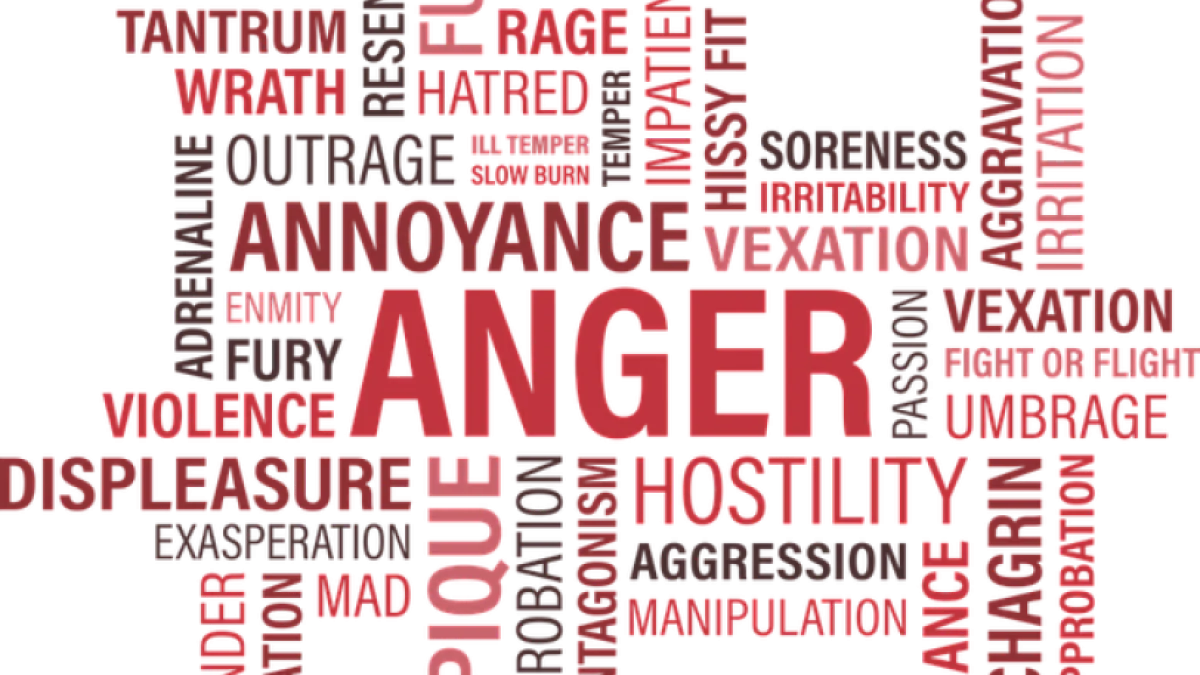
For instance, imagine a partner who makes a dismissive comment about your career ambitions. You might feel hurt and angry. But if you reflect on whether that comment was meant to belittle you or simply expressed a personal bias, you can reframe the interaction. You don’t have to take it personally. You can recognize that their words may reflect their own insecurities, not your worth.
By practicing emotional distance—by not equating others’ actions with personal attacks—you protect your inner world. You stop allowing external events to define your emotional state.
Pause to Reflect: Delay Weakens Anger
When anger rises, delay your response. Breathe slowly. Count backward. Walk away briefly.
Thomas Jefferson advised counting to 10 before speaking. If very angry, count to 100.
The Roman Stoic Seneca said: ‘The greatest remedy for anger is delay.’
Anger loses its power when time passes. It doesn’t vanish—but it slows. It cools. It loses its urgency.
Pausing gives your mind a chance to evaluate. It allows you to see the situation clearly. It stops you from reacting on impulse.
For example, if a customer is rude during a service interaction, you might feel a surge of frustration. Instead of responding with a sharp tone or a harsh reply, you can pause. Take a breath. Count to five. Then respond with clarity and calm. This small act of self-regulation can prevent escalation and preserve professional integrity.
Why This Matters
Uncontrolled anger leads to conflict. It clouds judgment. It can damage relationships and careers.
But anger isn’t inherently bad. It can signal that something is wrong. It can motivate us to act.
What matters is how we use it. We don’t need to feel angry to respond to injustice. We can act assertively—without aggression.
Stoic philosophy teaches that we control our reactions, not what happens to us.
Limitations and Open Questions
Not everyone can adopt Stoic practices. Some people feel anger as a natural response to harm.
For some, anger is a protective emotion. It signals danger or disrespect.
There’s no one-size-fits-all solution. What works for one person may not work for another.
Emotional regulation is not just about control. It’s about understanding how we connect with others—and how we protect our inner world.
Anger is a signal. But it doesn’t have to lead to violence. With awareness and practice, we can manage it without losing our sense of self.
Source: The Minute Therapist – Psychology Today
Sources & further reading
Featured image: original publisher image. Via original publisher. Image source