When bones are boiled down to their essence, marrow emerges as a rich, nutrient-dense ingredient. It’s not just a culinary curiosity—it’s a practical way to use leftover bones from cooking, especially in traditional or home-based meals.
What is marrow?
Marrow is the soft, fatty substance found inside the hollows of bones, particularly in large bones like the femur or tibia. It’s high in fat, protein, and minerals such as calcium and phosphorus.
When bones are simmered in water for hours, the marrow is released into the broth. This process is common in many cuisines, from French to Indian, where it’s used to enrich stocks and sauces.
How is marrow traditionally used?
Historically, marrow was a luxury food, reserved for special occasions or winter months. It was often served in thick, rich stews or roasted as a delicacy.
Modern cooking sees marrow used in a variety of ways—baked, braised, or incorporated into sauces and gravies. It adds depth and richness to dishes without requiring added fats or oils.
Ways to serve marrow
- Marrow broth: Simmer bones for several hours to extract marrow. Strain and use the broth as a base for soups or stews.
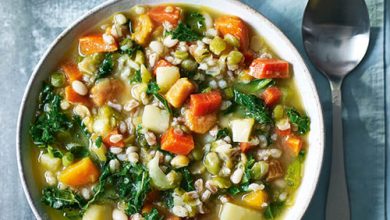
- Marrow with vegetables: Add marrow to a stew with carrots, onions, and potatoes. The fat melts into the dish, creating a velvety texture.
- Marrow cake: Mix marrow with flour, eggs, and spices to make a dense, golden cake. Bake until golden and serve with a drizzle of honey.
- Marrow and cheese gratin: Layer marrow, cheese, and breadcrumbs. Bake until golden and serve warm.
- Marrow with herbs and garlic: Sauté marrow with garlic, thyme, and rosemary. Serve as a side or in a pan sauce.
Why this matters
Using marrow is a sustainable practice. It turns waste—like leftover bones—into a valuable ingredient. This aligns with principles of food preservation and circular cooking.
It also supports home-based food systems, where people rely on seasonal and local ingredients. Marrow is especially useful in colder months when energy-rich foods are more valued.
Limitations and considerations
Marrow is high in fat and calories. It may not suit dietary restrictions such as low-fat or low-cholesterol plans.
Some people find the taste strong or rich. It may not appeal to all palates, especially those used to lighter, leaner dishes.
Preparation requires time and attention. Long simmering times mean it’s not ideal for quick meals or busy households.
Access to large bones—like those from beef or poultry—can be limited in some regions or households.
While the BBC Good Food website offers a guide to ways to serve marrow, it does not include detailed recipes or step-by-step instructions. The content focuses on ideas and applications rather than full cooking processes.
For more ideas on how to use marrow in cooking, visit the BBC Good Food guide.
Exploring marrow use supports broader food sustainability goals. It encourages households to make the most of what they already have, reducing waste and improving resource efficiency.
Sources & further reading
Featured image: original publisher image. Via original publisher. Image source