

Tsvetana Paraskova
What I Cover
Tsvetana Paraskova is an energy and commodities journalist who has contributed to Oilprice.com for nearly a decade, covering global energy markets, commodities,…
Set us as your preferred Google source
By Tsvetana Paraskova – Aug 10, 2026, 5:30 AM CDT
Hungary expects its only nuclear power plant to resume producing electricity as early as Monday evening after one of the turbines at the Paks nuclear plant is switched on, Prime Minister Peter Magyar said.
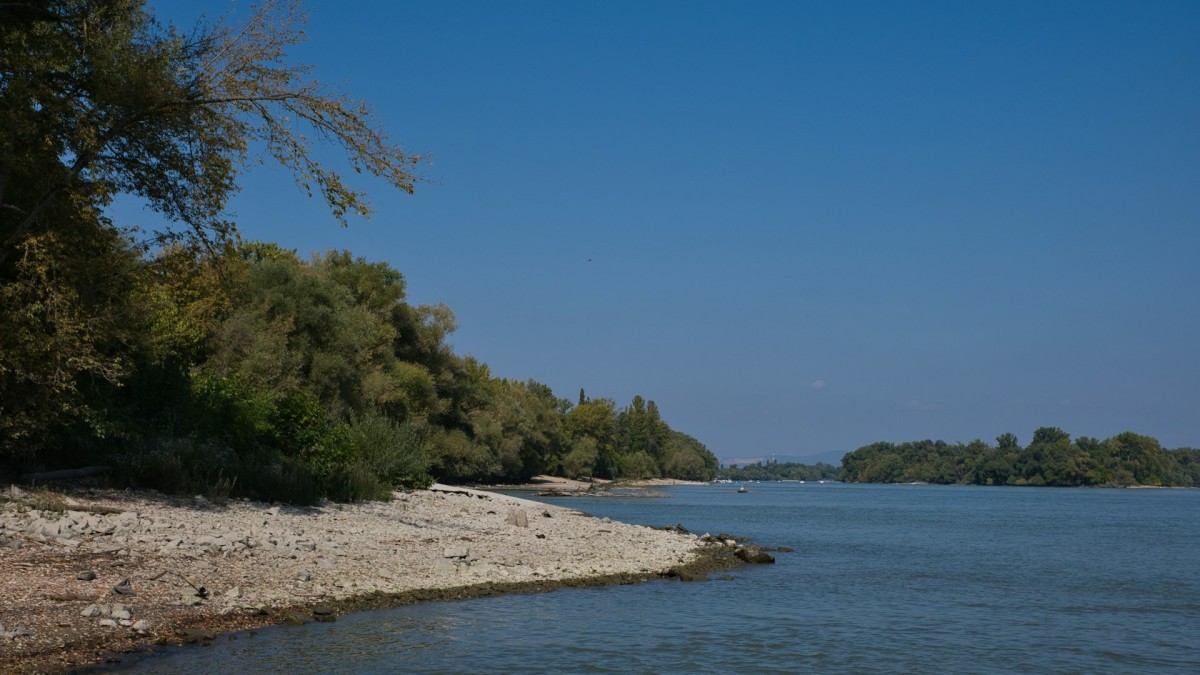
Hungary and Romania have been hit in the past weeks by power supply issues after the heatwaves and the lack of rainfall this summer led to the lowest water levels of the Danube in nearly 90 years. Hungary and Romania were forced to curb the respective nuclear power output of their plants that use the water from the river for cooling of the reactors.
Last week, Hungary shut down the Paks Nuclear Power Plant, for the first time in 44 years, due to the continued drop in the water level of the Danube, Hungarian Prime Minister Peter Magyar said on August 2.
The water levels on the Danube started rising at the end of last week as rain started falling in the Austrian catchment areas of one of Europe’s biggest rivers.
On Thursday, Hungary’s Magyar said: “We are already nine centimeters above the Danube’s Sunday low point, and rain is expected in the Austrian catchment areas.”
Despite the good news about rising water levels, last week Hungary reiterated calls for “a strong need for voluntary reductions in electricity consumption” amid a heatwave that is gripping Europe these days.
On Monday, Magyar said that “The Danube’s water level was 19 centimeters above the low point from one week ago this morning. The reconnection process of a Paks turbine has begun. From evening, the No. 3 turbine of the second unit will also generate power.”
Romania, another European country relying on nuclear power output from a power plant on the Danube, last week blasted a rock formation and sank barges filled with rocks to deviate the Danube’s flow and secure enough water for cooling the reactors of its only nuclear power plant at Cernavoda.
The operation was successful, and water levels at Cernavoda rose this week, which means the second nuclear reactor at the plant could operate for at least nine more days.
By Tsvetana Paraskova for Oilprice.com
More Top Reads From Oilprice.com
- Hormuz Tensions Surge After Reports of Another Tanker Strike
- Oil Prices Rise as Iran Hardens Hormuz Demands
- Russian Oil Production Climbs Above 9 Million Bpd in July
Tsvetana Paraskova
What I Cover
Tsvetana Paraskova is an energy and commodities journalist who has contributed to Oilprice.com for nearly a decade, covering global energy markets, commodities,…