Baghdad’s judiciary is set to deliver verdicts on Thursday for 20 French nationals accused of joining the Islamic State (IS). Source: france24.com.
The court trials are part of Iraq’s broader effort to prosecute thousands of suspected jihadists transferred from Syria. The cases follow years of IS expansion across Iraq and Syria, during which the group committed widespread violence and atrocities, including mass killings, forced displacement, and sexual slavery of women and girls.
Key Accused: French Nationals with Links to Major Attacks
Among the 20 French nationals awaiting judgment are individuals tied to IS operations in Europe. Adrian Guihal is known for voicing an IS claim related to the 2016 Nice truck attack that killed 86 people. The attack occurred during a Bastille Day celebration and remains one of France’s deadliest modern terrorist incidents.
Thomas Collange had a wife who traveled with him to Syria. She was sentenced to 10 years in France for her involvement. Collange said he regretted bringing his family to Syria and renounced IS after trying to escape in 2017. His case shows the personal cost of such decisions.
Romain Garnier worked for IS’s radio operations. Quentin Le Brun appeared in a propaganda video. These roles show direct involvement in the group’s communication and recruitment efforts, not just passive support.
Legal Proceedings and Personal Regrets
Most suspects pleaded guilty. They expressed regret for joining IS, with some asking to be sent back to France. Adrian Guihal spoke clearly during a session last week—unlike others, who often stuttered or spoke softly. He said: ‘I have changed a lot, I am a new person.’
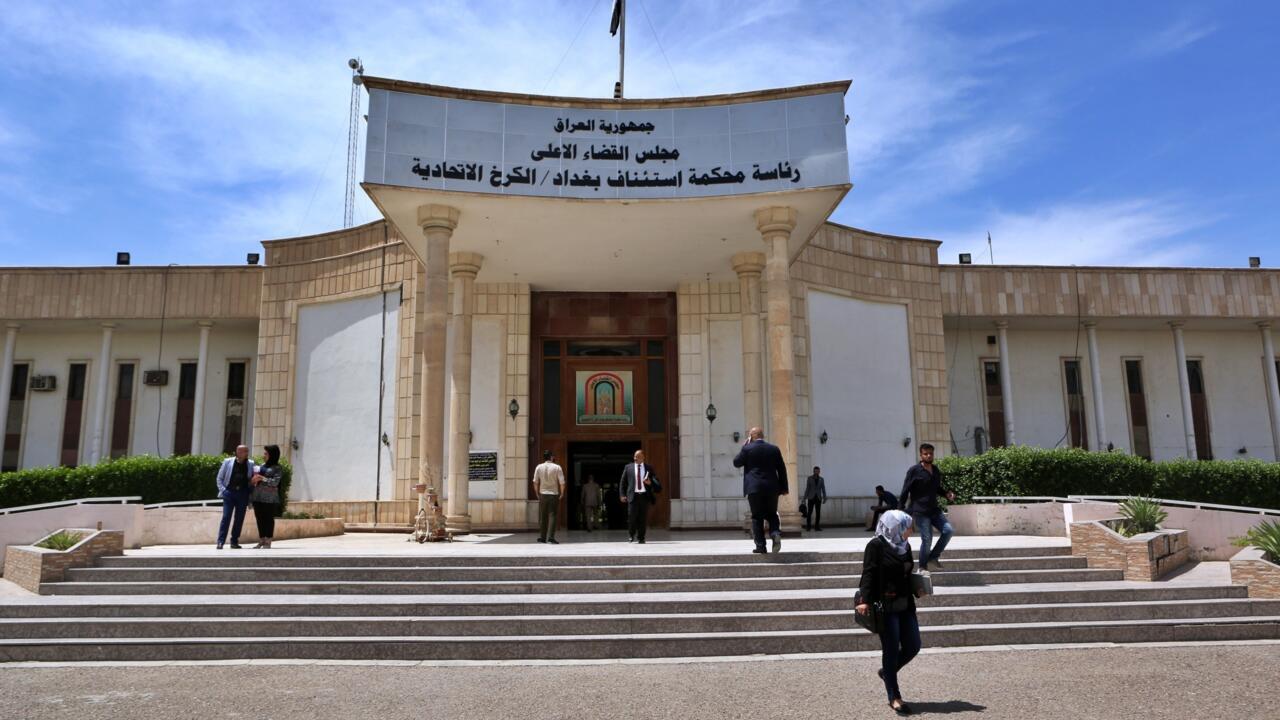
Many argued they only visited Syria, not operated in Iraq. Yet Iraq prosecutes them under its anti-terrorism law for membership, regardless of location. This raises questions about fairness and consistency in international prosecutions.
Background: Iraq’s Ongoing Fight with IS Legacy
Foreign fighters were transferred from Syria under U.S. coordination. Iraq now faces thousands of cases under its terrorism laws, many with weak or unverified links to actual IS operations.
Legal and Human Rights Concerns
Human rights groups say many defendants lacked proper legal representation, access to counsel, or time to prepare. Critics argue the trials don’t meet international fair trial standards, especially for foreign nationals.
France has repatriated hundreds of family members of jihadists. It has not brought most accused men back. As a result, they face justice in Iraq, where legal procedures differ from Western democracies.
What This Means for International Justice
The trials show a pattern: foreign fighters are tried in countries where they were not active. While Iraq has handed down hundreds of life and death sentences, the legal process remains under scrutiny. As of this reporting, 15 of 47 French citizens being tried since September have been sentenced—15 to life, one to 15 years. These cases may shape how foreign fighters are handled in post-conflict zones.
For now, the trials are legal proceedings, not a solution to broader security or humanitarian issues.
Sources & further reading
Featured image: original publisher image. Via original publisher. Image source