
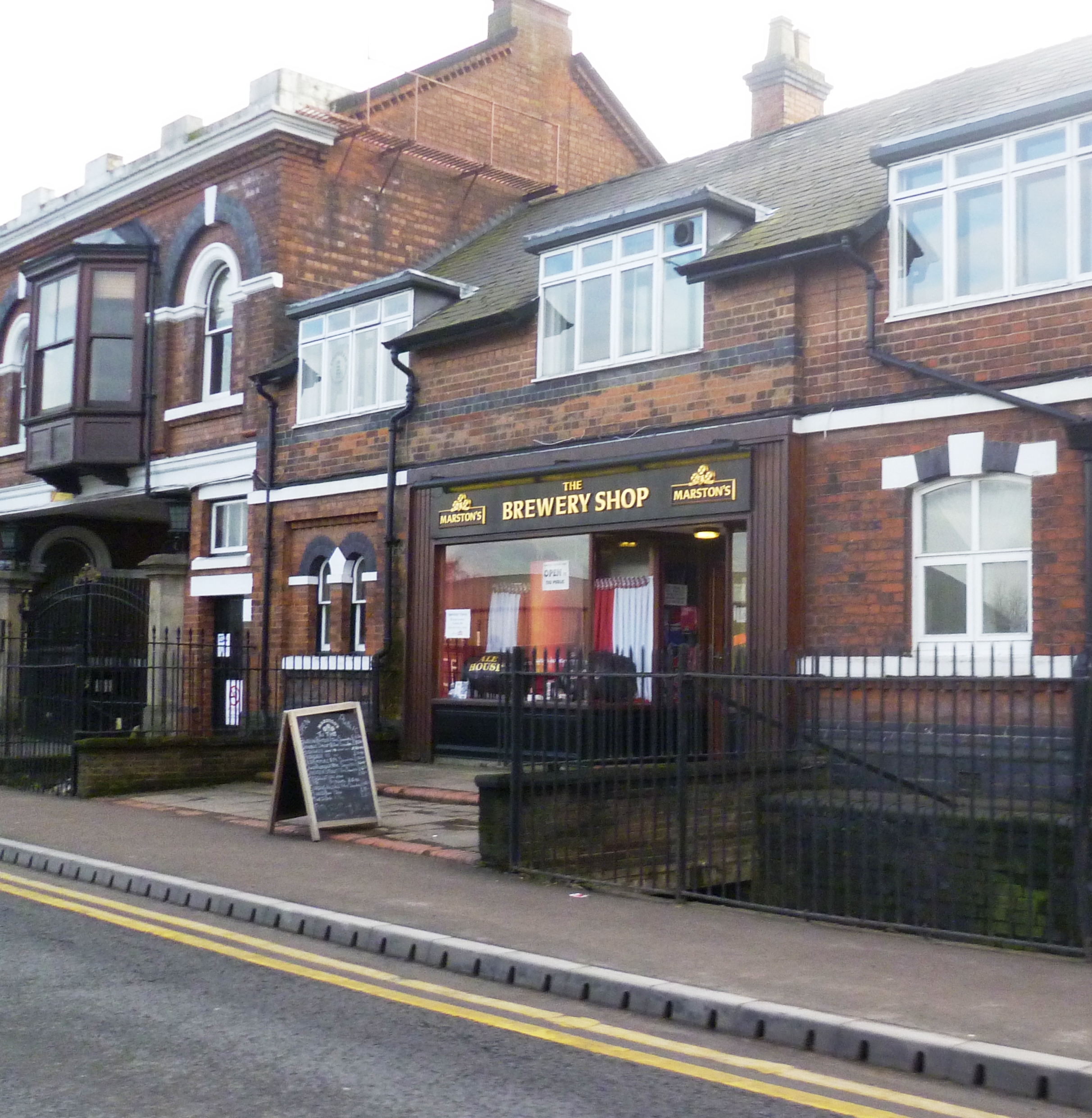
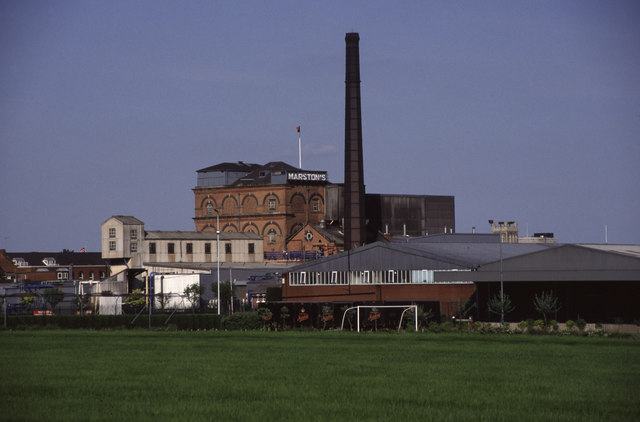
Carlsberg Britvic has announced plans to close Marston’s Brewery in Burton-upon-Trent, along with its primary logistics operation, next summer. Source: bbc.co.uk.
What Happened
The decision was revealed on Thursday, with the company stating it is part of a broader restructuring.
About 310 employees at the Burton site are expected to be affected.
The closure follows a decade in which UK cask ale volumes have more than halved, according to Carlsberg Britvic.
Key Facts
- Marston’s Brewery has operated in Burton for over 200 years.
- Carlsberg acquired full ownership of Marston’s brewing business in 2024.
- The closure affects both brewing and logistics operations at the Burton site.
- Priority brands like Hobgoblin, McEwan’s, and Brooklyn are expected to remain in the portfolio.
- Smaller ale brands may be taken over by specialist or local brewers.
Background: Burton’s Brewing Legacy
Burton-upon-Trent has long been known as the ‘beer capital of England’.
Monks began brewing in the 11th century, and the town’s unique water—rich in gypsum—gives beer a distinct ‘Burton snatch’ aroma, highly valued in brewing circles.
At its peak, over 30 breweries operated in Burton, making it a central hub for British beer production.
Reactions from Local Leaders
Camra chairman Ash Corbett-Collins, who grew up in Burton, called the announcement ‘an absolute disgrace’.
He said Carlsberg’s recognition of the brewery’s importance came ‘far too little too late’.
He agreed with Carlsberg on one point: the need to support independent brewers who can take on heritage brands.
Staffordshire County Council leader Martin Murray said losing this heritage ‘personally saddened me greatly’.
Opposition leader Philip White said Marston’s Pedigree and Bass Ale will no longer be brewed in Burton and called for action to protect workers and families.
What the Company Said
CEO Paul Davies stated the closure is ‘by no means a reflection on any of our people’.
He said both the brewery and logistics operations will continue during a transition period.
The company said it will share key decisions with colleagues and trade unions as they unfold.
Davies added that the portfolio will focus on where consumer demand is growing, while ensuring smaller ale brands thrive under specialist ownership.
Why It Matters
The closure marks a significant shift in the UK’s brewing heritage.
It signals a broader trend of declining cask ale sales and a move toward more commercial, mass-market beer.
Local businesses and workers face uncertainty, and the loss of a historic site raises concerns about cultural erosion.
What to Watch Next
How the transition affects employment and local economies remains to be seen.
Whether smaller, independent brewers can successfully take over heritage brands is an open question.
Public and political responses may shape future support for local brewing operations.
Marston’s PLC, which runs over 1,300 pubs, is unaffected by the closure and operates separately from the brewing business.
For more on Burton’s brewing history, see the original BBC report.
For background on Burton’s water and ‘Burton snatch’, visit this BBC article.
For details on other brewing closures in the region, see the BBC coverage of Banks’s Brewery.
Sources & further reading
Featured image: Marston's Brewery Shop. Burton upon Trent.jpg by Anthony Parkes, CC BY-SA 2.0, via Wikimedia Commons. Image source · License
