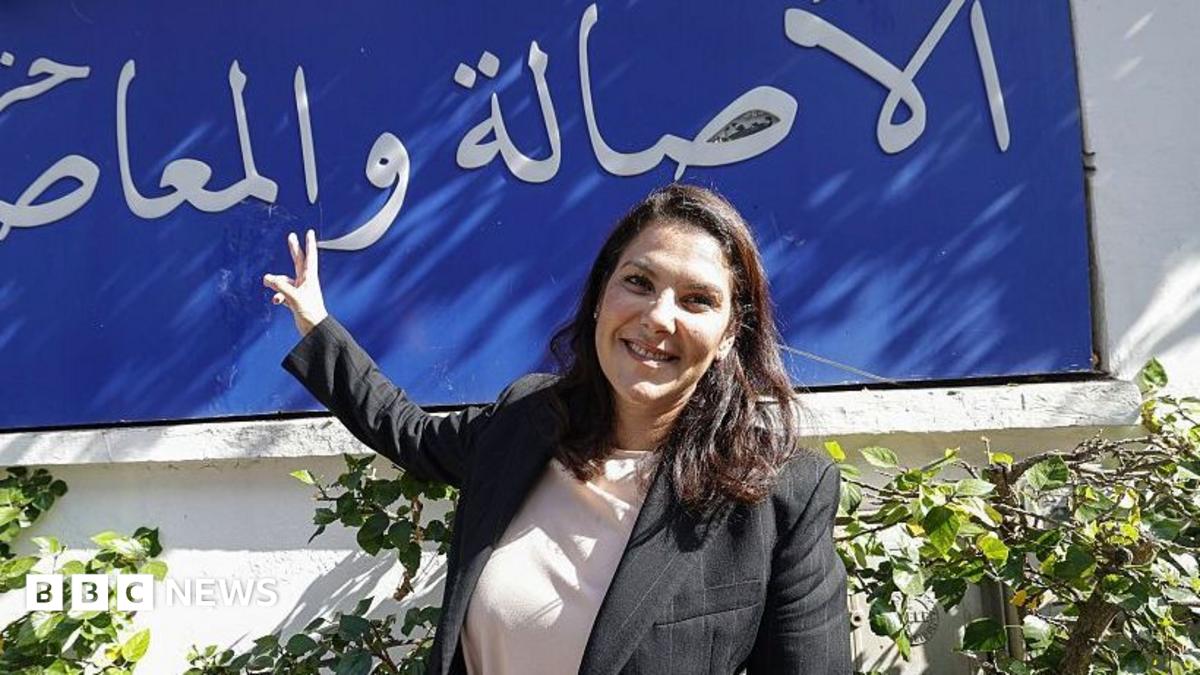
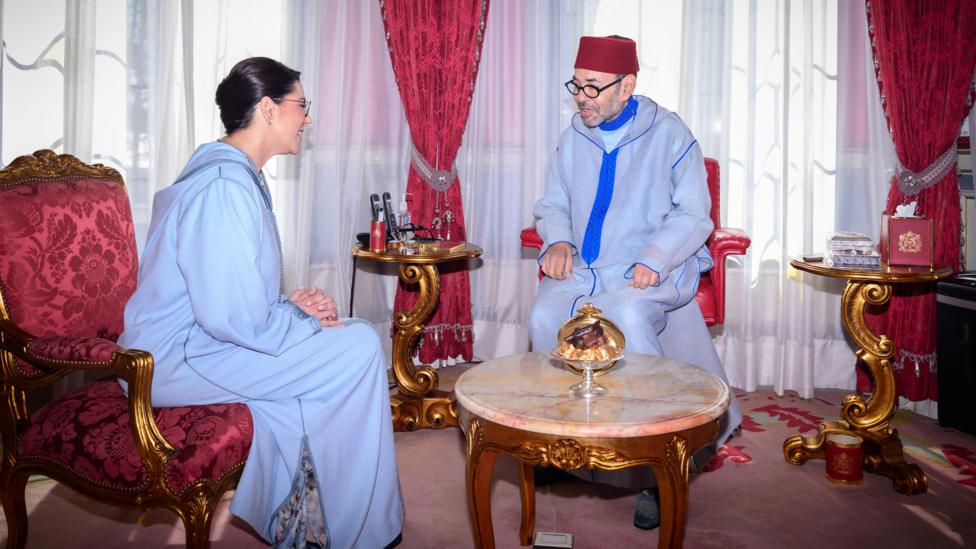
King Mohammed VI of Morocco has appointed Fatima Zahra El Mansouri as the country’s first female prime minister. This marks a historic shift in a political system long dominated by men, reflecting both a symbolic breakthrough and a complex intersection of tradition, religion, and modern governance. Source: bbc.co.uk.
What Happened
El Mansouri was named prime minister after the September parliamentary election. Her party, the Authenticity and Modernity Party (Pam), won the most seats with 207 out of 395 in parliament. Pam has formed a coalition with three other parties, securing a majority but not a broad mandate.
The appointment follows Morocco’s constitutional monarchy. The king retains key powers, including control over defence and foreign affairs. The move signals a symbolic step in the country’s political evolution.
Public and Religious Responses
Public reactions are mixed. Chouf TV surveyed men about a woman leading the government. Many middle-aged or older men hesitated. Some said they accepted it because it was the king’s choice.
One grey-haired man, who did not name himself, said: ‘It feels strange to have a woman as head of government. I’m not sure if it sits well with me.’ This reflects deep-rooted cultural and religious beliefs in some communities.
The Higher Council of Ulemas, Morocco’s body of religious scholars, has resisted reforms in family law. It holds that current inheritance rules—where daughters get half of sons’ shares—are rooted in Islamic jurisprudence. It has also blocked proposals to end taasib, a rule requiring female orphans without brothers to share with male relatives.
A 2022 report by Morocco’s National Human Rights Council found unequal inheritance rules contribute to women’s poverty. These disparities limit women’s financial independence and long-term autonomy.
Family Law and Reform Efforts
Morocco’s Moudawana governs marriage, divorce, child custody, and inheritance. It remains a key point of gender debate. The code includes rules allowing polygamy under certain conditions and permits a husband to take a second wife in cases of infertility or illness.
In 2024, the government announced reforms to modernize the Moudawana. One change allows women to include clauses in marriage contracts preventing their husbands from taking another wife. This supports greater marital autonomy.
These reforms have not yet become law. Critics say existing exceptions—like those for infertility—violate privacy and medical confidentiality. Women’s rights groups want deeper reforms, not just formal changes.
Education and Rural Challenges
Education access is unequal in Morocco. The High Commission for Planning found in 2025 that only 55% of girls aged 15–17 attend school in rural areas. Urban areas report 100% attendance.
Chifae Laazouzi, a young woman from a rural area, says many girls drop out due to long distances, unsafe transport, and family decisions. Menstrual health is still a taboo. She wants free menstrual products in schools.
El Mansouri’s Background and Political Record
El Mansouri has over two decades in public life. She served as mayor of Marrakech and held government posts, including minister for national territory planning, urban planning, housing, and city policy.
She has not made public statements on gender equality during major debates over inheritance, polygamy, or family law. This absence has drawn criticism from women’s rights groups.
Expert Analysis
Dr Irene Fernandez-Molina, a Global South expert at the University of Exeter, calls the appointment ‘authoritarian state feminism.’ She says it uses gender equality to boost the monarchy’s image, without real reform.
September’s election saw a two-decade low in turnout—only 38% of registered voters participated. This suggests limited political engagement, especially among rural and marginalized groups.
Yasmina Benslimane, a women’s rights advocate, says the appointment breaks a long-standing barrier. But she adds: ‘It matters how she got there.’ El Mansouri’s father was a pasha, a senior official. This background gave her access to political networks.
For Benslimane, reform of the Moudawana remains a key test of the new government. She says: ‘The real question is not whether a woman holds the top office, but whether she will challenge the power structures that have shaped women’s lives in Morocco.’
What to Watch Next
El Mansouri has not announced plans to push for Moudawana reforms or improve girls’ education. Her actions will be closely watched by civil society and religious institutions.
Any family law changes must gain approval from the Higher Council of Ulemas—a group mostly made up of men. This raises concerns about religious influence on gender policy.
The appointment is symbolic. Its real impact depends on what El Mansouri does. Will she challenge existing power structures? Will she support inclusive education? Will she advance meaningful reforms to the Moudawana? Without clear direction, progress on gender equality may remain limited. The coming months will show if this milestone leads to real change for Moroccan women and girls.
Sources & further reading
Featured image: El Mansouri, wearing a black blazer over a white shirt, stands in front of her party's slogan, written in Arabic in white lettering against a blue background.. Via original publisher. Image source