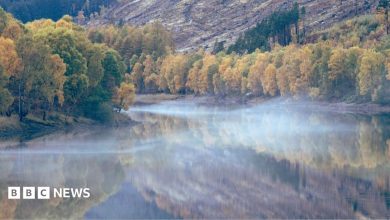
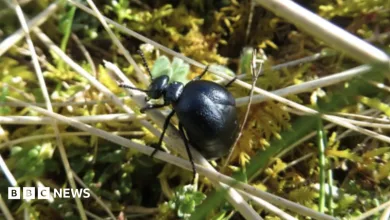
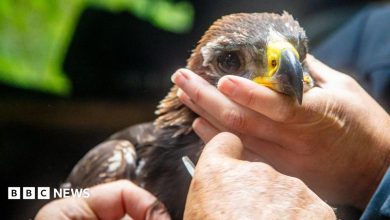
A new strategy has been launched in Northern Ireland to improve the protection of its natural environment. It aims to reverse biodiversity decline and restore key habitats across the region. Source: bbc.co.uk.
Key Findings on Nature Condition
About 40% of plant and animal species in protected sites do not meet the standard for ‘favourable condition’. This shows a significant gap between current ecological health and scientific benchmarks.
Only one of 49 priority habitats — such as ancient woodlands, blanket bogs, and species-rich grasslands — has favourable status. These habitats are vital for rare species and ecosystem resilience.
Between 2008 and 2024, the share of protected sites in favourable condition dropped from 61.7% to 51.5%. This decline shows worsening management and protection of natural areas.
What the Strategy Offers
The Nature Recovery Strategy provides a long-term, science-based plan to tackle biodiversity loss. It names six key pressures: invasive species, climate change, development, land and sea-use change, intensive farming, and pollution.
These pressures interact. The strategy calls for coordinated action to address them all.
Nature supports human life — by providing food, clean water, and breathable air. Minister Andrew Muir said protecting nature is a moral obligation to future generations.
He stressed that nature must be central to all decisions. When nature thrives, people flourish. This is essential for a strong economy, healthier communities, and a resilient Northern Ireland.
Designation and Management Gaps
There are hundreds of designated sites across Northern Ireland. They cover about 10% of land and 38% of coastal waters.
These include Areas of Special Scientific Interest, Special Areas of Conservation, Ramsar Sites, Special Protection Areas, and Marine Conservation Zones. These are legally protected and meant to ensure proper care.
Yet, the Office for Environmental Protection found many sites lack proper designation. Others are getting worse in condition.
The Department of Agriculture, Environment and Rural Affairs is now reviewing how these sites are managed. Implementation has not met expectations.
Concerns from Stakeholders
Glenn Cuddy, deputy president of the Ulster Farmers’ Union, remains skeptical. He worries nature will be prioritized over farming.
He said farmers have long cared for the countryside. Traditional practices like rotational grazing have supported habitats for decades.
Heather McLachlan of the National Trust said the strategy sets a direction. But urgent action is needed. She questioned where funding will come from and who will lead it.
Joanne Sherwood of The Royal Society for the Protection of Birds Ireland welcomed the strategy. She said species are in decline. Immediate action is required to avoid slow recovery.
Broader Context
Northern Ireland is one of the most nature-depleted regions globally. The 2023 State of Nature Report found 12% of species are under threat of extinction.
Flowering plant numbers have declined by 14% since 1970. This shows long-term environmental stress.
Without targeted investment and inclusive planning, recovery will remain slow. The strategy offers a clear path. But success depends on real-world action in funding, implementation, and balancing agriculture with conservation.
For more on how technology is shaping rural farming in Northern Ireland, see AI in Farming: How Tech is Changing Northern Ireland’s Dairy Industry.
Sources & further reading
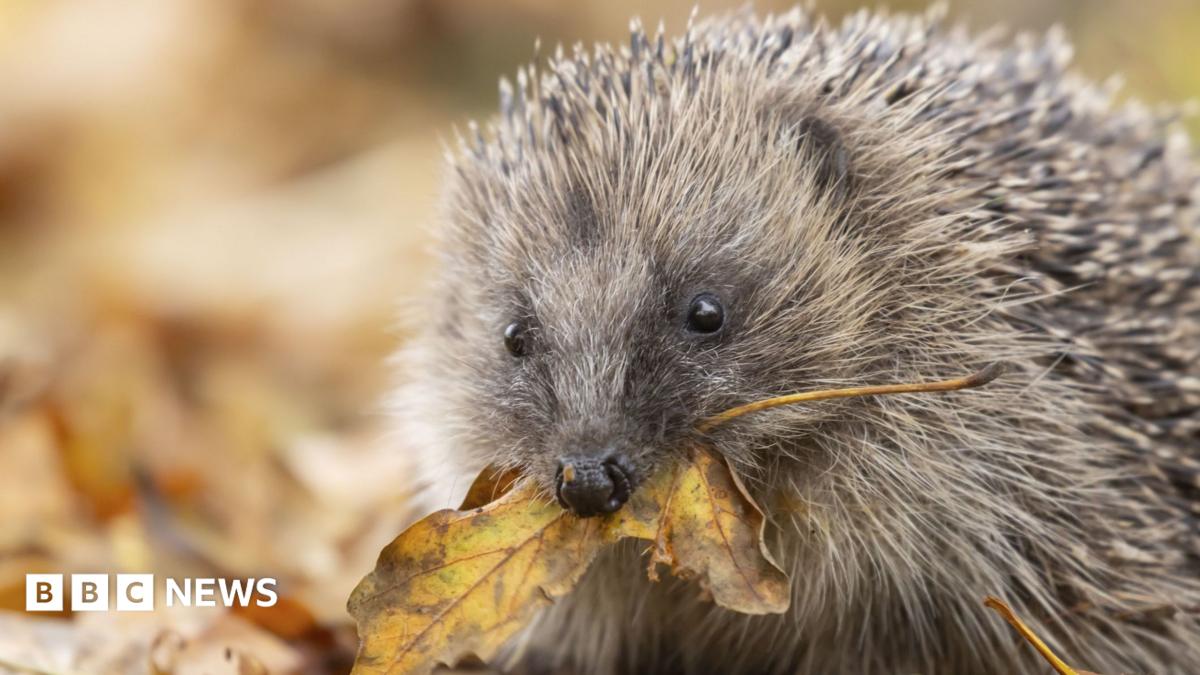
Featured image: European hedgehog (Erinaceus europaeus) adult animal on fallen autumn leaves in a garden carrying a leaf in its mouth for bedding during hiberation, England, United Kingdom – stock photo. Via original publisher. Image source