The National Lottery Heritage Fund has approved funding for the Our Rainforest Futures project. Source: bbc.co.uk.
What Happened
The grant will support the creation of three community hubs in Torridon, Morvern, and mid-Argyll.
Each hub will offer training and work opportunities in habitat restoration, deer management, and invasive species removal.
Key Facts
- The project covers a portion of Scotland’s west coast rainforest, which is designated as Atlantic rainforest due to the presence of rare oceanic plant life.
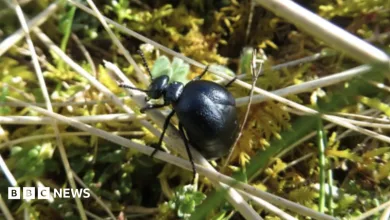
- The forest is home to hundreds of species including glow worms, slime moulds, and rare lichens.
- Overgrazing by deer and livestock, invasive species, and disease are among the threats to the surviving areas of woodland.
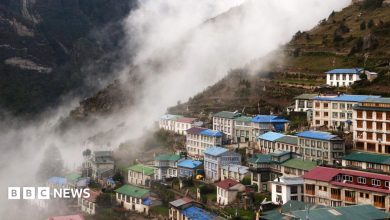
- The Torridon hub includes communities such as Kinlochewe, Shieldaig, Lochcarron, Applecross, and Gairloch.
- The Morvern hub will involve Lochaline, Strontian, and Tobermory in Mull.
- The mid-Argyll hub spans Crinan, Tayvallich, Lochgilphead, Ardrishaig, and Tarbert.
Background: How the Project Works
The Our Rainforest Futures project is led by the Woodland Trust Scotland.
It involves partners including the Argyll Countryside Trust, Community Woodlands Association, Plantlife, RSPB Scotland, and SRUC.
Local residents will gain hands-on training and employment in conservation work.
Training will focus on practical skills such as habitat restoration, managing deer populations, and removing invasive plants.
Why It Matters
The Atlantic rainforest is internationally significant but largely unknown to the public.
Caroline Clark, Scotland director at the National Lottery Heritage Fund, said fewer than one in three people know it exists.
She emphasized that the rainforest’s future is tied to the well-being of west coast communities.
Julie Stoneman, programme manager at Plantlife, said the project aims to create more than 20 jobs and 15 trainee positions.
Limitations and Open Questions
There is no public data on how much of the rainforest has been restored or how many species have been recorded since the project began.
While the project addresses overgrazing and invasive species, long-term ecological impacts remain uncertain.
Community engagement and participation levels are not yet fully reported.
It is unclear whether the project will expand beyond these three hubs in the future.
What to Watch Next
Monitoring of habitat recovery and species return will be critical in assessing success.
Updates on employment outcomes and training participation will be important for transparency.
Future funding or policy support will depend on early results from the project.
For more information, see the original source at BBC News.
Sources & further reading
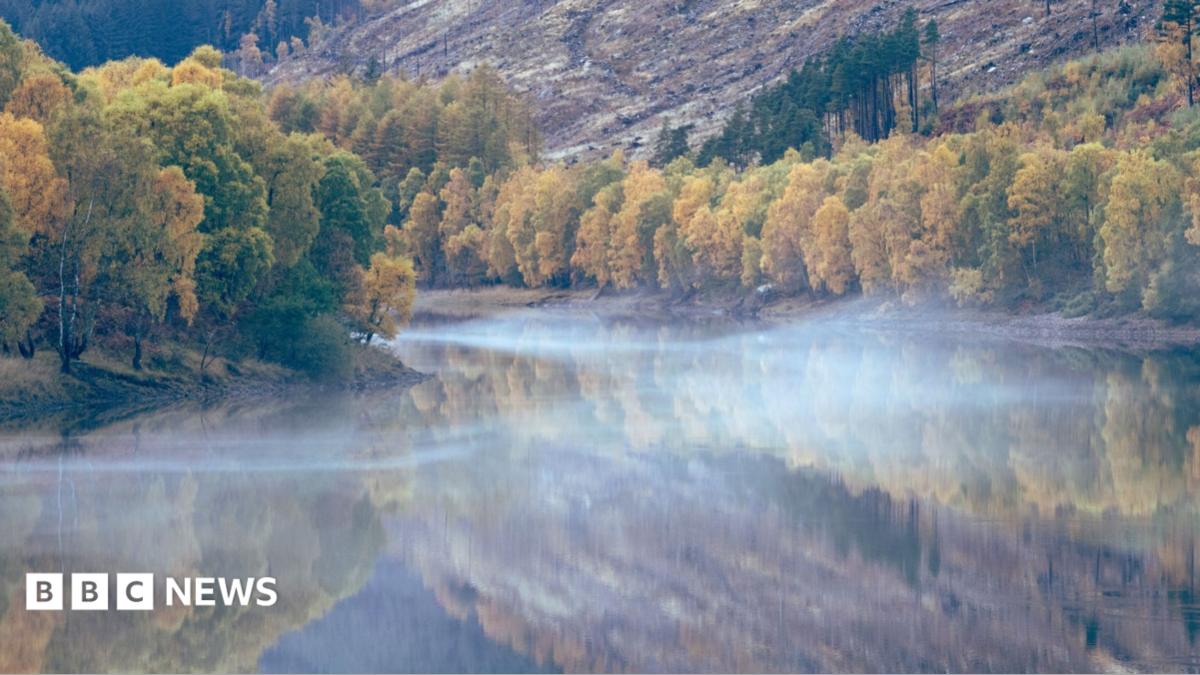
Featured image: Woodland in Torridon. The trees are in their autumn colours and reflected on a flat calm loch. A thin mist lies over the surface of the loch.. Via original publisher. Image source