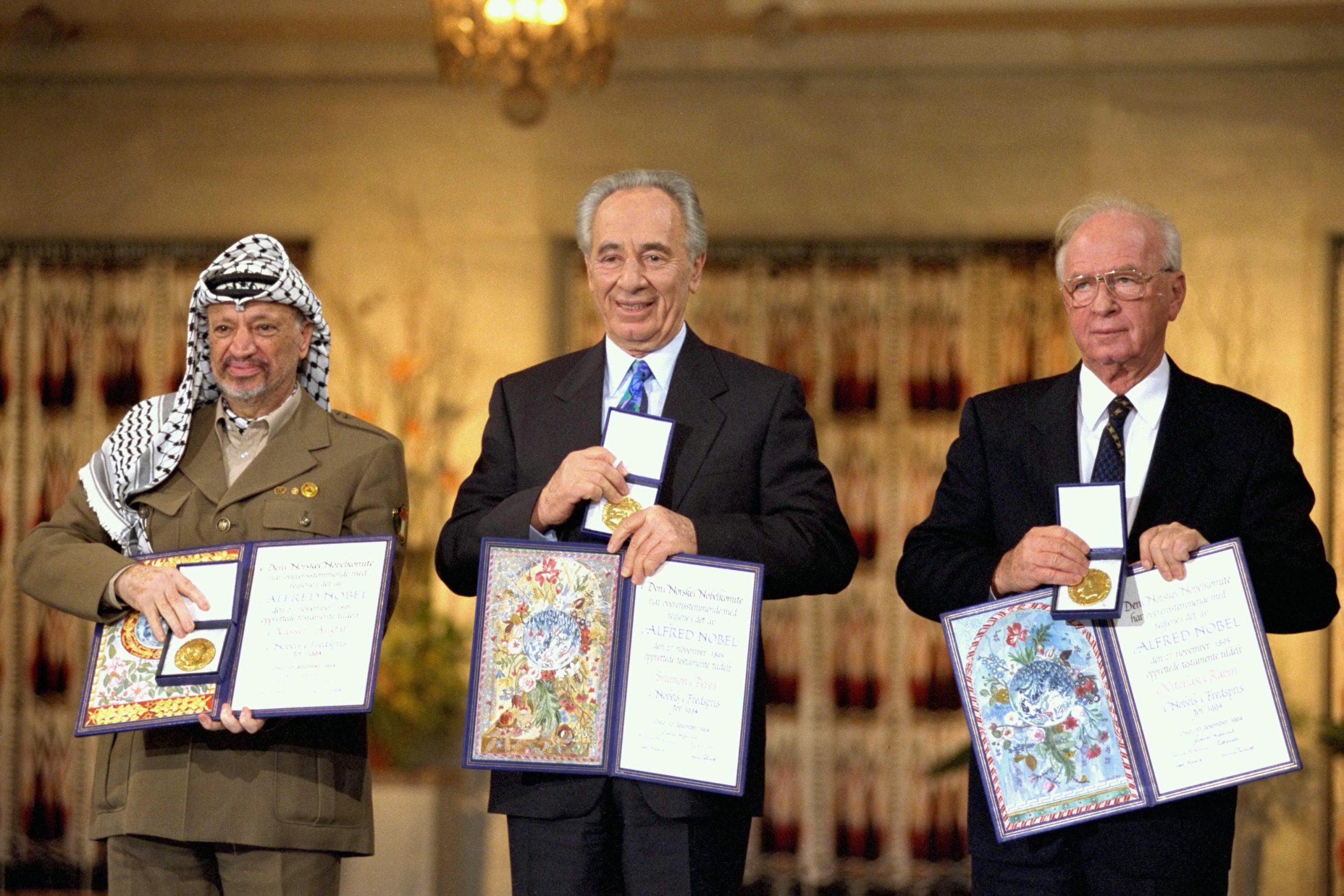
Navi Pillay, this year’s Nobel Peace Prize winner, has called US sanctions on the International Criminal Court ‘unheard of’ and ‘unacceptable’. Source: bbc.co.uk.
What Happened
The US announced sweeping sanctions against the ICC. These include a ban on US entities making financial transactions with the court.
The move follows criticism of past ICC actions, such as investigations into US military operations in Afghanistan and arrest warrants for Israeli officials.
The sanctions now target the ICC as an institution, not just individuals. This limits its financial operations significantly.
Key Facts
- The Trump administration announced the sanctions.
- US entities are barred from financial dealings with the ICC.
- The US claims the ICC threatens American sovereignty.
- Secretary of State Marco Rubio said the sanctions defend US sovereignty.
- A six-month grace period allows member states to continue funding the court.
Why It Matters
The sanctions challenge the rule of law and international legal cooperation.
Pillay said sanctions against judges for their rulings are unprecedented. She called the move ‘unheard of’ and ‘unacceptable’.
UN Secretary General Antonio Guterres called it a ‘serious blow’ to global criminal justice.
Canada, Germany, France, Italy, Japan, the Netherlands, and the UK all regret and oppose the sanctions.
What to Watch Next
Member states may respond during the six-month grace period.
There is no clear path for reversing the sanctions. The ICC has not taken formal action.
The US has not required the withdrawal of ICC warrants against Israeli officials before lifting the sanctions.
As of now, the ICC remains operational under member state funding.
Sources & further reading
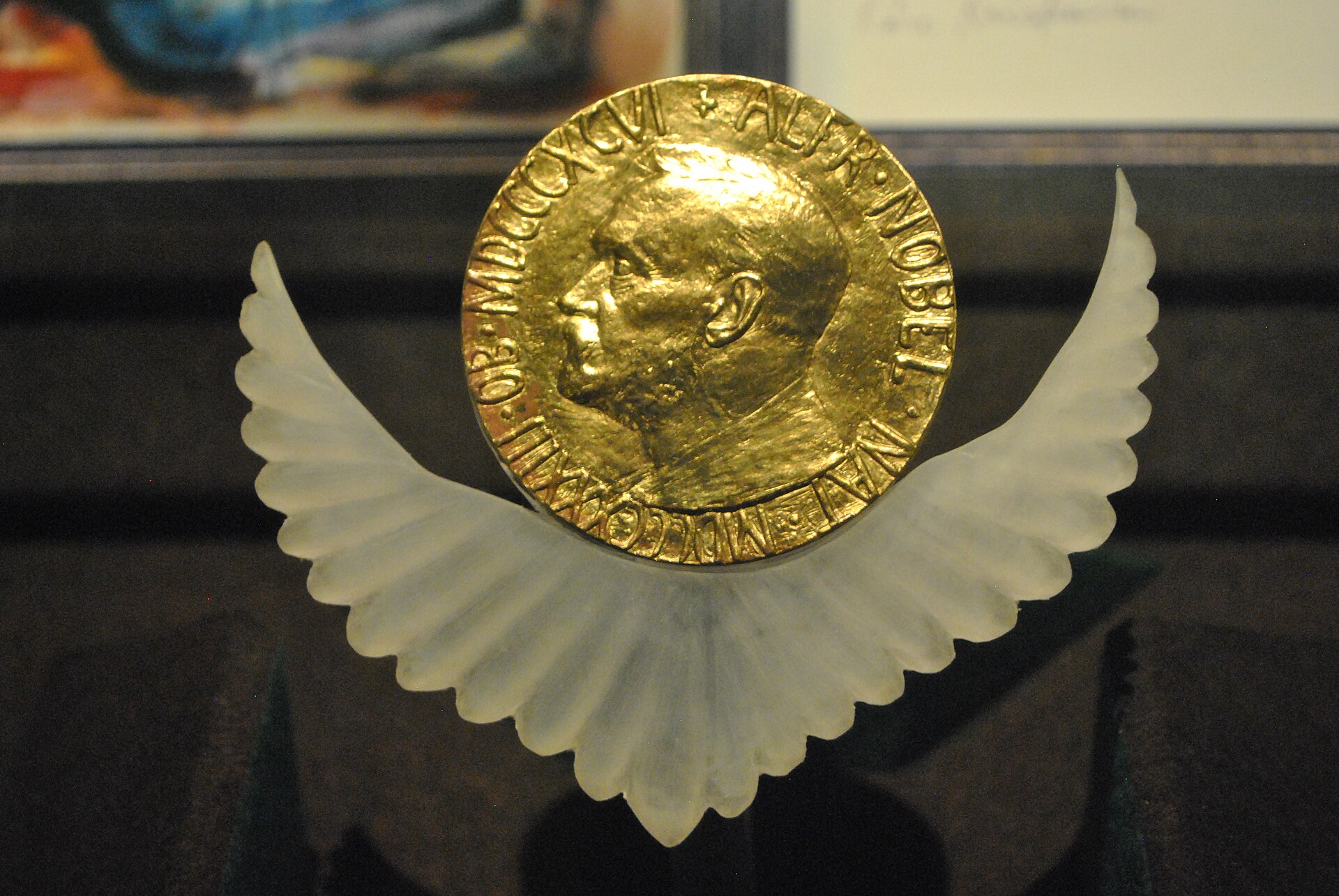
Featured image: Flickr – Government Press Office (GPO) – THE NOBEL PEACE… by Saar Yaacov, GPO, CC BY-SA 3.0, via Wikimedia Commons. Image source · License