The UK government has introduced new amendments to its Northern Ireland Troubles Bill. Source: bbc.co.uk.
What Happened
The bill was first introduced last year with Irish government agreement.
It is now being revised with new provisions for parliamentary debate.
A carry-over extension will happen on Tuesday. A small debate will follow, then a vote next week.
Key Amendments
- The Attorney General must approve all serious Troubles-related prosecutions.
- Commission and coroners must not equate lawful military conduct with paramilitary terrorism.
- Before approaching a witness, the Commission must assess if new evidence exists or if the witness can provide new information.
- The Commission must consider the context and command orders under which veterans operated.
- Former paramilitaries are barred from joining the Victims and Survivors Advisory Group.
- At least one veteran or veteran representative must be on the advisory panel.
- A statutory review will check if veteran protections are working as intended.
- Provisions prevent ‘cold-calling’ of veterans and allow remote attendance.
Background and Legal Framework
The bill replaces the 2023 Legacy Act.
That act’s immunity clause was found unlawful and was later removed.
The new bill creates a Legacy Commission, a separate information recovery body, and a dedicated legacy unit in An Garda Síochána.
Reactions from Stakeholders
David Johnstone, Northern Ireland Veterans’ Commissioner, says the changes are being reviewed carefully.
He notes that some aspects are positive—like decisions involving Westminster officials—but the Attorney General role is a political appointment.
He says: ‘We are not going to have a knee-jerk reaction. We need legal input and veteran consultation.’
Sinn Féin MP John Finucane called the amendments a ‘veterans’ charter’.

He says they risk giving preferential treatment to former British military members and block effective investigations.
Why It Matters
The bill aims to resolve the unresolved legacy of the Troubles.
It tries to balance accountability with protections for veterans and victims.
Limitations and Open Questions
Legal experts say the Attorney General’s role remains a complex and risky one.
It is unclear how these protections affect ongoing investigations or victim justice.
The bill does not include provisions for civil actions or inquests, which were banned under the 2023 Legacy Act.
What to Watch Next
The bill will move to the House of Lords after parliamentary debate.
Labour has faced criticism for delays and concerns over the bill’s content.
The full process will determine if the bill becomes law.
Source: BBC News, https://www.bbc.co.uk/news/articles/c8wy97794e7zo?at_medium=RSS&at_campaign=rss
Sources & further reading
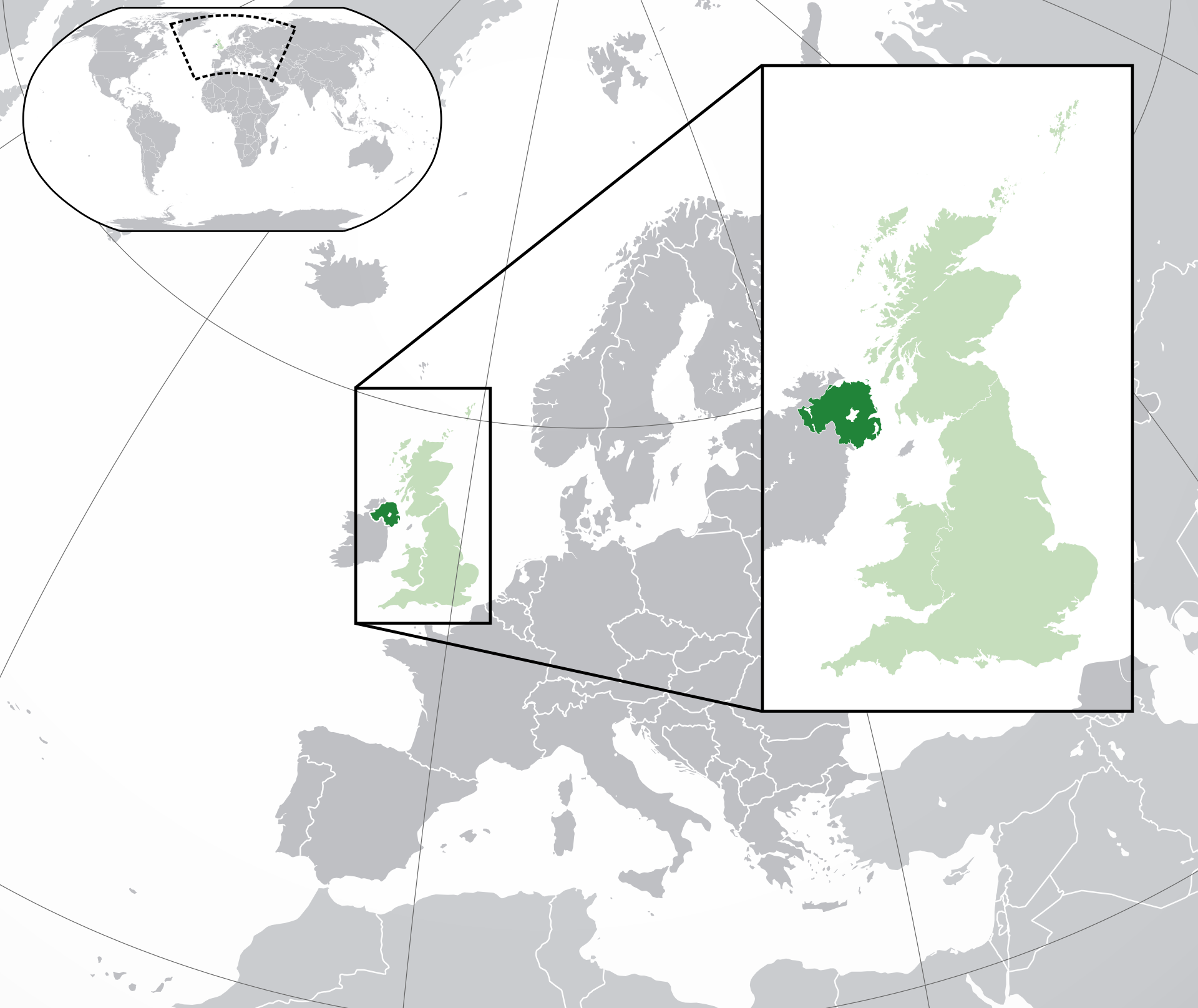
Featured image: Northern Ireland in the UK and Europe.svg by Blank map of Europe (with disputed regions).svg: maix…, CC BY-SA 3.0, via Wikimedia Commons. Image source · License