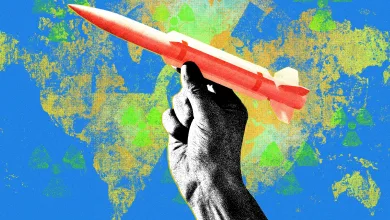
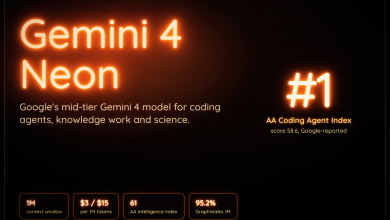
These figures show strong demand for Nvidia’s AI chips, especially in data centers and high-performance computing. Source: techcrunch.com.
What Happened in the Earnings Report
Nvidia executives said AI infrastructure is central to the company’s growth.
They noted that demand for GPUs like the H100 and H200 has grown sharply.
This growth comes from wider use of large language models, generative AI, and real-time analytics.
Despite the CEO change, the board says operations remain stable and consistent.
A senior executive said, ‘We make decisions based on data, scalability, and long-term readiness—not personal leadership.’
Another executive added, ‘We focus on executing the technology roadmap with precision and consistency.’
China Market Decision
Nvidia will no longer sell H200 chips in China.
This follows U.S. export restrictions on advanced semiconductors tied to national security.
The move matches broader U.S. efforts to limit high-end AI chips to countries with geopolitical tensions.
Analysts say this limits China’s ability to build independent AI infrastructure.
China has invested heavily in domestic chip manufacturing, but access to top AI hardware remains limited.
One analyst said, ‘China is designing its own high-end chips, but without Nvidia’s latest tech, progress will be slower and less efficient.’
Leadership Stance
Nvidia has rejected calls to bring Jensen Huang back as CEO.
Public appeals from figures like Elon Musk have been acknowledged, but no formal response was given.
Internal documents show the board chose stability over reversing the change.
A company spokesperson said, ‘Our leadership team is fully equipped to manage the company’s vision and execute its roadmap.’
When asked about a leadership review, the spokesperson said, ‘Any changes would be based on performance and strategic alignment—not public pressure.’
Why This Matters
This shows how leadership and governance shape high-growth tech firms.
AI leadership now involves more than technical skills—it includes ethics, politics, and operations.
The H200 ban in China shows how geopolitics is reshaping the global AI ecosystem.
Now, countries make strategic choices about which technologies they allow or restrict.
These choices affect innovation, collaboration, and competition.
One observer said, ‘The AI industry is no longer just a tech story—it’s a geopolitical one. These decisions shape the future of global innovation.’
Background: The Jensen Huang Scandal
Jensen Huang stepped down in early 2026 amid controversy.
No official statement confirms the full details, but reports suggest issues with governance, transparency, and board conflicts.
After stepping down, a new executive team took over, focusing on technical excellence and financial discipline.
No formal investigation has been launched. Nvidia has not released a full account of the exit.
A board member said, ‘We made a decision for stability and a clear path forward. The process was internal and confidential. We are not sharing specific details.’
What to Watch Next
- How Nvidia’s AI strategy evolves without Huang, especially under market and competitive pressure.
- Whether other AI firms face similar leadership or policy challenges as the industry grows.
- Global reactions to the H200 ban in China, including effects on AI development and investment.
- Any updates on Anthropic’s IPO and how it might change AI funding models—especially circular funding.
This episode shows how leadership shifts and geopolitical decisions intersect in the AI sector.
It also raises questions about governance, accountability, and long-term stability in tech leadership.
As AI infrastructure expands globally, such decisions will continue to shape innovation ecosystems and international tech relations.
Nvidia continues to stress performance and growth.
The company has not admitted wrongdoing or explained the leadership change in detail.
These developments reflect a broader trend: rapid AI innovation often outpaces institutional oversight.
As more firms enter the AI space, such decisions will become more common.
Sources & further reading
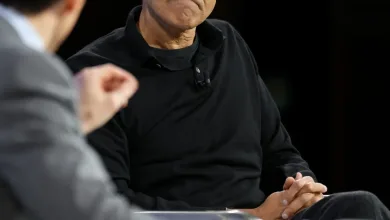
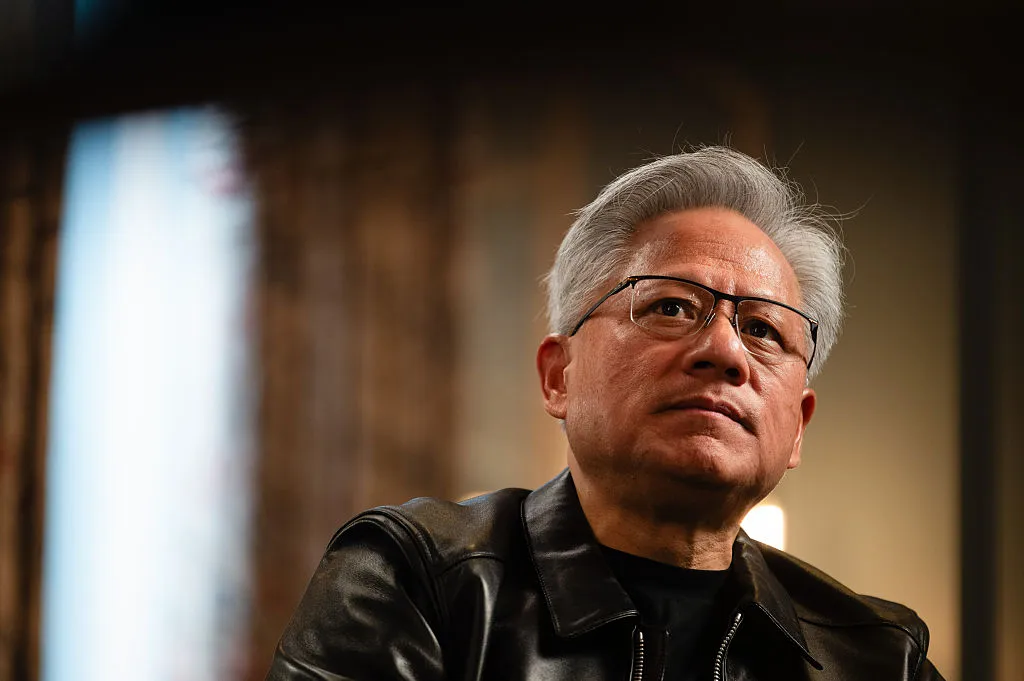
Featured image: Jensen Huang. Via original publisher. Image source