OpenAI has confirmed the retirement of its GPT-5.6 model, with a full deprecation scheduled for December 23, 2026. The move follows the launch of GPT-6.2, which is already being rolled out in the ChatGPT app.
What Happened
OpenAI officially announced the end of GPT-5.6 in a public post on X. The company stated that ‘every model has its day in the sun’ and that ‘for GPT-5.6, it’s time to set.’
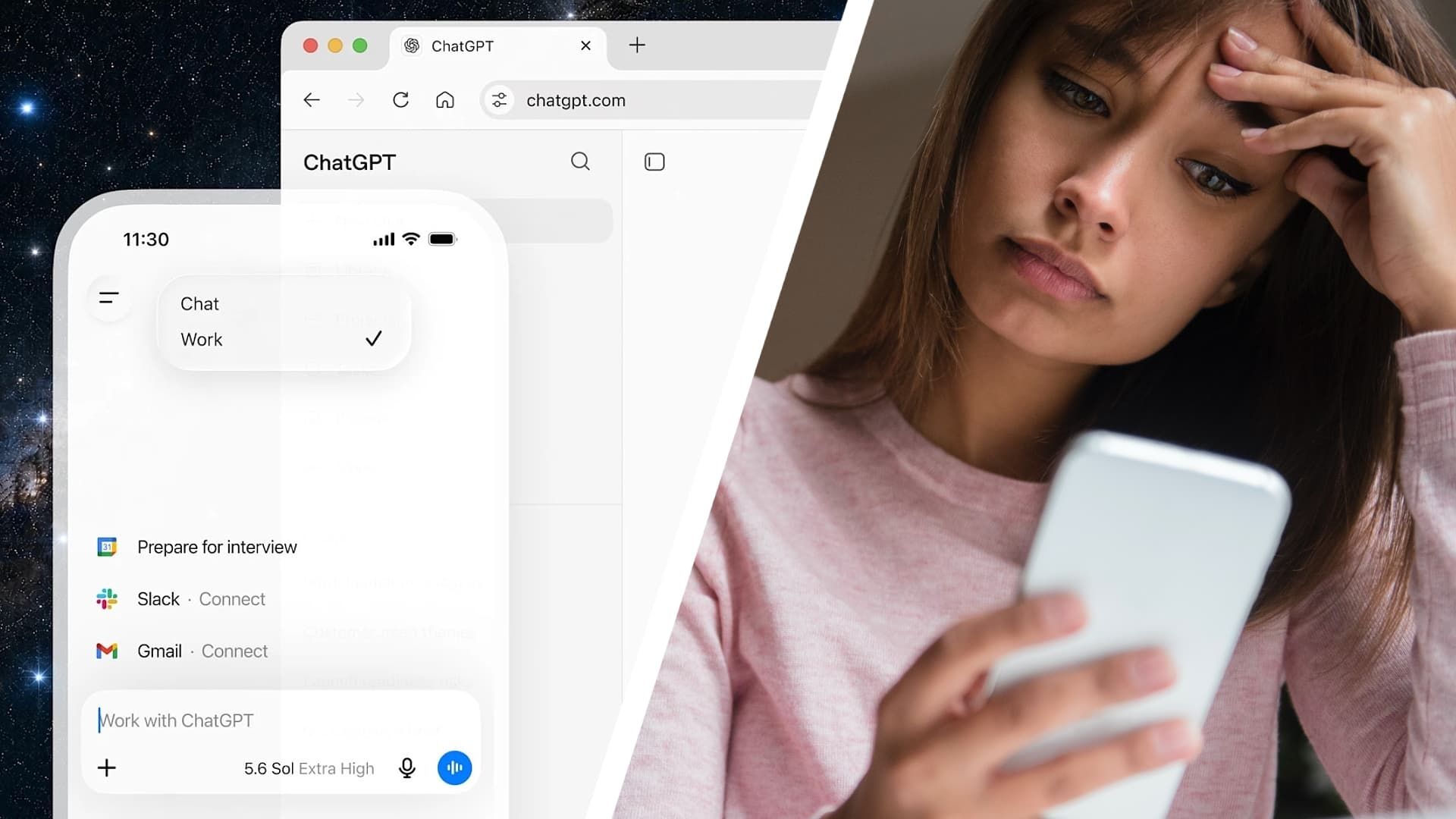
The retirement will affect both the Chat and Work modes of the ChatGPT platform. GPT-5.6 Sol and GPT-5.6 Terra will be removed from the ChatGPT Chat interface and from the Work and Codex environments on December 23, 2026.
Key Facts
- OpenAI plans to retire models two generations behind new releases. This ensures computing resources are freed for more capable models.
- The GPT-6.2 model is already being deployed in the ChatGPT app. It supports both general conversation and specialized tasks like code generation.
- Retirement date: December 23, 2026. This date is fixed and will not change.
- Models affected: GPT-5.6 Sol and GPT-5.6 Terra. These were widely used in personal and professional settings.
OpenAI says retiring older models frees up computing power. These resources are then used to support newer, more advanced models, improving access for more users.
Why Users Are Disappointed
Many users have reacted negatively. On X and Reddit, users express strong dissatisfaction with the shift from GPT-5.6 to GPT-6.2.
One user wrote: ‘I cannot overstate how bad a decision this is. Your other models are not even close to 5.6 on intelligence & nuance and I sadly will be canceling my pro sub.’
Another said: ‘Sol-5.6 is the only model usable for cybersecurity research. None of the new models come even close.’
On Reddit, users describe GPT-6.2 as ‘horrendous with its over-summarizations.’ Others say the retirement ‘is really going to suck’ and that ‘the 5.6 model really was the last great writing model.’
Background: OpenAI’s Model Lifecycle
OpenAI has a history of retiring older models. Past examples include GPT-4o, GPT-4.5, and several voice models.
Each retirement followed a similar pattern: a phased deprecation, justified by computational efficiency and performance at scale.
This strategy allows OpenAI to evolve its models without being locked into outdated systems.
Technical and Practical Impacts
The retirement does not mean GPT-5.6 failed. It reflects a strategic shift to newer, more efficient models.
Users in software development, research, and enterprise roles may find GPT-5.6’s reasoning and context handling superior to GPT-6.2’s.
There is no clear path for legacy access. Users may struggle to preserve ongoing work or maintain continuity in projects.
Open Questions and Limitations
OpenAI offers no official statement on whether GPT-5.6 will be available for research or backup use after retirement.
Specialized fields—like cybersecurity, legal analysis, and medical diagnostics—have raised concerns about disrupted workflows.
Users question whether GPT-6.2 truly improves on GPT-5.6 in nuanced writing, logical reasoning, or multi-step problem-solving. Without performance benchmarks, it’s hard to verify the upgrade’s value.
What to Watch For
Users will watch for updates on GPT-5.6’s legacy status. Questions about research access or model archiving remain unanswered.
OpenAI may respond to public feedback on GPT-6.2’s performance. If concerns go unaddressed, it could spark broader debates about AI transparency and user rights.
Future model releases will likely follow the same pattern—older versions retired after two generations. This approach is now standard in OpenAI’s roadmap.
For users relying on GPT-5.6 for technical writing, code analysis, or complex reasoning, the transition may require new workflows to maintain productivity.
More details about GPT-6.2 features are available in OpenAI’s official launch post and on TechRadar.
For insights into AI model performance, see the latest update from Baseten’s decision model index.
Sources & further reading
Featured image: GPT-5.6 Sol on a phone next to an image of a disappointed woman holding a smartphone.. Via original publisher. Image source