OpenAI has filed a countersuit against Apple, accusing the tech giant of unlawfully pressuring vendors and stealing trade secrets.
What Happened
After Apple sued OpenAI in summer 2026, OpenAI responded with a countersuit.
The new legal action, reported by Bloomberg, claims Apple pressured vendors to avoid working with OpenAI during the company’s preparations to enter the hardware market.
It also alleges that Apple used broad employment restraints to limit OpenAI’s access to skilled engineers.
OpenAI specifically accuses Apple of stealing its trade secrets, citing incidents where candidates were asked to bring Apple hardware components to interviews and instructed on how to bypass security protocols.
Background: The Apple-OpenAI Partnership
In 2024, Apple and OpenAI partnered to integrate OpenAI’s ChatGPT into Apple’s Siri.
That collaboration was a significant step in combining AI capabilities with Apple’s ecosystem.
Since then, the relationship has deteriorated, culminating in a legal battle over intellectual property and market access.
Apple’s Response
Apple has dismissed OpenAI’s countersuit as a distraction.
According to the Financial Times, Apple says the lawsuit is designed to divert attention from its core claim: that OpenAI has already been ordered to stop using Apple’s confidential information.
OpenAI has denied any interest in Apple’s trade secrets, stating it has no intention of accessing or exploiting proprietary data.
Key Facts
- Apple sued OpenAI in summer 2026 over alleged trade secret theft.
- OpenAI filed a countersuit in November 2026, claiming Apple unlawfully pressured vendors.
- The suit alleges Apple used employment restraints to block OpenAI’s access to engineers.
- Apple claims OpenAI was given access to confidential data during interviews.
- OpenAI denies any intent to use Apple’s trade secrets.
Why It Matters
This legal conflict reflects a broader tension in the tech industry over access to hardware, talent, and proprietary data.
As AI moves into hardware development, companies are increasingly at odds over how to share or protect sensitive information.
The case may set a precedent for how AI firms navigate partnerships with hardware leaders.
Limitations and Open Questions
There is no public evidence that Apple’s actions directly harmed OpenAI’s development efforts.
The claims are based on allegations, not proven facts.
Both sides have not provided detailed evidence or legal documents to support their claims.
The case remains in early stages, with no court rulings yet.
It is unclear whether the legal battle will impact future AI-hardware collaborations.
Further developments will depend on court decisions and disclosures.
For now, the dispute remains a legal standoff, not a public or market disruption.
More information is available in the original report from TechCrunch.
Sources & further reading
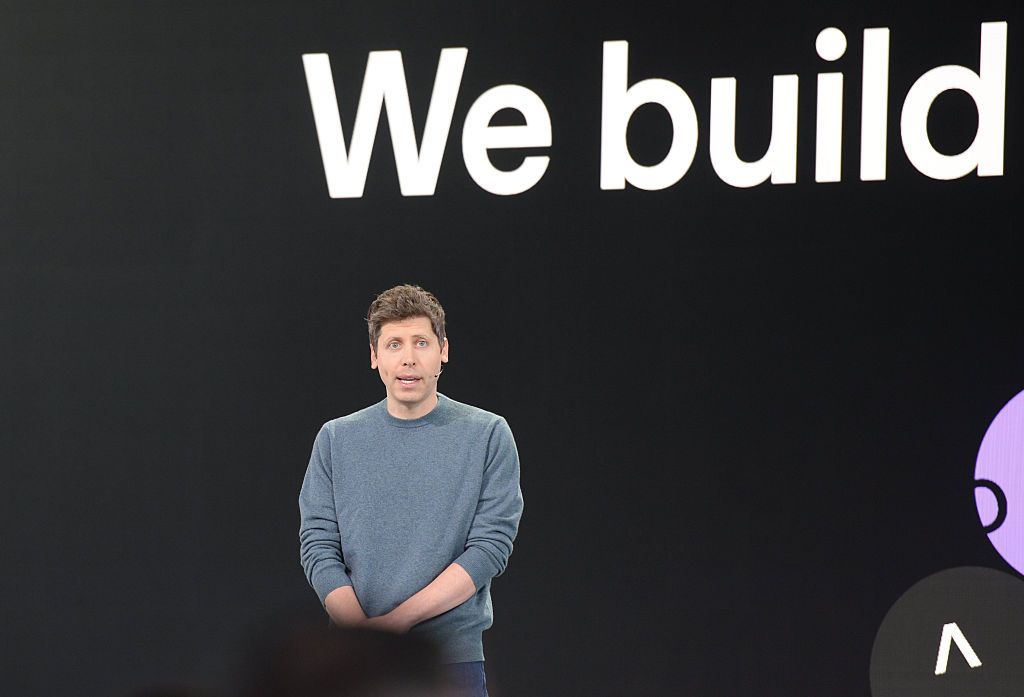
Featured image: 29 September 2026, United States, San Francisco: Sam Altman, CEO of OpenAI, the developer of ChatGPT, is speaking at the AI company's developer conference. Photo: Andrej Sokolow/dpa (Photo by Andrej Sokolow/picture alliance via Getty Images). Via original publisher. Image source