Manchester United faced a chaotic Champions League match against Sporting Lisbon on Wednesday night, ending in a 2-2 draw. The game sparked debate over officiating decisions, with head coach Mauricio Pochettino questioning the fairness of key calls. Source: theguardian.com.
Key Decision Under Scrutiny
Amad Diallo’s first-half goal was disallowed after referee Szymon Marciniak ruled that Youri Tielemans had fouled Gonçalo Inácio just before the end of the half. The incident occurred in a tight moment of the match, where the positioning of players and the flow of play made it difficult to assess whether the foul was intentional or incidental. Tielemans was shown a yellow card during the first half. He received a second yellow in added time, leading to a red card and his dismissal. This brought United to 10 men for the final 10 minutes of the match.
Red Cards in a Row
United’s fifth red card in nine games followed this incident. The red card came after Leny Yoro’s dismissal in Sunday’s 4-0 loss at Liverpool, which was later rescinded. Pochettino described the sequence of decisions as ‘difficult to understand’ and ‘impossible’ to justify on the field. He emphasized that such decisions have a significant impact on team dynamics, especially in high-pressure matches where every possession and decision is magnified.
Chaos in the Final Minutes
With 10 minutes left, United led 2-1. Senne Lammens dropped a high cross, allowing Luis Suárez to equalize with a bicycle kick. Lammens saved a first-half penalty from Suárez but then conceded another, which Suárez converted. The sequence of events highlighted the vulnerability of a team under pressure, particularly when defensive coordination is compromised by lapses in communication or positioning.
Team Response and Support
Pochettino defended his players, stating football involves mistakes. He said the team’s defensive structure was strong and that improvements in small details were helping build consistency. He added that players must take responsibility for their actions and that the team must work on habits in both defense and offense. These habits, he explained, are not just about physical execution but also about mental preparation and decision-making under stress.
Joshua Zirkzee Offers Support
Striker Joshua Zirkzee backed Lammens, calling the team a ‘family’ where no one suffers alone. He said mistakes happen and the team will move forward. Zirkzee did not blame the referee, stating the team should be capable of winning even under pressure. He emphasized that the locker room culture is built on mutual support and accountability, which helps players maintain composure during adversity.
What the Match Reveals
The game highlights the role of officiating in high-stakes matches. It also shows how players and coaches respond to pressure and criticism. While United lost the match on the scoreboard, Pochettino praised the team’s structure and emphasized the importance of small, consistent improvements. The incident underscores broader challenges in elite football—how decisions are made, how teams react, and how pressure affects outcomes.
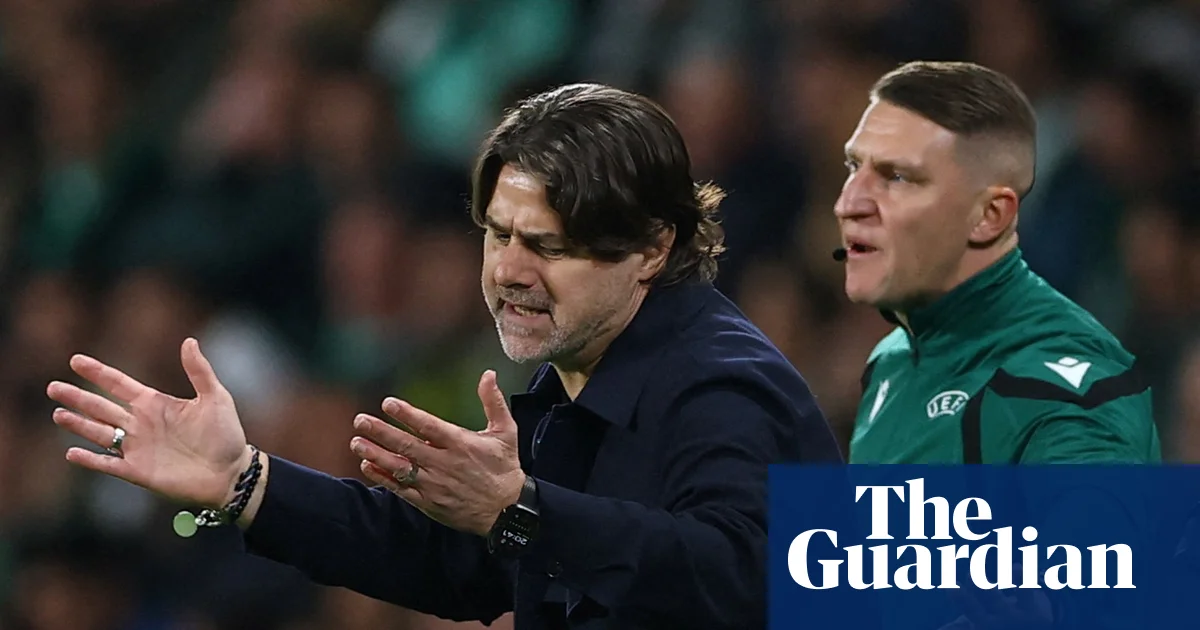
Despite the chaotic end, Pochettino remained focused on the team’s development. He noted that the structure of the team, built through consistent training and micro-level adjustments, remains a key strength. These small, incremental improvements are what allow a team to maintain composure and resilience in the face of adversity.
For more on refereeing decisions in the Champions League, see Pochettino Criticises VAR Red Card Decision in Liverpool Loss.
Explore the live match coverage at Sporting v Manchester United: Champions League – Live.
For details on United’s January transfer plans, visit Man Utd Reach Decision on Pochettino Budget for January Transfer Window.
These incidents follow a pattern of red card controversies in recent matches. The official decisions remain under scrutiny, with players and coaches calling for clarity and consistency.
While Pochettino did not accuse the referee directly, he expressed concern about the impact of such calls on team dynamics and performance. The incident reflects a broader conversation about the role of referees in elite football and the need for transparency and consistency in decision-making.
Sources & further reading
Featured image: original publisher image. Via original publisher. Image source