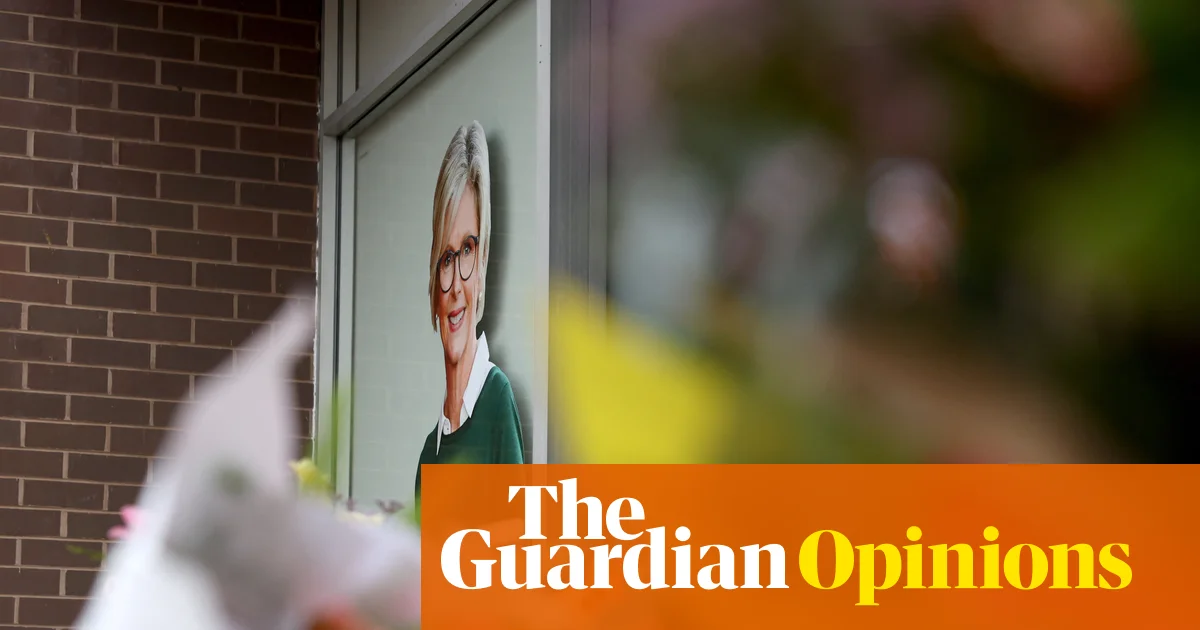
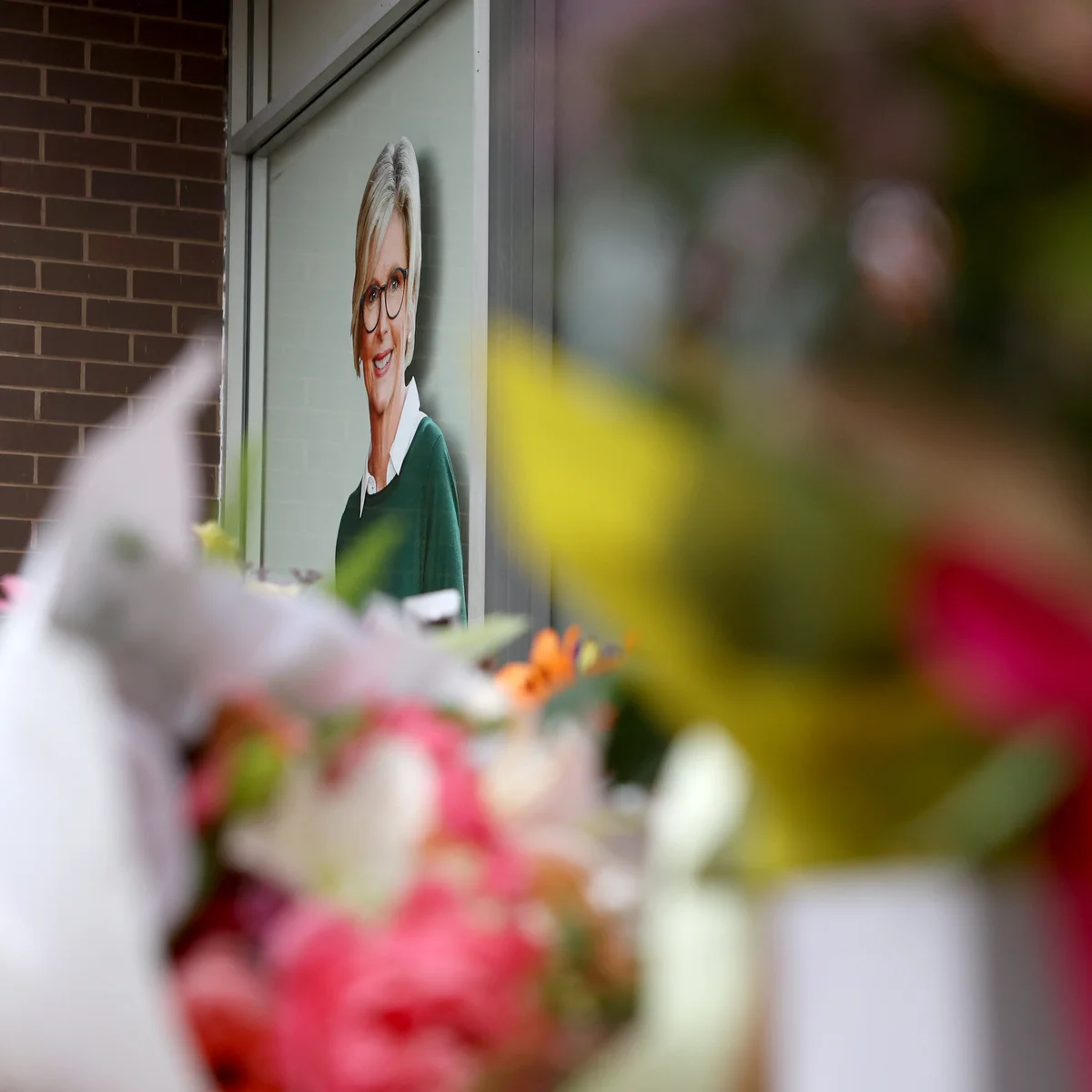
Julianne Schultz’s column examines the cultural climate in Australia following the alleged attack on MP Helen Haines. The piece does not focus on the incident itself, but on the broader social environment that has enabled such violence to occur.
What Happened
After news of the alleged attack on MP Helen Haines emerged, Australian leaders quickly responded with reassurances: this is not who we are. The prime minister and others said it was not the way Australians behave.
Yet within hours, online backlash began. Critics accused the victim of being targeted because she is a woman. The perpetrator was identified as a political activist. Other female MPs shared stories of threats, abusive letters, and online harassment.
Even the governor general, Sam Mostyn — the second woman to hold the office — expressed concern after receiving abusive comments following a public call for kindness and respect. She said: ‘Women across the country know that there are certain things that are reserved for women … that go to our gender and they are often vicious and just despicable.’
Background: A Growing Climate of Hostility
The attack did not happen in isolation. For years, a climate of hostility toward women has been growing in public discourse. This is especially evident in political and online spaces.
Women in leadership roles — particularly female MPs — are frequent targets. Many have reported receiving threats, letters, and verbal abuse. Some have described feeling unsafe walking to or from their offices at night.
Online, the abuse is often extreme. It includes expletives, caps, and emojis that amplify anger. These messages are not just personal; they reflect a broader pattern of dehumanizing language used against women.
The report found that the most common forms include threats of violence, doxxing, and the spread of false personal information. These incidents often occur in response to public statements or policy positions, particularly those that challenge traditional gender roles or advocate for greater gender equity.
One MP described how after a speech on workplace equality, she received a letter with a threatening note, followed by a series of messages on social media that included graphic depictions of violence and references to her family. Another reported that a man walked into her office and shouted, ‘You’re not supposed to have power — that’s not how it works.’ These experiences are not isolated. They are part of a pattern that has intensified over the past decade, coinciding with the rise of social media and algorithm-driven content.
Why This Matters
The incident reveals a deeper issue: how digital communication systems amplify anger and outrage. These platforms are designed to maximize engagement, not promote civil discourse.
As the case between Meta and dozens of US states showed, this is not about freedom of speech. It is about algorithms that prioritize outrage over truth. The system profits from emotionally charged content, regardless of its consequences.
While Australia still frames online speech as a matter of freedom, the reality is different. The country lacks constitutional protection for free speech, and public discourse is increasingly shaped by algorithms that spread division.
Historically, media leaders in the 1940s were warned that unchecked promotion of lies and divisive content could lead to government regulation — even of the First Amendment. That threat prompted industry reforms to protect public trust.
Today, the same threat exists. Public communication is not a private business. It shapes how people see each other, how institutions are trusted, and how democracy functions.
Systemic Challenges
The virus of online hostility has evolved. It began with the idea that women should be confined to domestic roles. Over time, it has mutated — targeting capable, intelligent women, especially those in public office.
Even good men have found it hard to protect their children from this culture. The consequences are visible: rising rates of domestic violence, increased threats against vulnerable groups, and more violent exchanges online and in person.
Political leaders have responded with security upgrades. According to ABC News, some MPs are now paying thousands for personal security. This reflects a growing sense of vulnerability, not just for women, but for all who speak publicly.
The study also noted that many felt their safety was compromised not just by physical threats, but by the psychological toll of constant online scrutiny and public criticism.
What Needs to Change
Simply saying ‘we should be nicer’ is not enough. The system must be restructured to prevent hate from spreading.
Regulation is essential. This includes penalties for platforms that allow or profit from harmful content. The goal is not to silence speech, but to ensure that public discourse serves humanity, not profit.
As Schultz writes, the new normal in public communication is one of hostility. It is a climate that has been growing for years — one that is not just about individuals, but about the design of digital systems.
Without serious action, this climate will continue to erode trust in institutions and deepen divisions in society.
For Australia, this is not just a matter of gender equality. It is a matter of democratic integrity. When public figures are threatened, and women are targeted, the entire foundation of civil society is at risk.
Read more about the case of Helen Haines and the broader issue of social media violence in Australia at Social Media Violence in Australia: The Case of Helen Haines.
Further context on rising threats to politicians can be found at ABC News: Helen Haines Attack Threat to Democracy.
For a deeper analysis of how digital platforms amplify hate, see The Guardian: Helen Haines – What We Are.
Sources & further reading
Featured image: original publisher image. Via original publisher. Image source