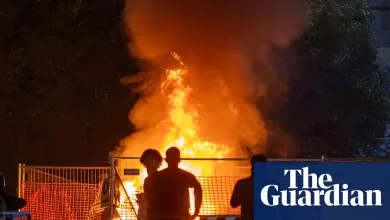
Thousands of people are continuing protests across Spain, after Congress rejected a series of measures aimed at tackling the country’s housing crisis. The demonstrations have intensified in recent days, with marches now scheduled in Madrid, Barcelona, and other major cities, reflecting a growing national concern over rising rental costs and the erosion of housing security.
What Happened
The Spanish Congress voted on two decree-laws presented by government in response to nationwide protests that followed the eviction of Maricarmen Abascal from her home. Abascal was evicted after she was unable to pay a rent increase by the company that owns her flat. The case triggered a broader movement across the country demanding affordable rentals, which have soared in recent years.
The BBC’s Guy Hedgecoe is at one of the protests in Madrid and looks at whether the government’s defeat will lead to an early general election.
Key Facts
- Protests have spread nationwide, with marches scheduled in Madrid, Barcelona, and Valencia.
- The government’s proposed reforms were rejected by Congress, indicating strong public resistance.
- Private landlords, often operating with minimal oversight, have been identified as key drivers of rent inflation.
- Public housing availability remains low, with only a small fraction of urban housing units designated for low-income residents.
Background: How the Crisis Developed
Over the past decade, rental prices in Spain have risen sharply, outpacing income growth. In cities like Madrid and Barcelona, rent increases have averaged a significant percentage annually, far exceeding inflation and wage growth.
Many low- and middle-income households now struggle to afford rent, especially in high-demand urban areas. The lack of affordable public housing options has deepened the crisis, leaving vulnerable populations with few legal or financial safeguards.
Why It Matters
The protests reflect growing public frustration with housing affordability and inequality. The incident involving Abascal has become a symbolic case, resonating with people who fear being displaced from homes they have lived in for generations.
While the government has not yet proposed a comprehensive solution, the scale of public mobilization suggests political pressure is mounting. The situation could influence the political agenda ahead of the next general election.
Limitations and Open Questions
There is no official announcement of a snap election. It is unclear how much political momentum will translate into concrete policy changes.
Public protests may continue, but their long-term impact on legislation remains uncertain. Legal experts note that current housing laws offer limited protection for tenants facing eviction due to rent increases.
What to Watch Next
Protests are expected to continue in Madrid and other urban centers. Political leaders may respond with new proposals or statements in the coming days. The BBC’s Guy Hedgecoe is reporting from Madrid, where the situation remains dynamic.
Source: BBC News, Will Spain’s housing crisis lead to a snap election?
Sources & further reading
Featured image: Mayor Eric Adams on New York's Housing Crisis and Agenda.flac by NYC Mayor's Office, CC BY 3.0, via Wikimedia Commons. Image source · License
Featured image: Spain's Economic Crisis Sparks Catalonia Independence Drive.webm by VOA News, Public domain, via Wikimedia Commons. Image source