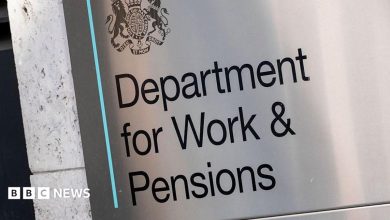
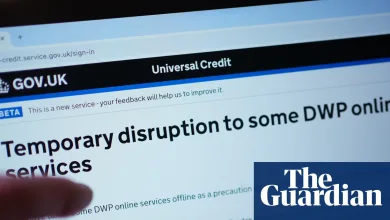
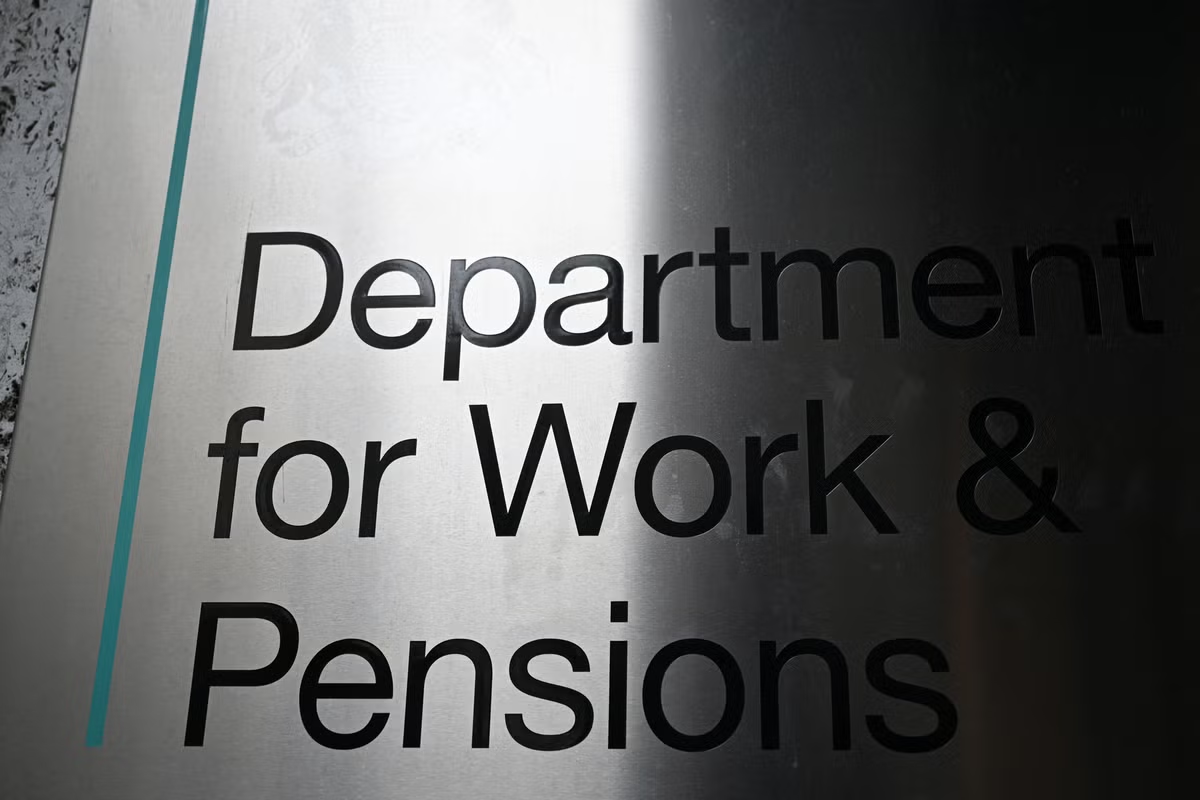
Britain’s benefits system faced a major cyber incident this week, as the Department for Work and Pensions (DWP) shut down its online services amid suspected unauthorized access.
Officials confirmed on Saturday that unusual activity was detected on Thursday. This prompted a precautionary shutdown of public-facing portals on Friday. Internal systems were restored by Saturday afternoon. But access to online benefit applications and personal journals remains suspended.
This disruption affects millions of individuals. It includes the UK’s 8.4 million Universal Credit claimants. These people rely on digital platforms to manage payments and track support.
What Happened: A Series of High-Profile Breaches
The DWP incident is part of a broader wave of cyber disruptions. These have affected governments, intelligence agencies, and major businesses across the US and Europe in recent weeks.
- UK former chief technology officer David Knott strongly suspected a cyber attack. The unusual activity triggered immediate action to protect the system.
- US Treasury’s Financial Crimes Enforcement Network (FinCEN) took parts of its network offline. This followed a potential breach. It led to extended filing deadlines for financial institutions.
- The CIA’s unclassified system was compromised earlier this week. Officials confirmed no sensitive or classified data was affected. A full forensic review is underway.
- US air traffic control centres failed earlier this month. This caused a nationwide ground stop lasting over four hours. Officials found no evidence of a cyber attack. The failure stemmed from outdated copper-wire infrastructure and poor maintenance.
- Fifa confirmed a breach of a limited set of personal and business records. The Handsome Boy Hacking Club claimed responsibility. It said it stole over 12 gigabytes of data. This included identity, financial, and legal documents. The attackers used impersonation to gain access.
- British meat suppliers reported refrigeration units heating up overnight. This followed a targeted attack on shared supply-chain software. The incident shows how digital flaws can cause physical disruptions to food storage.
- British fashion retailers Next and Asos reported security incidents. These involved limited access to customer or corporate data. The breaches highlight retail networks’ vulnerability to cyber threats.
- A major Microsoft outage earlier this month disrupted Outlook, Teams, and cloud services. The tech giant blamed a technical issue, such as a misconfigured update. It was not a cyber attack or AI-driven intrusion.
Key Facts and Responses
Work and Pensions Secretary Pat McFadden said the government acted swiftly. He stressed that welfare payments continued uninterrupted. This ensures public trust during system failures.
GCHQ’s National Cyber Security Centre (NCSC) and the Government Cyber Co-ordination Centre are investigating. They are working with the DWP to assess the breach. A joint task force is evaluating entry points and system weaknesses.
Fifa’s breach was claimed by the Handsome Boy Hacking Club. It used phishing emails and fake credentials. This shows how social engineering remains a key attack method. Fifa is reviewing access protocols and working with law enforcement.
Meat suppliers say the refrigeration issue came from a supply-chain software attack. This shows how one digital flaw can affect physical operations. It impacts food distribution and public services.
Why It Matters: Digital Infrastructure Under Pressure
Public services like welfare depend on digital systems. These systems are increasingly vulnerable to cyber threats. When they fail, people face financial stress and loss of trust.
As AI advances, hackers may use it to automate attacks. They could identify software flaws faster. Experts warn AI might soon break encryption used by banks and governments. This remains a long-term risk.
AI tools are now used to detect anomalies. These could be exploited to predict and attack system weaknesses before patches are applied.
Earlier this month, the UK government launched its ‘Be Ready’ campaign. It urges citizens to have three days’ worth of supplies. This is in case of cyber attacks or severe weather.
Dame Chi Onwurah, chair of the Commons Science and Technology Committee, called the DWP incident a ‘wake-up call’. She said public bodies hold citizens’ data in trust. This demands the highest standards of data hygiene and system resilience.
She urged the government to fix digital infrastructure weaknesses. It should include redundancy, fail-safes, and clear incident response plans.
Limitations and Open Questions
There is no public confirmation if the breach was part of a coordinated campaign. The lack of transparency makes it hard to assess a broader threat.
Officials have not ruled out that some incidents—like air traffic control—were due to technical issues. This distinction is vital. It affects how resources are allocated and how cybersecurity is prioritized.
There is limited public data on how widespread the attacks are. It’s unclear if similar vulnerabilities exist across sectors. Without audits and transparency, it’s hard to know if these are isolated or part of a pattern.
What to Watch Next
Security experts will monitor whether the DWP incident leads to broader reforms. Possible changes include mandatory cybersecurity audits and better incident reporting.
Investigations into the CIA, FinCEN, and Fifa breaches may reveal attack patterns. As AI tools grow in use, automated, large-scale attacks will likely increase. Proactive defenses will become more critical.
Source: The Independent
Sources & further reading
Featured image: original publisher image. Via original publisher. Image source