Ukraine’s president sharply criticised the move, calling it an ‘investment in war that must be ended, not prolonged’. Source: bbc.co.uk.
What Happened
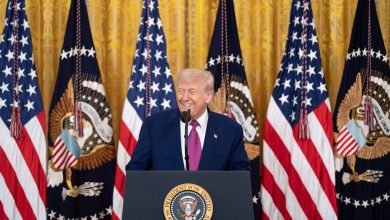
Trump announced the deal on his Truth Social platform, stating that Russian President Vladimir Putin had agreed to release diesel for the American and global markets.
Further deliveries were promised, with the U.S. Treasury issuing a temporary licence allowing Russian diesel into the market, suspending sanctions on exports until 7 April.
Key Facts
- Trump claims Putin agreed to supply diesel to the U.S. and global markets.
- Putin confirmed Russia’s willingness to supply oil and petroleum products, but did not specify quantities.
- U.S. sanctions on Russian assets in American banks remain in place.
- Trump said a further quantity of diesel would be delivered, depending on the condition of Russian refineries.
- Ukraine’s President Zelensky called the deal an ‘investment in a war that must be ended, not prolonged’.
Background: Fuel Shortages and Sanctions
Russia has faced severe fuel shortages this year due to Ukrainian drone strikes on its oil refineries.
The International Energy Agency estimates Russian diesel production has fallen by nearly 30%.
Trump has blamed these attacks for rising fuel prices, though Ukraine defends them as a response to years of Russian attacks on its energy infrastructure.
Why It Matters
The move draws strong criticism from European allies, who see it as easing pressure on Russia.
EU foreign affairs chief Kaja Kallas said suspending sanctions ‘provides Moscow with more revenues to wage war’.
She stated European foreign ministers are preparing the largest sanctions package since the start of the full-scale invasion.
The UK government reaffirmed its stance, saying it will maintain the toughest sanctions regime ever imposed and support efforts for lasting peace.
Limitations and Open Questions
Analysts question whether Russia can deliver the promised volumes.

Investment strategist Tim Armitage at Quilter Cheviot said the first tranche equates to about 2.25 million barrels—less than a day’s U.S. diesel consumption of 3.8 million barrels.
Experts say the deal is unlikely to meaningfully affect U.S. fuel prices.
There is no clear explanation of how the diesel will be supplied to the global market.
What to Watch Next
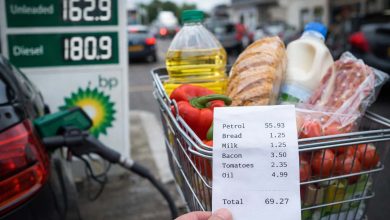
The U.S. faces growing political pressure ahead of the midterms, with Trump seeking to reduce fuel prices to ease public discontent.
He has also proposed ending the federal gasoline tax and allowing red dye diesel on highways without tax.
Trump has pushed G7 nations to release 100 million barrels of oil and diesel from stockpiles, showing broader efforts to manage supply.
Ukraine continues to defend its actions, stating it will not retaliate with attacks on Russian refineries unless Russia destroys Ukrainian energy infrastructure.
The BBC has asked the White House what Russia will receive in return for the deal. As of now, no official response has been provided.
For more on U.S. energy policy and international relations, see our coverage on the original report.
For updates on global energy markets and U.S. fuel prices, visit our Businesses & Economy section.
For insights on Ukraine’s energy sector and conflict response, explore our World News coverage.
Sources & further reading
AI-generated illustration.