The U.S. has appointed Kirsten Davies as Acting National Cyber Director, marking a shift toward industry expertise in the nation’s cybersecurity leadership.
What Happened
President Trump named Kirsten Davies to the role of Acting National Cyber Director. The appointment was announced in a public statement, citing the need for experienced leadership amid recent cyber outages and heightened geopolitical tensions.
Davies brings over two decades of experience in the private sector, including roles at major technology firms and cybersecurity consultancies. She has worked directly with organizations managing critical infrastructure and digital operations.
Key Facts
- Davies was appointed as Acting Director, not a permanent appointee, pending confirmation by the Senate.
- Her background includes leadership in private-sector cybersecurity, not prior government service.
- The move follows a series of high-profile cyber incidents in U.S.
- Her appointment signals a broader trend of prioritizing industry professionals over traditional government appointees in cyber roles.
Background: How the Role Works
The National Cyber Director is a senior position within the U.S. government, responsible for coordinating cybersecurity efforts across federal agencies, private partners, and international allies.
Previously, the role has been filled by officials with backgrounds in defense or intelligence. The current appointment reflects a growing emphasis on operational experience in real-world cyber incidents.
has seen multiple major outages in federal systems, including disruptions to energy grid monitoring and defense communications. These events have raised concerns about the effectiveness of current cyber governance.
Why It Matters
By selecting an industry veteran, the administration is signaling a move away from purely bureaucratic or military-style approaches to cyber leadership.
Experts say this could improve responsiveness to real-time threats. Industry professionals often have access to tools, threat intelligence, and incident response protocols that differ from traditional government frameworks.
It also reflects a broader trend in U.S. policy: increasing reliance on private-sector expertise to manage digital infrastructure.
Limitations and Open Questions
There are no official statements on how Davies will coordinate with existing federal agencies. The role remains largely unstructured in terms of authority or reporting lines.
Her appointment is temporary. A permanent nomination would require Senate confirmation, which may take months or longer.
Some cybersecurity analysts have questioned whether a private-sector professional can fully represent the interests of government agencies, especially in matters involving national security.
There is no public record of Davies having worked on classified systems or intelligence operations, which may limit her scope of influence in sensitive domains.
What to Watch Next
Observers will be watching how Davies interacts with federal agencies such as CISA and the Department of Homeland Security.
Any public statements or policy initiatives she launches will be closely monitored for signs of a new approach to cyber governance.
Her performance will also be evaluated in light of the ongoing cyber threat landscape, including ransomware attacks and state-sponsored intrusions.
For more on the evolving role of cybersecurity in U.S. policy, see the original report from Dark Reading.
Sources & further reading
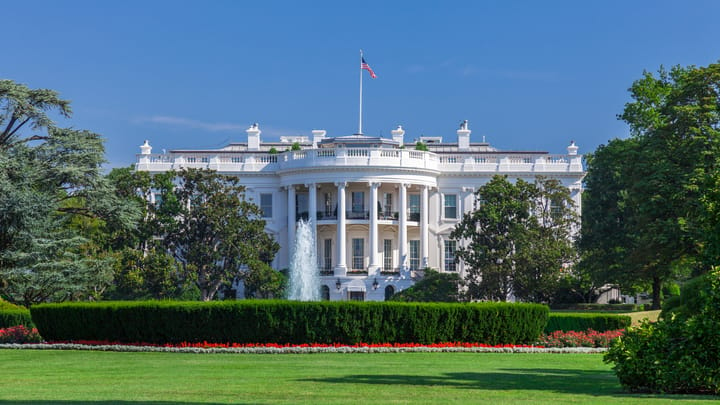
Featured image: white_house-uschools-GettyImages-160196566.jpg. Via original publisher. Image source