UN experts express disappointment over blocking of childbirth safety bills in Australian parliament.
Human rights experts from the United Nations say they are disappointed that major political parties in Australia blocked legislation to ban shackling during childbirth and strip-searching children.
What Happened
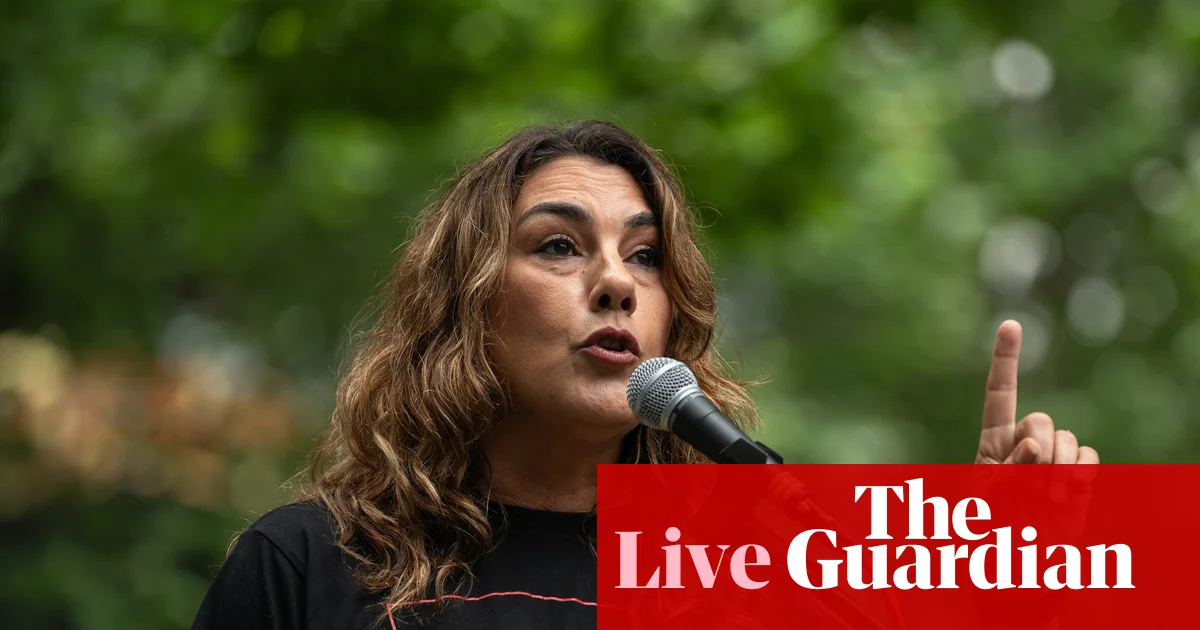
Independent senator Lidia Thorpe introduced the bills in the Senate.
Both the Labor Party and the Coalition voted against moving the bills forward.
The UN human rights council’s special procedures experts say Aboriginal and Torres Strait Islander women and children are most affected by these practices.
Key Facts
- The bills aimed to protect the bodily integrity and dignity of women and children in detention.
- They specifically targeted shackling during childbirth and strip-searching of children in custody.
- Senator Lidia Thorpe introduced the legislation in the Senate.
- Both major parties—Labor and the Coalition—blocked the bills from advancing.
- The UN experts said parliament missed a formal opportunity to address these human rights issues.
Background: Why the Bills Matter
Shackling pregnant women during childbirth has been reported in some Australian correctional facilities.
Such actions threaten medical safety and bodily autonomy.
Strip-searching children in detention has also been documented, especially in youth justice settings.
These practices violate international human rights standards.
Why It Matters
Aboriginal and Torres Strait Islander women face higher incarceration rates.
They are more likely to experience restrictive practices during detention.
The bills were meant to ensure all women, especially from marginalised communities, are treated with dignity in health and justice settings.
Responses and Reactions
The UN experts said they are disappointed but remain committed to pushing for change.
They urge Australian authorities to keep working on reforms, even if the bills don’t pass.
No official government statement has been released, though the bills did not progress in the Senate.
Limitations and Open Questions
There is no public data on how many cases of shackling during childbirth have occurred in Australia.
While the UN raised concerns, Australian authorities have not launched a formal investigation.
It’s unclear whether the bills would have passed with earlier support or broader cross-party backing.
What to Watch Next
Senator Lidia Thorpe will continue advocating for human rights in health and justice systems.
Future debates may include deeper scrutiny of Indigenous health and justice outcomes.
Public awareness of these issues could grow, leading to more media coverage.
For more on the Helen Haines attack and its political context, see Helen Haines Attack: Full Coverage and Updates.
For broader political debate on accountability and expression, see Mother Testifies in Alan Jones Trial Over Son’s Alleged Assault.
For the full Guardian report, visit the Guardian’s live coverage.
Sources & further reading
Featured image: original publisher image. Via original publisher. Image source