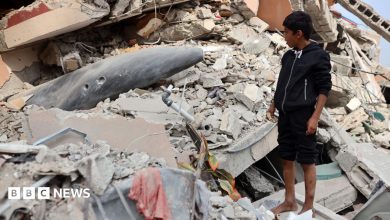
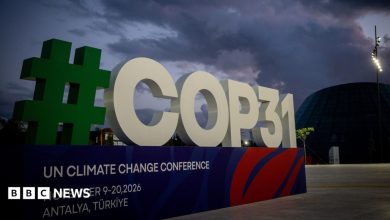
The 31st United Nations Climate Change Conference, COP31, collapsed in Antalya, Turkey, over a dispute about fossil fuels and climate finance. The failure highlights deep divisions in global climate politics, revealing not just a breakdown in negotiation, but a fundamental rift in how nations perceive their responsibilities and obligations in the face of climate change. Source: bbc.co.uk.
What Happened at COP31
The final draft of the agreement expressed ‘deep concern’ that global warming would exceed 1.5°C in the coming years. It warned of irreversible damage and called for urgent action. This language survived opposition to the broader pact, showing a shared recognition of the climate crisis.
However, the final draft omitted any mention of fossil fuels. This omission sparked backlash from oil-producing nations. They argued it undermined previous climate commitments and weakened progress.
The summit ended without a formal declaration. No consensus was reached on fossil fuel phase-out, climate finance, or historical emissions responsibilities. The failure marks a significant moment in international climate diplomacy.
Key Facts and Positions
- At COP28 in Dubai, three years earlier, countries agreed to transition away from fossil fuels. This commitment was seen as a major step forward. COP31 did not include such language, raising concerns about continuity.
- Arab nations, represented by Saudi negotiator Mohammad Ayoub, said they contributed less than 2% of historical greenhouse gas emissions. He argued industrialized nations bear most of the responsibility. He said developing nations should not face the same burdens.
- Russia’s delegate Sergei Kononuchenko warned that cutting oil and gas supplies before demand falls would cause shortages, higher prices, and energy poverty. He said such actions would hurt vulnerable populations.
- He directly addressed European delegates in English, calling the EU’s climate finance model a ‘colonial distribution of labour’. This reflects a broader concern among developing nations about being asked to pay for damage caused by industrialized countries.
- Many developing nations argue they are being asked to bear climate costs while receiving little support for adaptation or clean energy transitions. This sense of inequity fuels resistance in Africa, Asia, and the Global South.
- The European Union ruled out significant new climate funding before the summit. This was seen as a major obstacle, especially since climate finance is essential for developing nations to build clean energy systems.
Geopolitical Context
The United States had no official delegation at COP31. A senior official said President Donald Trump has long rejected international climate agreements, calling them economically damaging and politically unnecessary. His absence shows growing disengagement from multilateral climate efforts.
It included a pledge to increase production and supply of refined petroleum products. This stands in sharp contrast to the climate talks in Antalya.
This contrast shows a deeper divide: while negotiations focus on shared goals, powerful nations act based on domestic politics, economic interests, and national security. The energy transition is not just about climate—it’s about economic sovereignty and power.
Why the Dispute Matters
More than 130 countries supported a call for explicit language on moving away from fossil fuels. That’s about two-thirds of delegations. This shows strong demand for more ambitious action. The failure wasn’t due to lack of will, but to lack of consensus on how to act.
Christiana Figueres, who led the Paris Agreement negotiations, said countries had a right to walk away from weak commitments. She warned that half-measures could undermine progress. The world must not settle for inadequate action.
Yet, the failure does not stop climate action. Solar panels, wind power, and electric vehicles are becoming more affordable and efficient. Disruptions in oil and gas markets have pushed countries to generate their own electricity. The energy transition is moving forward—just not fast enough.
What This Means for Climate Action
The final draft still expressed ‘deep concern’ about warming surpassing 1.5°C. It warned of irreversible damage and called for urgent action. This strong language survived without triggering opposition. Even deeply divided nations acknowledged the scale of the danger.
But they could not agree on how to respond. This reflects a core challenge: international cooperation depends on shared values. Those values are increasingly at odds in today’s world. Climate action cannot rely only on formal negotiations.
Progress is happening in markets, policies, and local actions. Where governments, businesses, and communities act on economic incentives, public pressure, and environmental awareness, real change occurs.
The world’s climate efforts remain fragmented. The real issue is not just finding the right words or changing voting rules. It is persuading nations with different interests to act together—something no international body can force. The UN process relies on consensus to protect smaller and poorer nations. But without shared moral and historical responsibility, that consensus remains fragile.
Some governments have proposed voting when consensus fails. Others suggest forming agreements outside the formal process. These ideas may help, but they don’t solve the core issue: the lack of trust and shared responsibility among nations with different energy systems and priorities.
For more on the climate finance debate, see Africa Demands More Climate Finance at UN Summit.
For analysis on the fossil fuel dispute, visit Fossil Fuel Dispute Threatens COP31 Climate Deal.
For what comes next, read What’s Next After No Deal at COP31 Climate Summit?.
For a broader look at the key takeaways, see Five Key Takeaways from the Failed COP31 Climate Talks.
For a summary of the fossil fuel deadlock, visit COP31 Climate Talks in Deadlock Over Fossil Fuels.
The original source is available at BBC News.
Sources & further reading
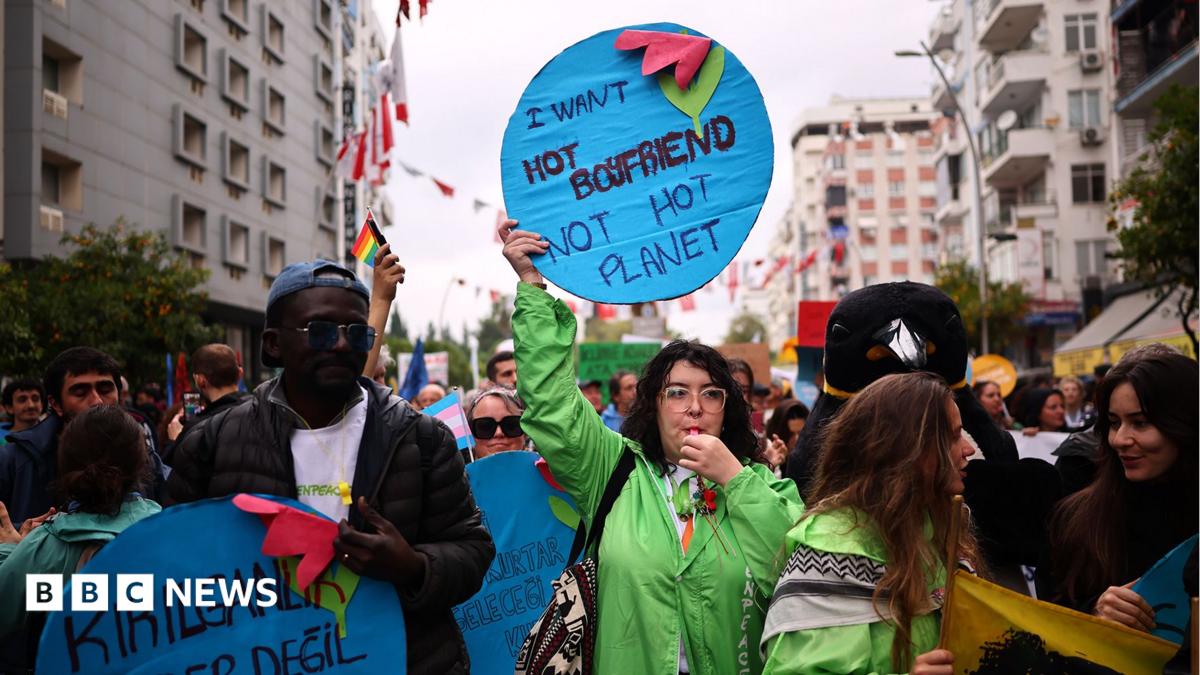
Featured image: A group of protesters gather outside the COP venue with signs, with one reading 'I want hot boyfriend not hot planet', in Antalya on 14 November.. Via original publisher. Image source