Winter makes it seem like wasps vanish overnight. But not all of them are gone. The ones that survive are the queens — the only members of a wasp colony that endure the cold. While the majority of a wasp colony perishes during the winter months, the mated queens are the only individuals capable of surviving the cold and emerging to start a new colony in the spring. This survival strategy ensures that the species continues through the seasons, with each new generation beginning anew in the warmth of spring.
Where Wasps Hide in Winter
Most wasps die off by winter’s end. Only the mated queens survive. These queens do not return to their old nests. Instead, they seek shelter in quiet, protected spots around the yard. The survival of these queens is not a matter of luck, but a well-adapted biological response to seasonal changes. Their bodies enter a state of dormancy, reducing metabolic activity to conserve energy. This allows them to remain alive through the coldest months, relying on minimal food intake and stable microclimates to survive.
Under Fallen Leaves and Garden Debris
After the first hard frost, fallen leaves often form a thick layer. Beneath this layer, the soil is less frozen. Yellowjacket queens may crawl into the leaf litter or under old mulch. They stay motionless, blending into the environment. The leaf cover provides insulation, shielding the queen from extreme cold and moisture. It also reduces exposure to predators and environmental disturbances. It’s not necessary to rake every corner bare. Some leaves support butterflies and moths through winter. Removing them entirely may disrupt other wildlife, and in some cases, could even reduce biodiversity in the garden ecosystem.
Inside Woodpiles and Fallen Logs
Stacked firewood offers narrow gaps and shelter from wind. Rotting logs and old stumps provide soft wood that queens can cling to. A queen may be found pressed against the bark, barely moving. These environments offer both thermal stability and physical protection. The moisture content in rotting wood helps maintain a stable internal temperature, while the gaps between pieces provide natural ventilation. When checking woodpiles, pull only a few splits at a time. A warm indoor space can awaken a dormant queen. Bringing in only what you plan to burn that day prevents accidental disturbance or activation of a queen.
Beneath Loose Tree Bark
Dead trees with loose bark offer snug gaps. Yellowjacket queens squeeze into these spaces. Birds have difficulty reaching them, and the bark shields them from weather. On a mild winter day, lifting a slab of bark from an old stump may reveal a queen pressed flat beneath. Always return the bark to its original position after inspection. The bark acts as a natural barrier, reducing exposure to wind and temperature fluctuations. The space beneath provides a stable microclimate, with minimal air movement and consistent humidity levels.
Inside Sheds and Outbuildings
Sheds, garages, and barns have cracks around doors and windows. Queens often move in during fall and stay through spring. Paper wasps may cluster at high points, like roof peaks or rafters. These structures provide consistent temperatures, especially in the upper sections where heat from the sun or interior heating systems can linger. To prevent queens from entering, cover vents with stainless steel mesh. This is available on Amazon. It blocks entry without blocking airflow. The presence of a queen inside a shed or outbuilding does not pose a threat to human health or property, as long as it remains undisturbed.
Behind Siding and Inside Wall Voids
Queens can enter wall voids through gaps where siding meets trim. Temperatures in these spaces often stay above freezing. A slow, groggy wasp seen near a window in January may be a queen that wandered in. These wall voids are often insulated by drywall, insulation, or other materials, creating a stable environment. Active nests show steady traffic through the same hole. If you see this, do not seal the gap yet. The wasps may chew through to the inside. Once the colony has died, seal cracks with flexible sealant like DAP Dynaflex 230 from Home Depot. This approach ensures that the structure remains safe while avoiding the risk of damaging a dormant nest.
In Soil Cavities and Compost Piles
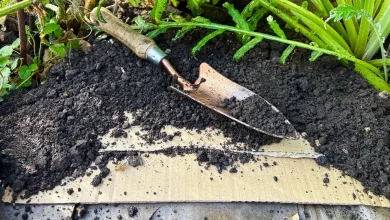
Some yellowjacket queens spend winter underground. They do not use the old nest. That nest is abandoned when the colony ends. They may use empty animal burrows, cracks between rocks, or pockets in loose soil. A home compost pile that hasn’t been turned in a while may also hold a queen. Compost piles retain heat and moisture, especially when not disturbed. If you turn the pile in winter, do so slowly and wear gloves. The queen will likely stay put. The soil environment offers a stable, dark, and humid habitat, ideal for overwintering.
Should You Remove Overwintering Queens?
Usually, no. Wasps play a useful role in gardens. Yellowjackets and paper wasps hunt caterpillars and other soft-bodied insects. They also move pollen between flowers as they feed. A queen hidden under a log at the back of the yard poses little risk. Next summer, her colony will likely eat many garden pests. Removing a queen may disrupt the natural balance of the garden ecosystem. Wasps are not just pests; they are part of a larger food web, helping control populations of insects that could otherwise damage plants.
Preventing Wasps from Entering in Fall
Seal gaps around doors and windows in late summer. This stops queens from seeking shelter in your home. Check that window screens fit tightly. Home Depot offers a door jamb weatherstrip set that closes gaps around exterior doors. Proactive prevention in the fall is more effective than reactive measures in winter. By addressing entry points before queens begin their search, gardeners can reduce the likelihood of finding queens inside their homes or outbuildings.
What to Watch for in Spring
As spring warms, inspect eaves and porch ceilings. A new nest is about the size of a golf ball. Only the queen tends it. This makes it easier to manage than a full colony. Large nests, ground nests, or anyone in the house with allergies should be handled by a pest control professional. The emergence of a new colony in spring is a natural part of the wasp life cycle. Observing this process allows gardeners to respond with care and awareness, rather than fear.
Winter may make the yard look empty. But beneath leaves or behind bark, next year’s wasps are already waiting. Unless one is near the back door, it can stay where it is. The presence of a queen in winter is not a sign of danger, but a sign of resilience and adaptation in nature.
Wasp Control Essentials
- Trap Them: Use Visilure Trapstik for Wasps (Pack of 2)
- Repel Them: Mighty Mint Peppermint Oil Insect Repellent Spray
- Confuse Them: Zeedix Hanging Paper Fake Wasp Nest Decoys (Pack of 4)
This article is based on content from Gardening Know How. The original source was written by Tyler Schuster, a contributing writer with a background in plant-fungi interactions and microbiology. His experience includes adapting gardening practices after physical recovery from spinal injuries and brain surgery.
Wasps are not just pests. They contribute to garden health by controlling insect populations. Understanding where they hide in winter helps gardeners manage them wisely — without harming their ecological role.
Sources & further reading
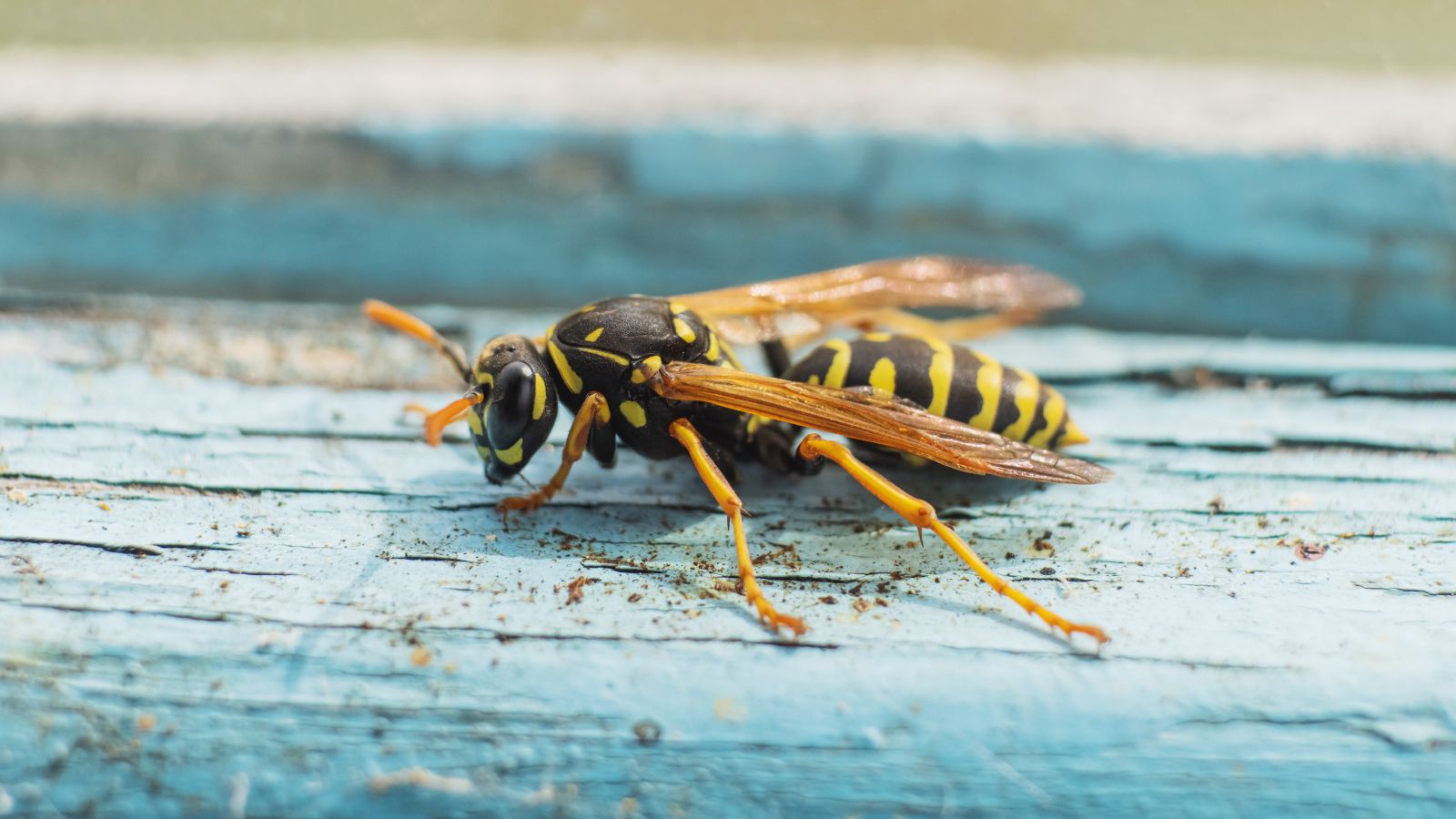
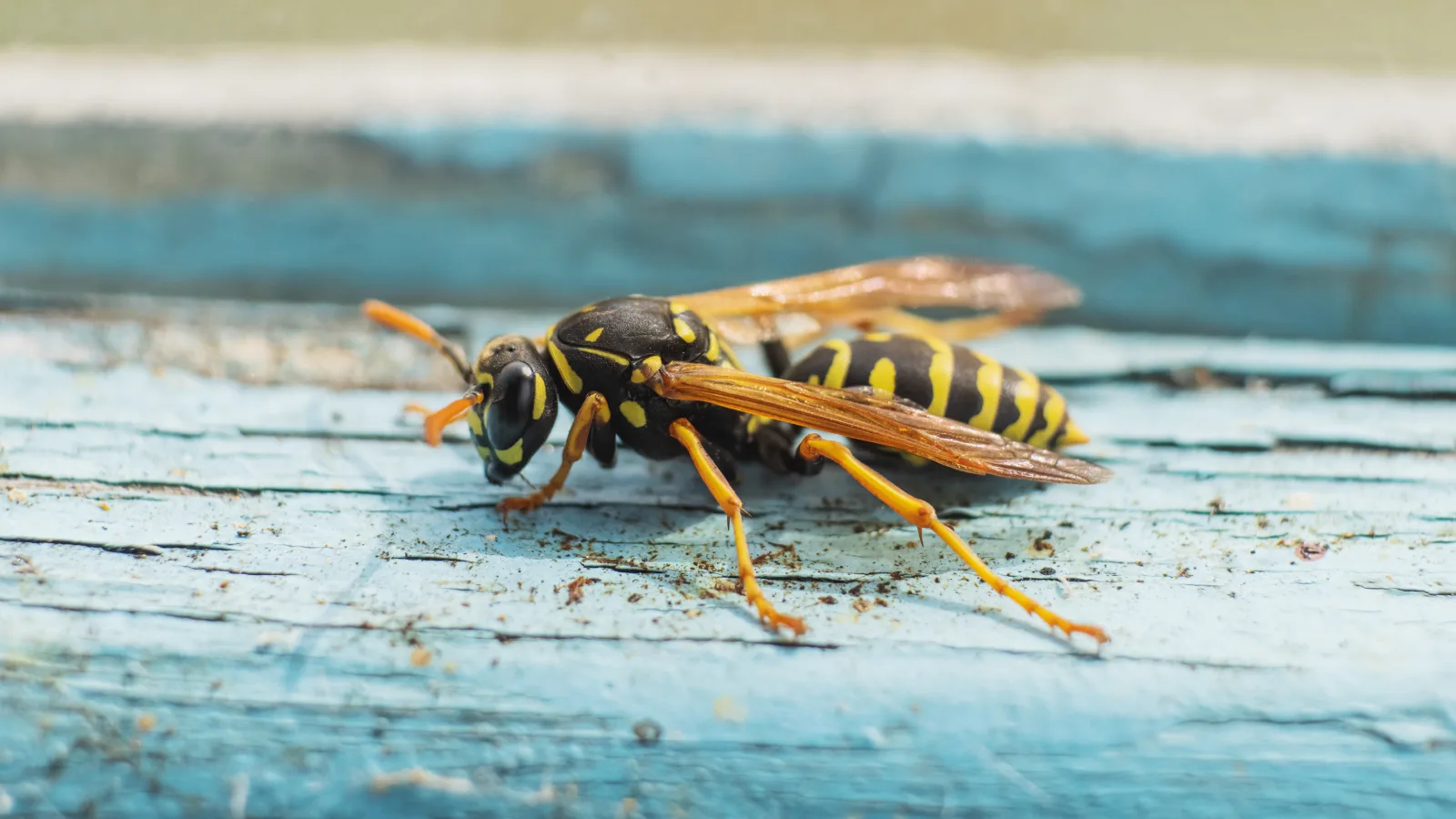
Featured image: Paper wasp on painted wood — (Image credit: iiievgeniy / Getty Images). Via original publisher. Image source