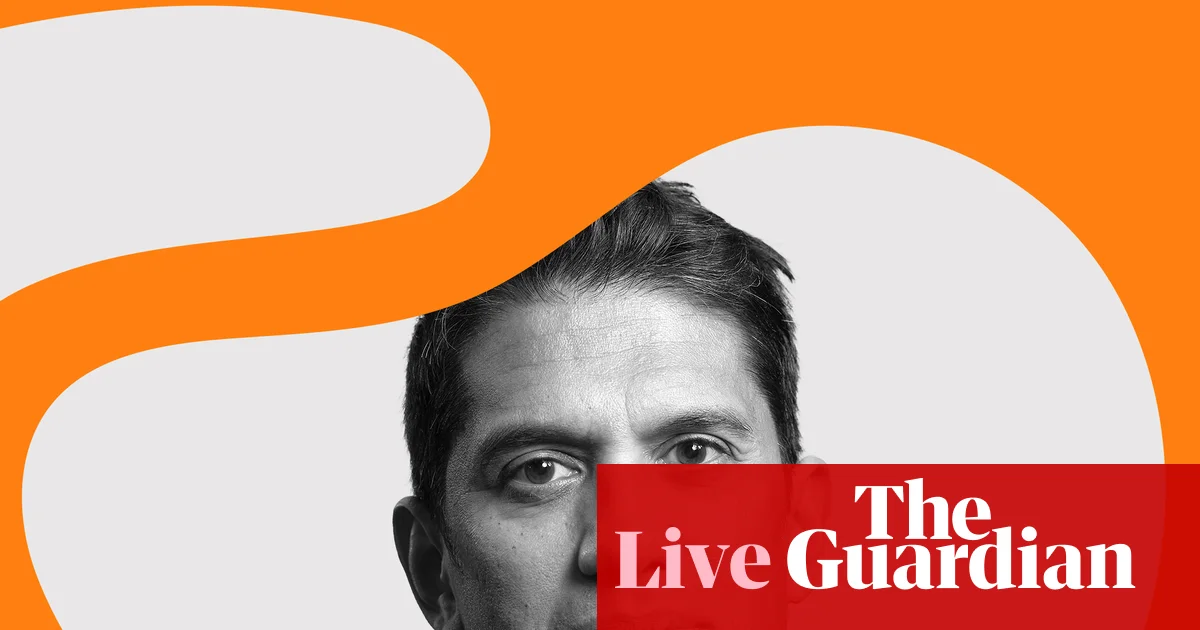
A reader asks whether media attention is unfairly skewed toward wealth tax experts like Gabriel Zucman, despite the work of Gary Stevenson on inequality.
Why Wealth Tax Gets More Media Attention
Aditya Chakrabortty acknowledges that experts like Gabriel Zucman receive significant media coverage.
He finds Zucman’s research rigorous and thought-provoking, even if he doesn’t agree with all of it.
Together with Emmanuel Saez and Thomas Piketty, Zucman helped bring wealth taxes into public view as a key tool for reducing inequality.
Why Gary Stevenson’s Work Matters
Chakrabortty values Gary Stevenson’s clarity and dedication to inequality issues.
His book tells a compelling story and has helped raise awareness about rising inequality.
Yet, Chakrabortty does not see wealth tax as the only solution to inequality or far-right political growth.
More Than Just Tax Policy Is Needed
Chakrabortty argues that fighting inequality requires broader changes.
He stresses the importance of workers’ rights, affordable housing, public ownership, and democratic reforms.
These areas are just as vital as tax policy in building a fairer society.
How Media Shapes Public Discourse
In the age of algorithms, simple messages dominate.
Media platforms favor content that is easy to understand and emotionally powerful.
This explains why wealth tax narratives grow quickly—despite not capturing all economic challenges.
A Reader’s Satirical Proposal
One reader, Compassionate, suggests the World Bank could bundle all global debt into one bond and sell it to a ‘moon bank’.
Chakrabortty replies that the world is built on debt.
He rejects the idea of dumping debt on the moon, noting that data centers are already shared with space agencies.
This shows how such ideas lack practicality and ignore real-world economic ties.
What This Means for Policy and Public Discourse
Chakrabortty highlights a gap between popular narratives and complex economic truths.
While wealth tax remains a visible symbol of inequality, it is not a standalone fix.
Real progress requires a wider range of policy tools and deeper public conversations.
His perspective urges readers to think beyond policy proposals and consider how they are framed and received.
For a full discussion, see the Guardian’s Reader Q&A; section.
Sources & further reading
Featured image: original publisher image. Via original publisher. Image source