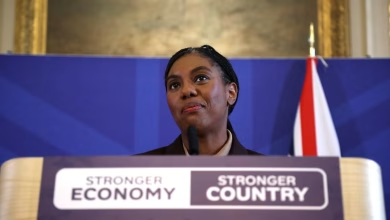
Alan Milburn’s Neets review has become a cultural touchstone in the UK over the past six months. What began as a government-led policy review has evolved into a national conversation, reflecting both the depth of the issue and the public’s growing awareness of the challenges faced by a generation that has been systematically overlooked.
What Happened: A Moment in Parliament
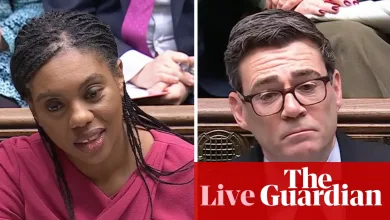
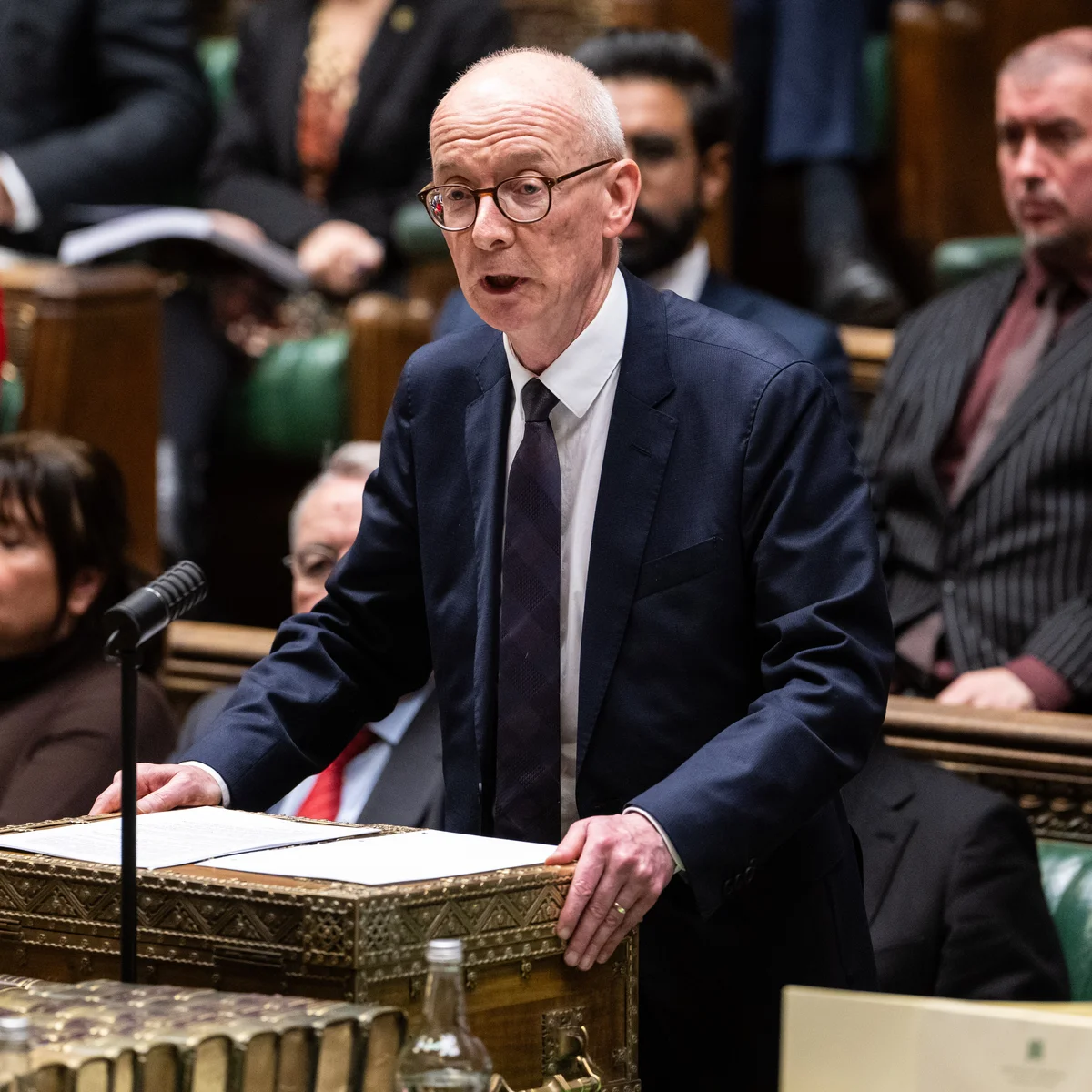
On Tuesday, 1 December 2026, the review was formally presented in the House of Commons. Pat McFadden, the work and pensions secretary, delivered a 10-minute summary of the Milburn review, echoing much of what had already been shared in public interviews and media leaks. The session was notable not only for its content but for the atmosphere it created—an almost ceremonial moment where a policy document, once confined to bureaucratic circles, now stood at the heart of political discourse.
McFadden’s delivery was notably subdued. One observer noted, ‘the more engaged and upbeat Pat is, the more depressed he sounds.’ This tone reflects a personal style, not a policy shift. His remarks were largely consistent with Milburn’s original findings, but carried a more cautious, less optimistic tone. This contrast between Milburn’s public energy and McFadden’s measured delivery highlights the gap between policy vision and political execution.
Before the Commons session, Milburn gave interviews to a wide range of media outlets—sometimes unexpectedly, sometimes without invitation. One account suggests a Royal Mail driver was delayed during a routine delivery because he was stopped by Milburn for over an hour. The driver later reported he couldn’t complete his round. Another possibility is that Royal Mail operates a fleet of vans that do not deliver anything—ghost vans—designed to avoid public contact. While these claims are anecdotal, they show how deeply the review has entered everyday life.
Public Reaction and Media Response
Media coverage has been extensive. ITV has commissioned a four-part docudrama on the writing of the report. This suggests growing public interest in both the process and outcomes of the Neets review. The series will likely explore personal stories of young people who have lived years without work or training.
Andrew Lloyd Webber’s musical Neets: The Musical is scheduled to open just before Christmas. This reflects a cultural shift—from a label of social exclusion to one of shared identity and humour. The song, with its playful lyrics and retro style, may symbolise a transformation of the Neet identity from stigma to pride and community.
There is no indication that the review will lead to immediate policy changes. The article observes that ‘where this goes from here is anyone’s guess.’ It could result in new job initiatives, or it could be quietly shelved. Without a clear action plan, the review risks remaining a symbolic gesture rather than a transformative policy.

Key Facts and Political Responses
- More than 10% of young people under 25 have been out of work, education, or training for over 20 years. This figure, from official statistics, shows a persistent scale of disengagement.
- The review criticises the idea that cutting benefits alone could bring young people back into the workforce. It argues such a policy would be delusional and fails to address root causes like lack of skills, poor access to training, and societal stigma.
- It calls for a cultural shift in how the state engages with young people, similar to practices in northern European countries. These nations have long invested in youth employment, training, and social integration programs.
- Labour has fully supported the review, though some backbenchers raised concerns about potential benefit reductions. This reflects a tension between social protection and economic policy.
- Shadow work and pensions secretary Helen Whately responded with a statement described as ‘half-witted.’ She claimed the review followed Tory policy, while calling for billions more to be cut from benefits. One observer notes only Whately could claim Milburn was following Tory policy while calling it a Labour benefits bonanza.
Whately’s remarks are seen as emblematic of a broader political stance. The article suggests she embodies the image of the ‘lazy, stupid’ Neet that the Conservative Party has long used. If she had been born 25 years later, the article notes, she would likely be claiming benefits. This is not a prediction, but a critique of how political narratives reduce complex issues to dehumanising tropes.
Only a handful of Conservative backbench MPs attended the Commons session. The article speculates this absence may reflect disinterest or a deeper political disconnect. It does not confirm whether the lack of attendance stems from apathy or a belief the review lacks value. This absence may signal a broader divide in how parties view young people’s role in society and the economy.
Why This Matters
The Neets review is one of the few attempts by the UK government to seriously address long-term youth disengagement. It challenges the idea that economic recovery can be achieved through benefit cuts alone. Instead, it calls for a cultural and institutional shift—recognising young people not as a burden, but as vital to the workforce.
While no concrete policy changes have emerged, the review’s visibility suggests growing public awareness. The fact that it inspired a musical and a Eurovision entry shows cultural resonance. These expressions may help reframe the Neet identity from marginalisation to resilience and creativity.
Limitations and Open Questions
Despite its visibility, the review has no clear roadmap for action. There is no public timeline for new job initiatives or funding plans. Without specific plans, the review risks staying a symbolic gesture.
Some Labour MPs have expressed concern that certain young people might lose benefits under proposed reforms. This raises questions about balancing social support with economic goals. Benefit cuts could deepen alienation among those already at risk.
It remains unclear whether the government will act on the review’s recommendations. The article notes that in 10 years, we might see this as a turning point in how society views young people—or it could be forgotten, filed under ‘too difficult’. This uncertainty reflects a broader challenge in governance: moving from awareness to action, especially when priorities shift.
There is no mention of how the review will be evaluated or monitored. Without performance indicators, its impact remains speculative. A robust evaluation framework would be essential to determine whether initiatives work and improve young people’s lives.
What to Watch Next
Over the coming months, attention will focus on whether the government implements new employment or training initiatives based on the review. Labour’s response to potential benefit changes will be closely watched. Any public statements from backbenchers or ministers could signal a shift in youth employment policy.
The success of the musical and the Eurovision entry may also serve as cultural barometers. If the Neet identity is embraced with humour and pride, it may signal a broader shift in how society views young people. These cultural expressions could open space for more inclusive policy development.
Ultimately, the review may not change policy in the short term. But its cultural footprint—seen in music, media, and public discourse—suggests it has already made a lasting impact. And, as the article concludes: ‘We will always have Eurovision. And Neets! Might even get transferred to Broadway.’
Read the original article from The Guardian
Join the Guardian’s Year in Review event
Sources & further reading
Featured image: original publisher image. Via original publisher. Image source