A world-first clinical trial injected stem cells directly into the brains of Alzheimer’s patients. The study, led by Regeneration Biomedical Inc (RBI), involved five individuals with early-stage Alzheimer’s disease.
Each patient received stem cells derived from their own body fat. These cells were enhanced using Wnt proteins, which boost their regenerative abilities in the lab.
How the Treatment Works
Body fat is used to extract stem cells through a simple, minimally invasive procedure. In the lab, these cells are grown and exposed to Wnt proteins—natural signaling molecules that trigger cell repair and growth.
The ‘supercharged’ cells are then delivered via a surgically implanted catheter into the brain’s ventricles. These fluid-filled spaces allow the cells to spread throughout the central nervous system.
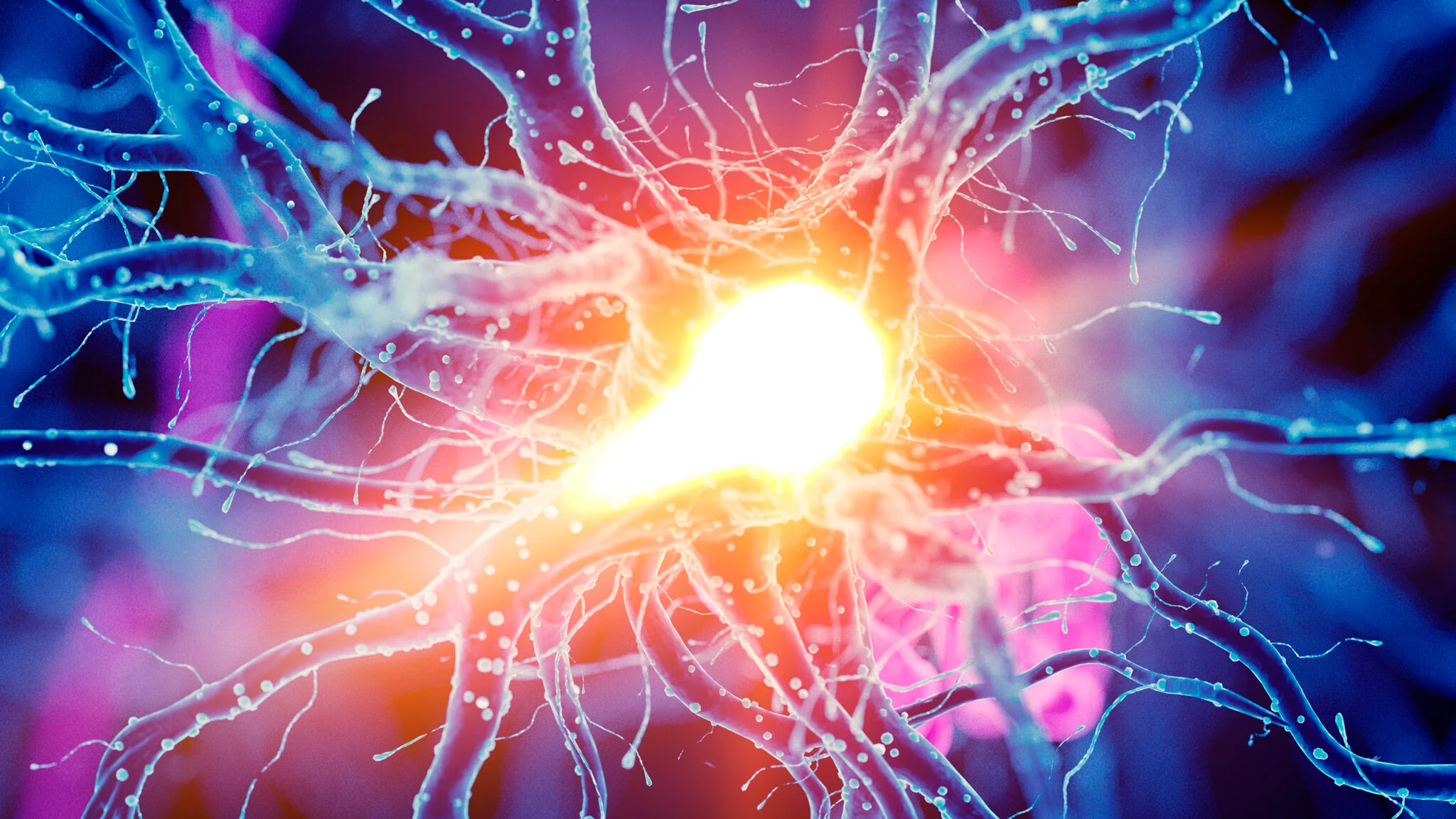
The goal is to repair damaged neurons, reduce brain inflammation, and clear harmful amyloid-beta and tau protein clumps. The therapy targets the root causes of Alzheimer’s, not just its symptoms.
“If you have a refrigerator and it’s producing spoiled food, why would you keep removing the spoiled food instead of fixing the refrigerator?”
This analogy shows the core idea: Alzheimer’s isn’t just about removing toxins. It’s about fixing the brain’s biological systems that cause the disease.
Phase 1 Results and Safety
The trial lasted 52 weeks. No serious side effects were reported, confirming the treatment’s safety in humans.
Four out of five patients showed statistically significant cognitive improvements. These gains suggest the treatment may help restore brain function early in the disease.
Next Steps: Phase 2 Trial
A larger Phase 2 trial is set to begin soon, with up to 115 participants. It will compare the stem cell therapy against a placebo.
The trial will measure changes in memory, cognition, and key biomarkers like amyloid-beta and tau proteins in the brain.
Regulatory Support
The U.S. Food and Drug Administration (FDA) has granted the treatment ‘fast track’ status. This allows faster review and more frequent communication with regulators.
Christopher Duma, founder and president of RBI, says this designation reflects the urgent need for therapies that go beyond single-pathway treatments.
Why This Matters
Alzheimer’s is one of the most complex neurological conditions. Risk factors include genetics, diet, sleep, air pollution, and mental health.
Current treatments only manage symptoms or slow progression. They don’t stop or reverse brain damage.
This trial marks a shift toward regenerative medicine—using cells to repair, not just treat, damaged brain tissue.
Limitations and Questions
The Phase 1 trial was small and focused on safety. It did not test long-term outcomes or effectiveness.
The cognitive gains are preliminary and may not last. It’s unclear if the treatment works for all patients or only early-stage cases.
There is no evidence this therapy prevents Alzheimer’s in healthy people. The full mechanism of action remains under investigation.
The trial’s abstract has been published in Alzheimer’s & Dementia. More results will follow as the Phase 2 trial progresses. For updates, visit ScienceAlert.
Sources & further reading
Featured image: Bright brain cell. Via original publisher. Image source