As winter approaches, some garden plants require special care to survive. Not all plants are equally hardy. Certain favorites—like dahlias and hybrid tea roses—need extra attention to endure cold weather and emerge healthy in spring. Source: gardeningknowhow.com.
Dahlias: Lift Before Frost
Dahlias thrive in zones 8 to 11. They are not hardy in colder zones. Their tuberous roots can rot in wet soil or freeze in deep snow. This vulnerability arises because dahlia tubers store energy in their underground structures, making them especially sensitive to moisture and temperature fluctuations. In zones 6 and below, leaving dahlias in the ground significantly increases the risk of rot and complete plant failure.
After the first deep frost, when foliage turns black, cut stems back to about two inches. This pruning helps prevent disease and signals the plant to enter dormancy. Carefully dig up the crown and tubers using a trowel or garden fork, ensuring you do not damage the tubers during removal. The crown, which is the central part of the tuber, is the key to successful overwintering—any damage here can result in poor regrowth or no blooms the following season.
Let the tubers dry for a few days to cure. This process allows moisture to evaporate and reduces the risk of fungal infections. A compressed bale of natural pet bedding, such as wood shavings, is a cost-effective and widely available option. These materials provide excellent airflow and absorb excess moisture. Store the tubers in a box of wood shavings in a cool, frost-free, dry area—such as an unheated garage or basement. Avoid storing them in humid environments or near heat sources, as both can compromise their viability.
Without this care, dahlias may rot or fail to bloom next season. Proper storage ensures that the tubers remain viable and ready for replanting in spring, when soil temperatures begin to rise and daylight increases.
Cannas: Rhizomes Need Lifting
Cannas are hardy in zones 7 to 10. Rhizomes are horizontal underground stems that store nutrients and energy, making them susceptible to freezing, which can cause cracking and tissue death.
Once foliage turns black after a frost, it indicates that the plant has completed its growing cycle and is entering dormancy. At this point, cut the stems to four to six inches (10 to 15 cm) to prevent rot and encourage healthy regrowth. Then, carefully dig up the rhizomes using a garden fork, being cautious not to break them. Rhizomes are often intertwined, so gentle handling is essential to preserve their integrity.
After lifting, allow the rhizomes to dry for a few days in a well-ventilated area. This drying period reduces the risk of mold and fungal growth. Store them in a material like wood shavings or coarse sand, which allows for airflow and prevents moisture buildup. A dark, cool, and dry storage area—such as a basement or unheated shed—is ideal. Avoid storing them in plastic bags or sealed containers, as these trap moisture and promote rot.
Hardiness varies by variety. Gardeners should check their specific canna type for best results. For example, some varieties are more cold-tolerant than others, and certain cultivars may perform better in specific microclimates. This variability underscores the importance of understanding the plant’s specific needs before applying general overwintering techniques.
Bigleaf Hydrangeas: Protect Flower Buds
Bigleaf hydrangeas grow well in zones 5 to 9. They flower on old wood, meaning flower buds form on the previous year’s growth before winter sets in. This makes them particularly vulnerable to sudden cold snaps, as the buds are still developing and can be damaged by temperature fluctuations.
A cold snap during late fall or early winter can cause bud drop, resulting in a significant reduction or complete absence of blooms the following season. This is especially problematic because hydrangeas are prized for their large, showy flowers and are often central to garden design.
To protect them, place four stakes in a square around the shrub, forming a protective frame. Wrap the stakes with burlap, such as that available at Walmart, to create a barrier that shields the plant from wind and cold. The burlap acts as a physical buffer, reducing wind exposure and minimizing temperature swings.
This extra layer provides additional insulation, trapping air and reducing heat loss. The dry leaves also help buffer against sudden temperature drops, which can be especially damaging to developing buds.
This method prevents bud damage and supports strong flowering in the following year. It is a simple, low-cost strategy that requires no specialized tools or materials, making it accessible to all gardeners.
Hybrid Tea Roses: Support and Mulch
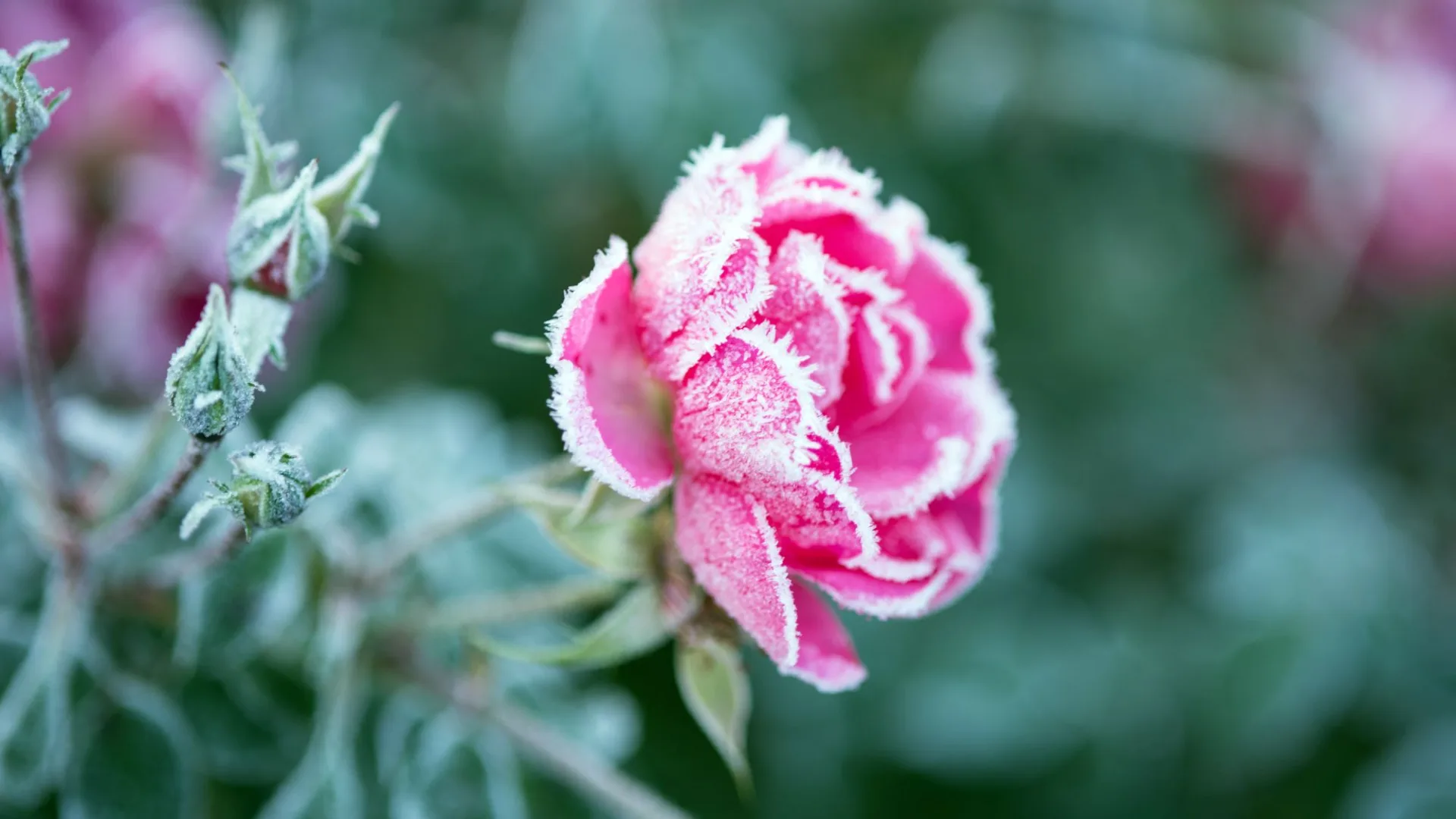
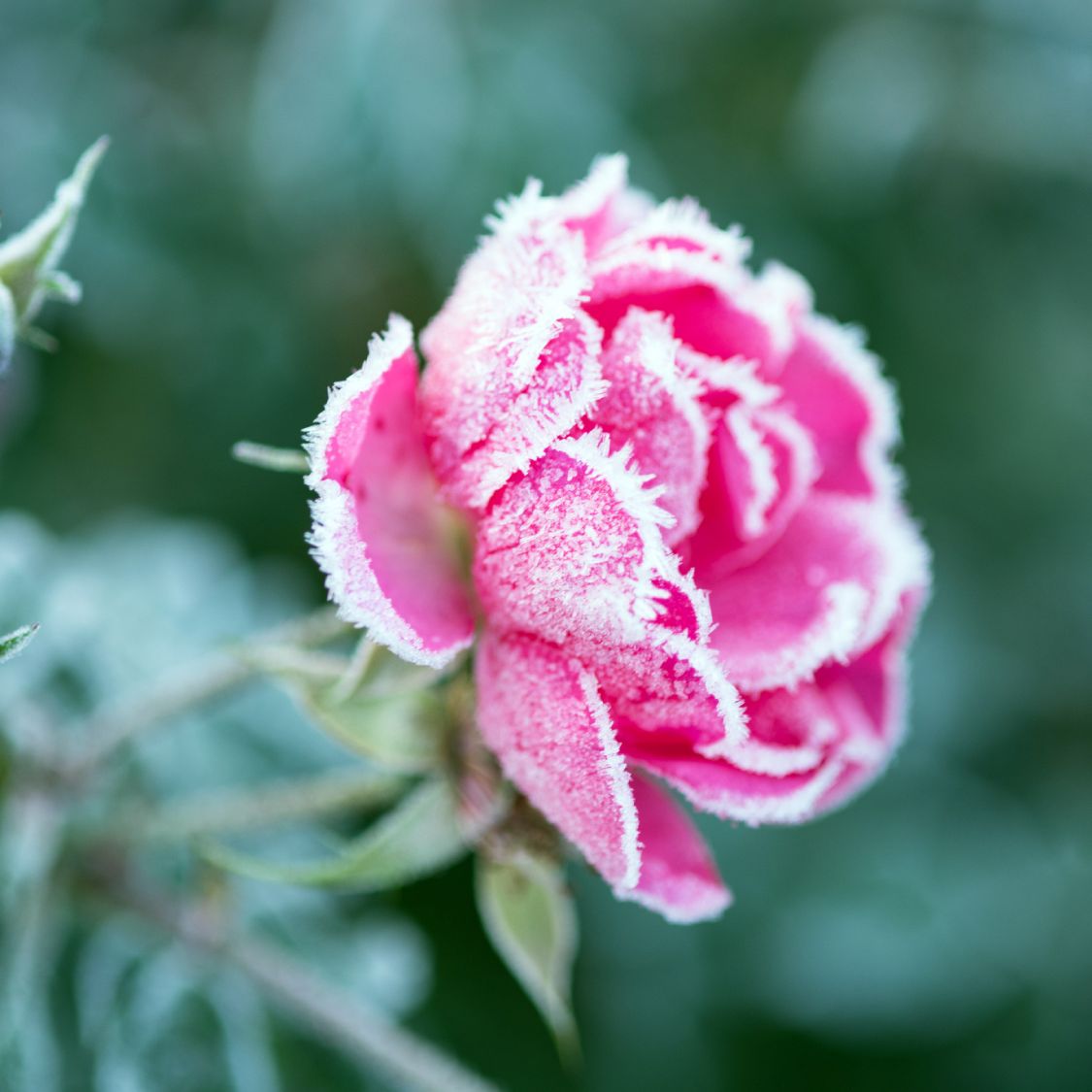
Hybrid tea roses are hardy in zones 4 to 9. While many cultivars are resilient, some are more sensitive to cold weather than others. They are particularly vulnerable to freeze-thaw cycles, which can cause structural damage to canes and root systems. Repeated freeze-thaw cycles weaken the plant’s tissues, leading to canes that are brittle and prone to snapping in spring.
First, remove any plant debris from the ground. This step is critical because leftover plant material can harbor fungi and bacteria that overwinter and infect the plant in spring. Clean the area thoroughly to reduce disease risk.
Loosely tie the canes together using twine or garden wire. This provides extra support during windy winter days and helps prevent the canes from breaking under stress. The canes are often long and flexible, and tying them together ensures they remain upright and protected.
Mound soil or compost around the base of the plant. This creates a natural insulation layer that helps retain heat and protects the roots from freezing.
Top with a natural mulch such as Miracle-Gro All Natural Mulch, available at The Home Depot. This mulch is made from organic materials and helps regulate soil temperature. Avoid using synthetic or compacted mulches, as they do not allow for proper air circulation and can trap moisture.
These steps help protect canes and roots from winter stress and ensure that the plant remains healthy and ready for strong growth in spring.
Rosemary: Move Indoors for Safety
Rosemary is hardy in zones 8 to 10. In colder zones, it’s best to bring it indoors. Outdoor mulch offers only limited protection. Rosemary is highly sensitive to wet soil and drying winds, which can cause root rot or desiccation.
For best results, dig up the plant and transfer it to a pot. Terracotta pots work well due to their drainage properties. The porous clay walls allow excess moisture to escape, preventing waterlogged roots. This is especially important because rosemary does not tolerate soggy conditions.
Mix perlite—like Back to the Roots Organic Perlite—at a 1:3 ratio with potting mix to improve drainage. This blend ensures that the soil remains well-aerated and prevents water from pooling around the roots.
Place the pot in a cool, bright spot indoors—such as a kitchen window or sunroom—where it receives indirect sunlight. Avoid placing it near heat sources or in direct sunlight, which can dry out the plant too quickly.
Reduce watering as growth slows during winter. Overwatering is one of the most common mistakes when overwintering rosemary. Water only when the top inch of soil feels dry to the touch.
Growing rosemary in a pot year-round is simpler and safer than digging it up. It allows for consistent care and eliminates the risk of root damage during excavation.
Elephant Ears: Store Corms or Bring Indoors
Elephant ears—species like Colocasia and Alocasia—are hardy only in zones 8 to 11. They grow from corms (large underground structures similar to tubers) which should be dug up for winter in colder growing zones.

After frost, cut back the stems and leaves. This allows the plant to enter dormancy and prevents rot. Then, dig around the corm and lift it from the ground. The corm is typically firm and can be handled with care.
Let the corms dry for up to two weeks before storing. This drying period is essential to prevent mold and fungal growth. After drying, store them in wood shavings in a cool, dry spot. If your elephant ear is growing in a pot and is small enough, bringing it indoors is a viable alternative.
Some varieties can grow indoors in a semi-dormant state. Keep them in a bright, cool spot—such as near a window with filtered light—and reduce watering. This approach maintains plant health while protecting it from freezing temperatures.
Tender Salvias: Mulch or Move Indoors
Many salvias are winter hardy to zone 3. In zones 6 or 7, tender varieties like Brazilian sage or gentian sage need protection. These plants are often grown as annuals in colder regions due to their sensitivity to frost.
For outdoor survival, apply a thick layer of airy mulch—like long-needle pine straw or bark chips. Pine straw is preferred because it is lightweight and allows air to circulate around the crown. Bark chips are heavier but still provide good insulation.
Leave the stems in place. Their hollow structure traps air, which helps insulate the crown and protect it from cold. This natural design feature makes salvias particularly well-suited to winter protection when left in place.
If in containers, bring them indoors. Place them in a bright spot and reduce watering as growth slows. Container-grown salvias are easier to manage and allow for consistent monitoring of moisture levels.
When to Start Protection
Timing depends on plant type and local climate.
- Tender plants should be brought inside before the first frost.
- Plants with tubers, rhizomes, or corms need lifting after the first deep frost.
- Hardy perennials need only light protection—mulching or covering—once dormant.
Insulating too early can delay dormancy and cause plants to grow prematurely, only to be damaged by cold. This is especially true for plants that rely on a clear dormancy cycle to survive winter.
Protecting your precious plants before winter arrives isn’t complicated or difficult. You simply need to know what you’re growing and how the plants tolerate your local winters, then protect them accordingly. A little effort now will reward you next year with strong new growth as soon as temperatures rise in spring, and an abundant display of flowers.
For a full guide on seasonal garden tasks, see our Complete Gardening Guide. Also explore how to use household items for frost protection with our 7 Household Trash Items You Should Save in Fall.
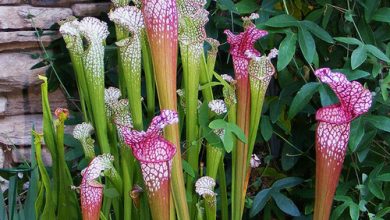
For more on tropical plants in garden design, check out Pitcher Plants in Garden Design.
These practices ensure your garden remains vibrant year after year.
Sources & further reading
Featured image: Roses draped with frost. Via original publisher. Image source