
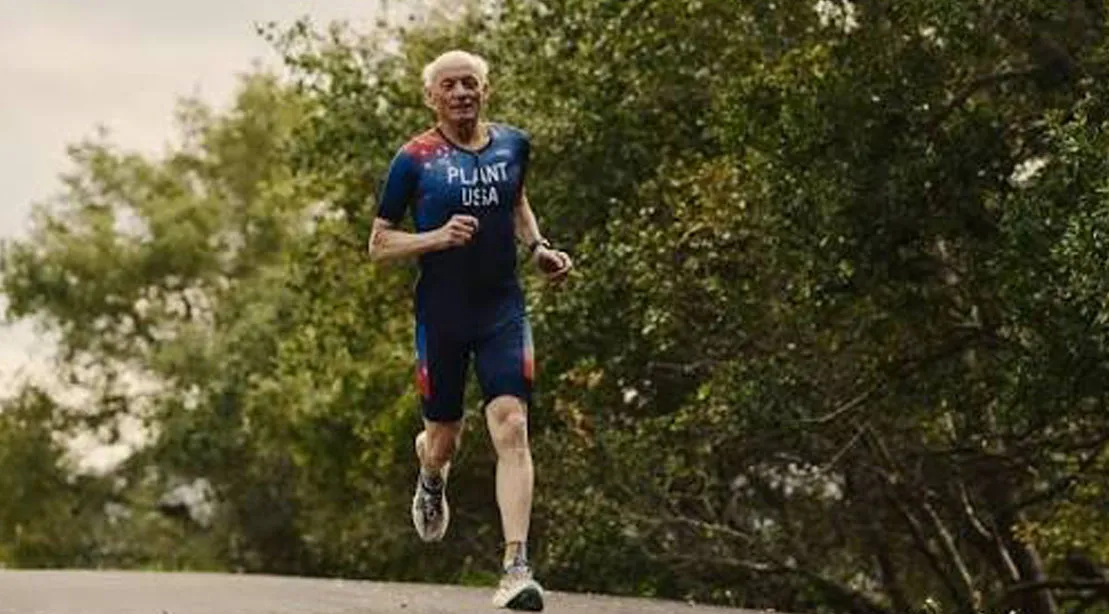
At 83, Bob Plant continues to compete in the Ironman World Championship. This year marks his 10th start at the event in Kona, Hawaii. Source: muscleandfitness.com.
What Happened
Bob Plant has never considered retirement from triathlon. He has competed in Kona multiple times, with this year being his 10th appearance at the Ironman World Championship.
Plant began competing in triathlons in the 1970s. Over four decades, he has built a deep understanding of his body’s limits and endurance capabilities.
He does not set a cutoff time for himself. Instead, he focuses on how his body feels during the race. He has been to Kona before—plenty of times—so he knows what to expect.
Key Facts
- Bob Plant is 83 years old.
- His first triathlon was in the 1970s.
- He has never considered retiring from the sport.
- He views each race as a test of endurance and adaptation, not a finish line.
Background: How It Works
The Ironman World Championship is one of the most grueling endurance events in the world.
Competitors typically train for months. The event demands physical and mental resilience. Age is a common factor in determining eligibility and performance.
Plant has adapted his training over the years. He adjusts his pace, nutrition, and recovery based on how his body responds.
He does not rely on age-based benchmarks. Instead, he evaluates each race through the lens of personal experience and physical feedback.
Why It Matters
Plant’s continued participation challenges assumptions about aging and athletic performance.
His journey shows that with discipline, consistency, and a deep understanding of one’s body, older athletes can remain competitive.
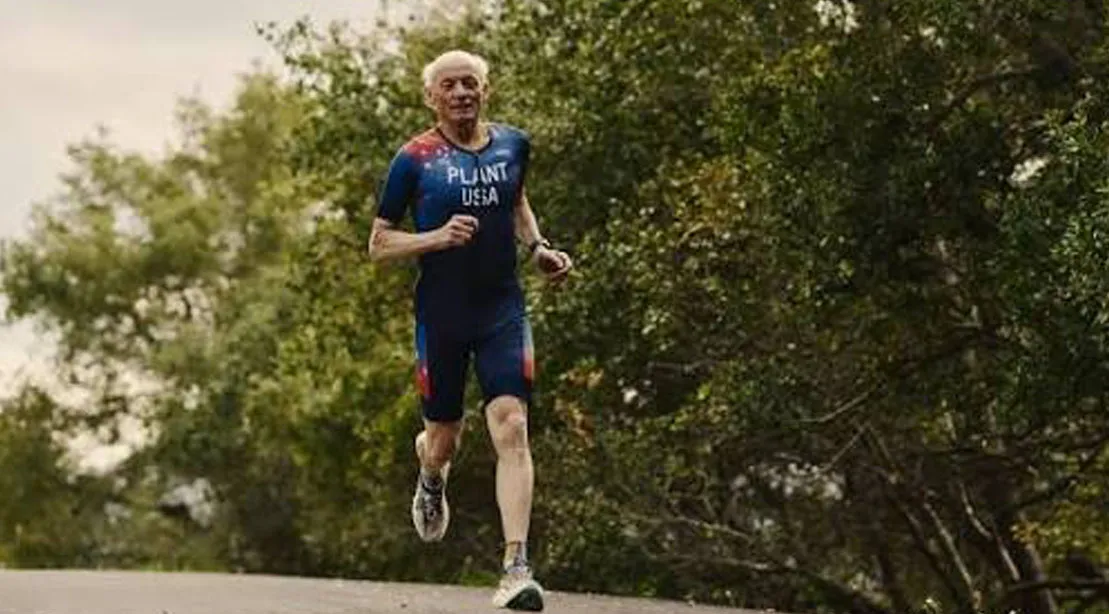
It also highlights the importance of personal motivation over external metrics like age or records.
Limitations and Open Questions
There is no official record of how many times an 83-year-old has completed an Ironman. Plant’s case is unique and not representative of the broader population.
Medical professionals have not publicly commented on the long-term effects of such endurance training at advanced age.
While Plant’s performance is impressive, it does not prove that aging can be reversed or that elite endurance is possible beyond a certain age.
His success is tied to individual factors—training history, health, and personal discipline—rather than a general rule.
What to Watch Next
Future reports on older athletes in endurance sports could provide more data on age-related performance limits.
Medical research on aging and physical performance may offer clearer insights into how long-term training affects older bodies.
Plant’s story may inspire others to view fitness not as a phase, but as a lifelong practice.
For more on how to manage soreness after training, see Does Soreness Mean a Good Workout?.
Understanding how the body responds to training is key to long-term health and performance.
Sources & further reading
Featured image: original publisher image. Via original publisher. Image source
