Michelle Schroeder-Gardner shares an interview with Rachel and Dalton, who built a direct mail business after quitting their jobs. They now earn over $100,000 in revenue from community direct mail cards.
What Is a Community Direct Mail Card?
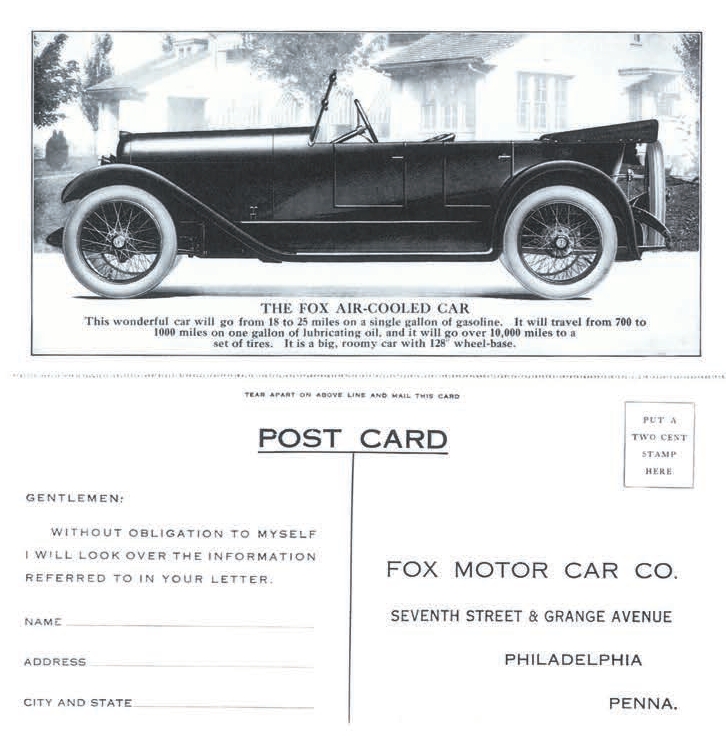
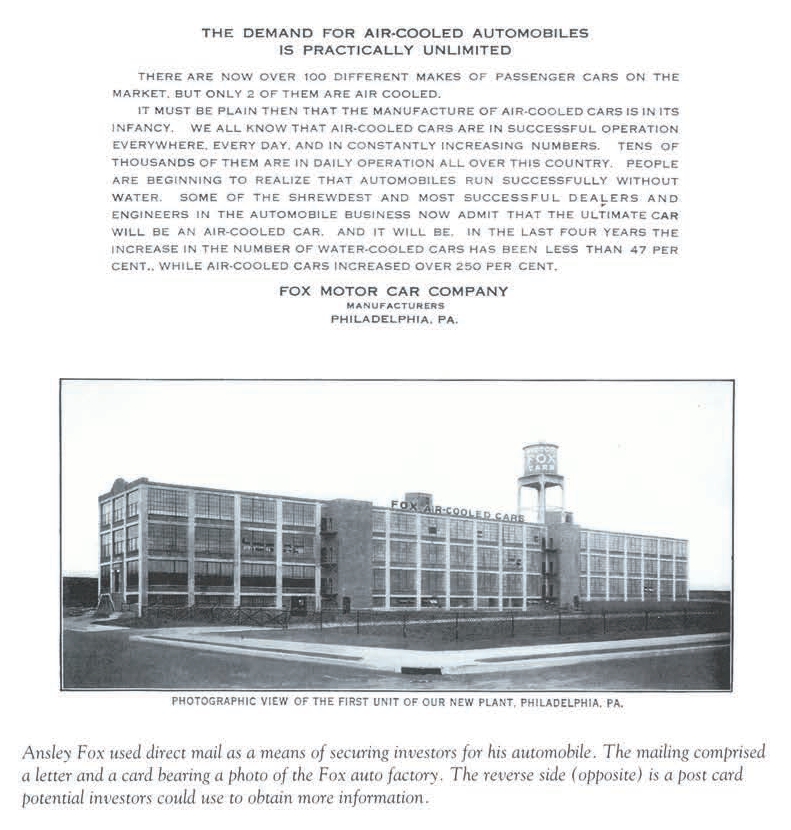
A community direct mail card is a large postcard, typically 6.5 by 12 inches, featuring 16 local businesses on one card.
Each business pays for a single ad space. The card is mailed to about 2,500 homes in a neighborhood. The person running the card keeps the profit after printing and postage costs.
Businesses get exposure to thousands of homes. Homeowners receive a single card with multiple local services instead of scattered junk mail.
How the Business Makes Money
The card includes 16 ad spaces—8 on the front and 8 on the back—each for a different business. Only one business per industry is allowed.
Charges range from $150 to $300 per business, depending on the neighborhood’s income level.
After printing and postage, the profit is roughly between $1,100 and $3,500 for a card.
Realistic Earnings for Beginners
Rachel and Dalton have made over $100,000 in revenue from more than 40 mailings.
A beginner can expect about $1,000 in profit on their first card.
After the first card, businesses often renew. This builds a list of repeat advertisers and speeds up future launches.
By the second month, Rachel and Dalton were sending two cards per month and earning over $2,000 monthly.
Getting Started: No Upfront Cost
There is no money needed to start.
Design tools like Canva’s free version are sufficient. Paid versions offer templates but are optional.
AI tools like ChatGPT can generate ad copy quickly.
Printers are only engaged after all ad spots are sold and payment is collected.
Advertisers pay for the ad space. The printer is paid from that money. The business keeps the difference.
If cash is tight, sign up for a design tool only after selling the first spot. That first payment covers the cost of tools.
How to Find Local Businesses
Reach out via Facebook Messenger or email.
Search Google for local businesses, like ‘plumber Colorado Springs,’ and pull their email from their website or listing.
Send a simple message: ‘We’re putting together a postcard featuring local businesses that goes to 2,500 homes in [neighborhood]. We only allow one business per industry. Would you be interested?’
Businesses that already advertise—on Facebook, billboards, or trucks—are more likely to respond quickly.
Higher-ticket services like plumbing, HVAC, roofing, and dentistry are easier to sell to because their average job costs more than the ad fee.
Why Businesses Choose This Over Digital Ads
Printing 2,500 postcards on their own costs over $2,000.
Facebook and Google ads are crowded and expensive. They get lost in a sea of content.
Direct mail stands out. A colorful, oversized card sits on a counter or fridge. It’s seen and remembered.
Business owners already know direct mail works. The issue is cost. This model removes that barrier.
Being part of a local card feels like community. Homeowners treat it as a local service, not junk mail.
Choosing the Right Neighborhood
Target neighborhoods with middle to upper-middle income households—roughly $70,000 to $120,000.
These households have disposable income and are more likely to hire local services.
Use the USPS Every Door Direct Mail (EDDM) tool to map carrier routes.
It shows household income, age, and size for each route. This helps pick the right area.
EDDM allows mailing to every address on a route without needing names or addresses.
Postage is the lowest available, making it cost-effective.
Do You Need Design or Printing Skills?
No. Canva makes it easy for anyone to design ads.
Users swap in business names, logos, phone numbers, and offers. A template with 16 boxes works well.
AI tools like ChatGPT can generate ad copy in minutes with a simple prompt.
Find a printer offering full EDDM fulfillment. This means they print, bundle, and deliver to the post office.
Send the design file and list of routes. No further action is needed.
How Long Does It Take to Launch One Card?
With a growing list of advertisers, the process drops to one to two weeks.
Early outreach involves 5 Facebook messages and 10 emails daily.
Now, automated systems send over 100 emails daily across multiple areas.
Once 16 spots are sold, the design is sent to the printer.
Cards arrive in mailboxes two to three weeks later.
Small Towns vs. Larger Cities
Small towns work well. Businesses have smaller budgets. A card reaches the entire town for a few hundred dollars.
Small towns are community-focused. People support local businesses. Recognition grows quickly.
Larger cities offer more volume and higher pricing.
There are more businesses in each category. If one business declines, there are other options to try.
Multiple neighborhoods allow running separate cards. A business can appear on several cards.
Household incomes are higher in cities. This allows charging more per spot.
City business owners are already used to paying for ads. A $300 fee feels like a bargain.
Step-by-Step Guide to Launching a Card
- Pick a neighborhood using the USPS EDDM tool. Choose routes with about 2,500 homes and average income between $70,000 and $120,000.
- Get a quote from a printer offering full EDDM fulfillment for a 6.5 by 12 inch card.
- Set a price per spot. Divide the cost by 16 and add desired profit. This lands between $150 and $300.
- Build a card template in Canva with 8 front and 8 back ad spaces.
- Create a list of 100 local businesses, one per industry. Prioritize higher-ticket services like HVAC, plumbing, dentists, and realtors.
- Send a simple outreach message to 10–15 businesses per day. Include the neighborhood and one-business-per-industry rule.
- Reply to all responses and schedule a quick phone call with interested businesses.
- Collect payment upfront. A spot is only sold when paid.
- Make each ad in Canva or with AI. Send a proof for approval.
- Once all 16 spots are paid and approved, send the design and route list to the printer.
After the card is delivered, follow up with each advertiser. Ask if they want to be on the next card. Begin outreach for the next neighborhood.
Community Card Playbook: A Support System
Rachel and Dalton created Community Card Playbook to help others launch their first card.
It includes scripts, templates, video walkthroughs, and step-by-step trainings.
It covers choosing EDDM routes, setting up automated outreach, and managing advertiser follow-ups.
Members attend live weekly calls with the founders. These calls help answer questions and share real-world examples.
The goal is to get the first card in the mail. Once that happens, the process becomes routine.
Members have gone from zero sales to full cards in weeks. The founders enjoy seeing photos of first cards in mailboxes.
Learn more about the Community Card Playbook.
Who Is This Side Hustle For?
It’s ideal for anyone looking to earn extra income.
It’s a low-risk way to explore entrepreneurship without inventory or a storefront.
It works for couples, people considering a marketing agency, or owners of local businesses.
Business owners can put their own service on the card. The other 15 businesses pay for the mailing—free exposure to 2,500 homes.
Limitations and Considerations
Success depends on consistent outreach. Early cards are slow because the list is built from scratch.
Neighborhoods with very high or very low income may not work well. The sweet spot is middle to upper-middle income.
EDDM requires a printer that offers full fulfillment. Not all printers provide this service.
There is no guarantee of advertiser interest. A business may decline or not respond.
What to Watch Next
As more businesses adopt digital ads, the value of direct mail may grow. The post office’s EDDM program remains a low-cost, high-impact option.
With rising ad costs online, community mailers may become more popular.
Success depends on execution, not theory. The key is consistency and clear messaging.
Source: Making Sense of Cents
Sources & further reading
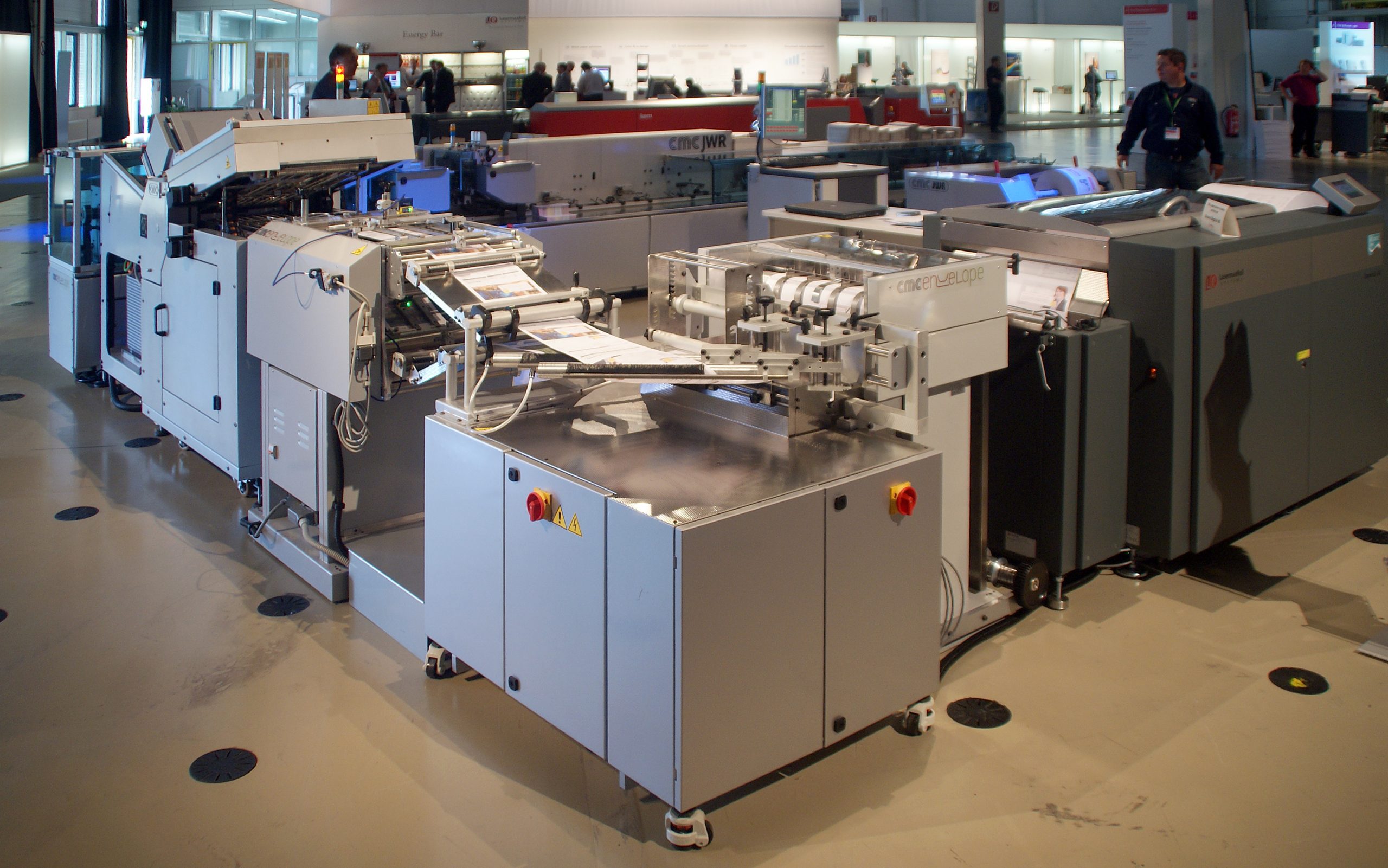
Featured image: Direct Mail Production.jpg by Smokeonthewater, CC BY-SA 4.0, via Wikimedia Commons. Image source · License