Oil prices retreated from recent highs on Tuesday as traders assessed the impact of diplomatic developments between the U.S. and Iran, alongside escalating Houthi attacks on Saudi Arabia.
What Happened
Crude prices declined slightly in early trading sessions. The drop followed a period of elevated prices, driven by concerns over regional instability and supply disruptions.
Markets reacted to a mix of signals: U.S. diplomatic outreach to Iran, and continued attacks by Houthi forces on Saudi infrastructure.
Traders are now balancing the possibility of de-escalation with the reality of ongoing military threats in the Persian Gulf.
Key Facts
- Oil prices fell from recent peaks, reflecting uncertainty about supply risks in the Middle East.
- U.S. officials have signaled efforts to ease tensions with Iran through diplomatic channels.
- Houthi attacks on Saudi oil facilities have resumed, raising fears of supply disruptions.
- Market participants are closely monitoring the U.S. and Saudi responses to the attacks.
These developments are being watched closely by energy traders and investors. The market remains sensitive to any shift in regional dynamics.
Background: How the Market Reacts
Oil prices are highly responsive to geopolitical events in the Middle East. Any disruption to major oil-producing regions can trigger sharp price movements.
For example, attacks on Saudi oil facilities—such as those in the Eastern Province—have historically caused immediate price spikes.
However, if diplomatic efforts succeed in reducing hostilities, prices may stabilize or even fall as supply fears ease.
Why It Matters
Oil price fluctuations affect global energy markets, inflation, and consumer costs.
For households and businesses, rising oil prices can increase transportation and energy costs. This impacts budgets, especially in energy-intensive sectors.
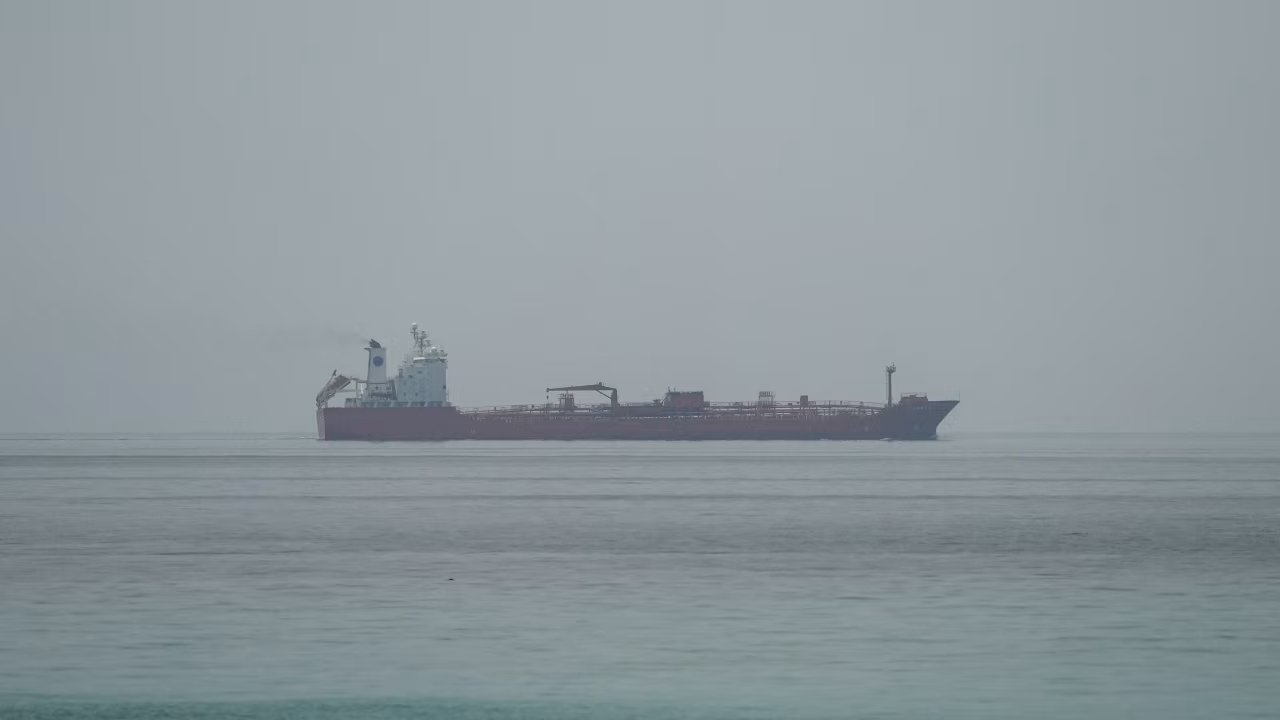
Investors also rely on oil price signals to adjust portfolios, particularly those tied to energy or commodities.
Limitations and Open Questions
There is no clear timeline for de-escalation between the U.S. and Iran. Diplomatic progress remains uncertain.
While Houthi attacks have increased, it is unclear whether they will escalate further or be contained.
Market participants cannot yet predict how these developments will shape supply risks over the coming weeks.
Further data on actual production disruptions or shipping delays will be needed to assess the full impact.
What to Watch Next
Traders will monitor:
- U.S. statements on Iran diplomacy in the coming days.
- Any new Houthi attacks or retaliatory actions.
- Reports on Saudi oil facility operations and output levels.
These developments could influence oil prices in the near term.
For more on how oil prices reacted to similar tensions, see Oil Prices Rise as Saudi and U.S.-Iran Tensions Grow.
For a broader look at energy costs in rural communities, see Rural UK Communities Struggle with Soaring Heating Oil Prices.
For the original reporting, visit The Wall Street Journal.
Sources & further reading
Featured image: original publisher image. Via original publisher. Image source