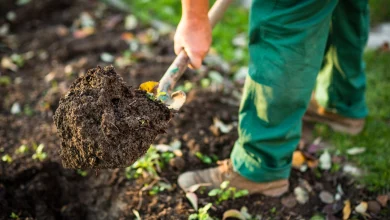
Grass seed can take longer to sprout than expected—especially in cooler fall weather. This delay is normal, but several simple steps can help speed up germination. Source: gardeningknowhow.com.
Why Grass Seed Takes Longer to Sprout
Seed germination depends on temperature, moisture, and soil conditions. As fall temperatures drop, soil cools, slowing seed activity. Most grass seeds require consistent warmth to activate. Soil temperatures below a certain level reduce germination rates. Even in ideal conditions, germination may take a variable amount of time, depending on the grass type and local climate.
Environmental factors such as wind, sunlight exposure, and soil pH also influence how quickly seeds begin to grow.
Three Ways to Speed Up Germination
- Improve seed-to-soil contact: Spread seed evenly and lightly rake it into the soil. This ensures each seed touches soil, increasing the chance of successful germination. A smooth, even layer helps prevent seed displacement and promotes uniform growth.
- Keep the seedbed consistently moist: Water the area gently and regularly. Overwatering can lead to seed rot, but dry soil reduces germination rates. A consistent moisture level is key. Morning watering is ideal, as it allows the soil to absorb moisture before the day heats up.
- Add a light top dressing: A thin layer of compost or soil helps retain moisture and provides nutrients. This layer also protects young seedlings from drying out and mechanical damage from foot traffic.
These methods are supported by practical gardening experience and are widely recommended in lawn care guides. Gardeners who have applied these techniques report improved seedling emergence and stronger lawn development over time.
Grass Types Commonly Sown in Fall
Three popular grasses are often planted in autumn:
- Perennial Ryegrass: Grows quickly and thrives in cooler seasons. It establishes fast and is ideal for lawns that need early coverage.
- Tall Fescue: Durable and long-lived. It tolerates shade and drought better than some other grasses, making it suitable for areas with variable sunlight.
- Kentucky Bluegrass: Known for dense growth and color. It requires more time to establish but offers strong long-term lawn coverage.
Each type responds differently to temperature and moisture. Choosing the right grass for your climate and soil is essential.
Limitations and Conditions
Even with ideal care, germination may not happen quickly. Factors like soil compaction, poor drainage, or low seed viability can slow progress. In areas with heavy clay soil, water may not penetrate evenly, leading to inconsistent moisture levels. Frequent rainfall can also saturate the soil, creating anaerobic conditions that inhibit seed growth.
Some gardeners report inconsistent results, especially in areas with heavy clay soil or frequent rainfall. These conditions can prevent even moisture balance and hinder seedling development.
For more detailed tips on lawn seeding, see our guide on lawn seeding best practices.
Learn about cover crops and their role in soil health at annual ryegrass planting.
Explore green fescue grass details at green fescue information.
While these steps improve germination chances, they don’t guarantee results. Weather, soil quality, and seed freshness remain critical variables.
Sources & further reading
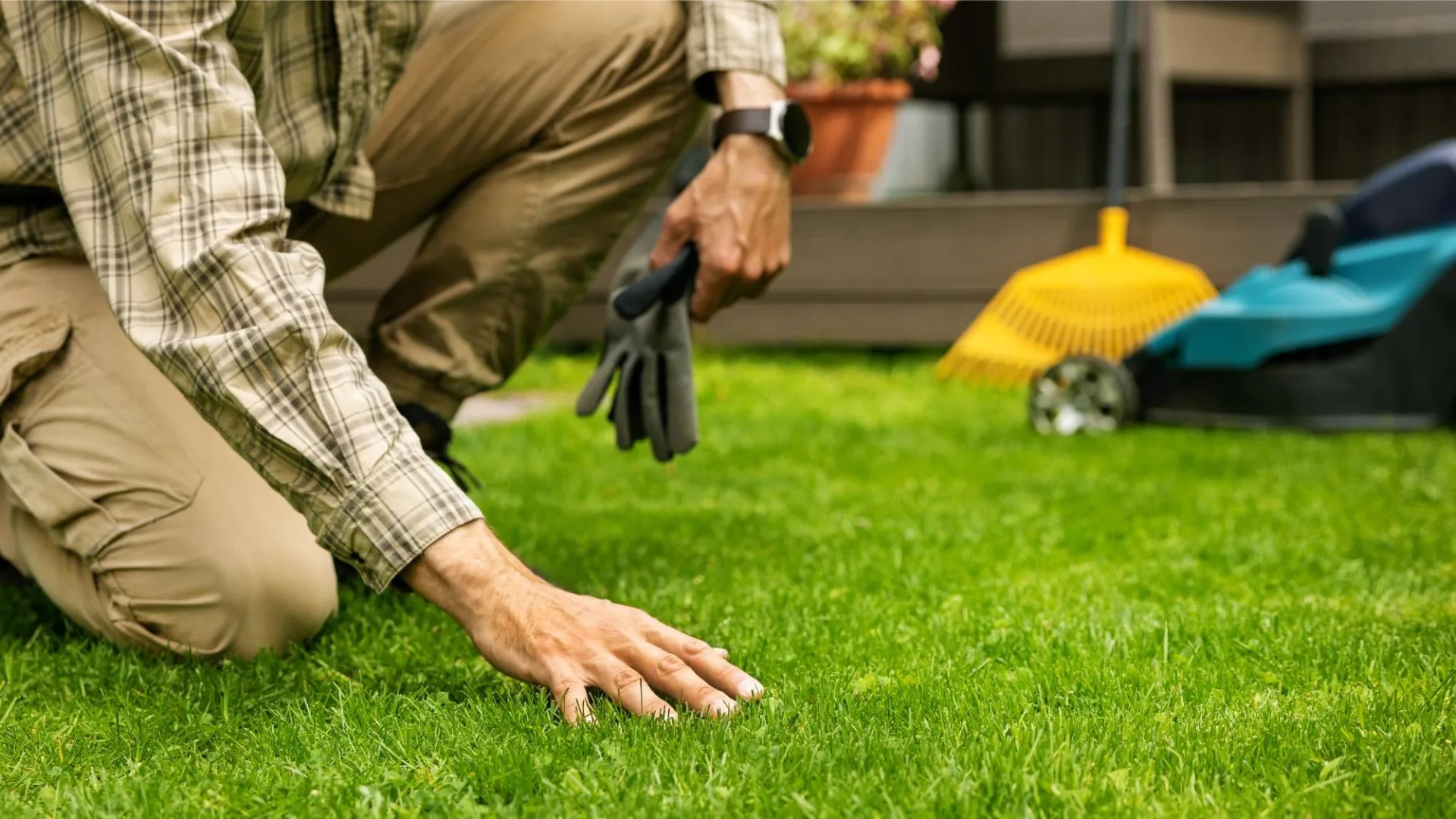
Featured image: Gardener kneeling down to touch lush grass. Via original publisher. Image source