Rapa Nui, known globally as Easter Island, lies at the far eastern edge of Polynesia—2,200 miles from continental Chile and 1,292 miles from Pitcairn Island. It is one of the most remote inhabited places on Earth. The island’s isolation has shaped not only its physical environment but also its cultural and historical development. Its location in the southern Pacific Ocean places it far beyond the reach of most maritime routes, making it a unique case study in human settlement, adaptation, and cultural resilience. Source: cntraveler.com.
Getting to and Around Rapa Nui
Most visitors reach the island by air. The only commercial flight to Rapa Nui comes from Santiago, Chile, operated by LATAM. The flight takes 5.5 hours and crosses two time zones, requiring travelers to adjust to a different time zone and climate. This journey, while lengthy, is essential for access to the island, as no regular ferry or maritime service connects it to other regions.
Once on the island, travelers typically stay in Hanga Roa, the only town with a population of around 7,750 people. Hanga Roa serves as both the administrative and cultural hub of the island, housing the majority of accommodations, restaurants, and cultural institutions. All major archaeological sites are within a half-hour drive of each other, making it practical for visitors to explore the island’s heritage through a well-organized itinerary.
Since 2017, the Chilean government has transferred administration of Rapa Nui National Park to the Ma’u Henua Indigenous Community. This group, elected by Rapa Nui residents, now manages park access, conservation efforts, and cultural preservation. The transfer reflects a growing emphasis on indigenous governance and self-determination in tourism and environmental management.
To combat overtourism, the community has raised entrance fees to CH$95,000 (about $100 USD). This adjustment ensures tourism does not overwhelm the island’s fragile ecosystems or strain its limited infrastructure. The increase is part of a broader strategy to promote sustainable tourism and protect the island’s cultural integrity.
The community now requires visitors to explore archaeological sites beyond Hanga Roa with a certified local guide. This policy ensures visitors engage with the sites in a respectful, informed, and culturally appropriate way. One visitor notes, ‘It’s no longer about just seeing the statues—it’s about understanding how they were made and what they meant to the people who built them.’
As a result, renting a car or bike to explore independently is now uncommon. A local tour operator adds, ‘We’ve seen a shift in how people come to the island. They’re not just driving around—they’re listening, learning, and connecting with the land and its people.’ Local guides are trained in archaeological knowledge and oral traditions, offering a more holistic understanding of Rapa Nui’s history.
Where to Eat
Seafood is central to Rapa Nui’s dining culture. The island’s proximity to the Pacific Ocean means that fish and shellfish are abundant and fresh, often harvested daily by local fishers. Fresh tuna is commonly served raw in ceviche, carpaccio, or tiradito—thinly sliced in a spicy citrus sauce. These preparations highlight the island’s maritime heritage and sustainable fishing practices.
Te Moai Sunset offers a standout tiradito paired with a pisco sour and views of the Moai de la Paz, or ‘Peace Moai.’ A visitor describes the experience: ‘The way the light hits the statue at sunset, and the sound of the ocean in the background—it feels like you’re stepping into a living memory.’ This restaurant is renowned for its sunset dining, where light and statues create a memorable atmosphere. The menu often includes Rapa Nui sweet potatoes, cultivated locally and used in traditional dishes.
At Te Moana, a tiki-style restaurant, mahi-mahi is served with roasted Rapa Nui sweet potatoes—a dish that highlights local ingredients and traditions. The use of native crops reflects a commitment to preserving indigenous foodways.
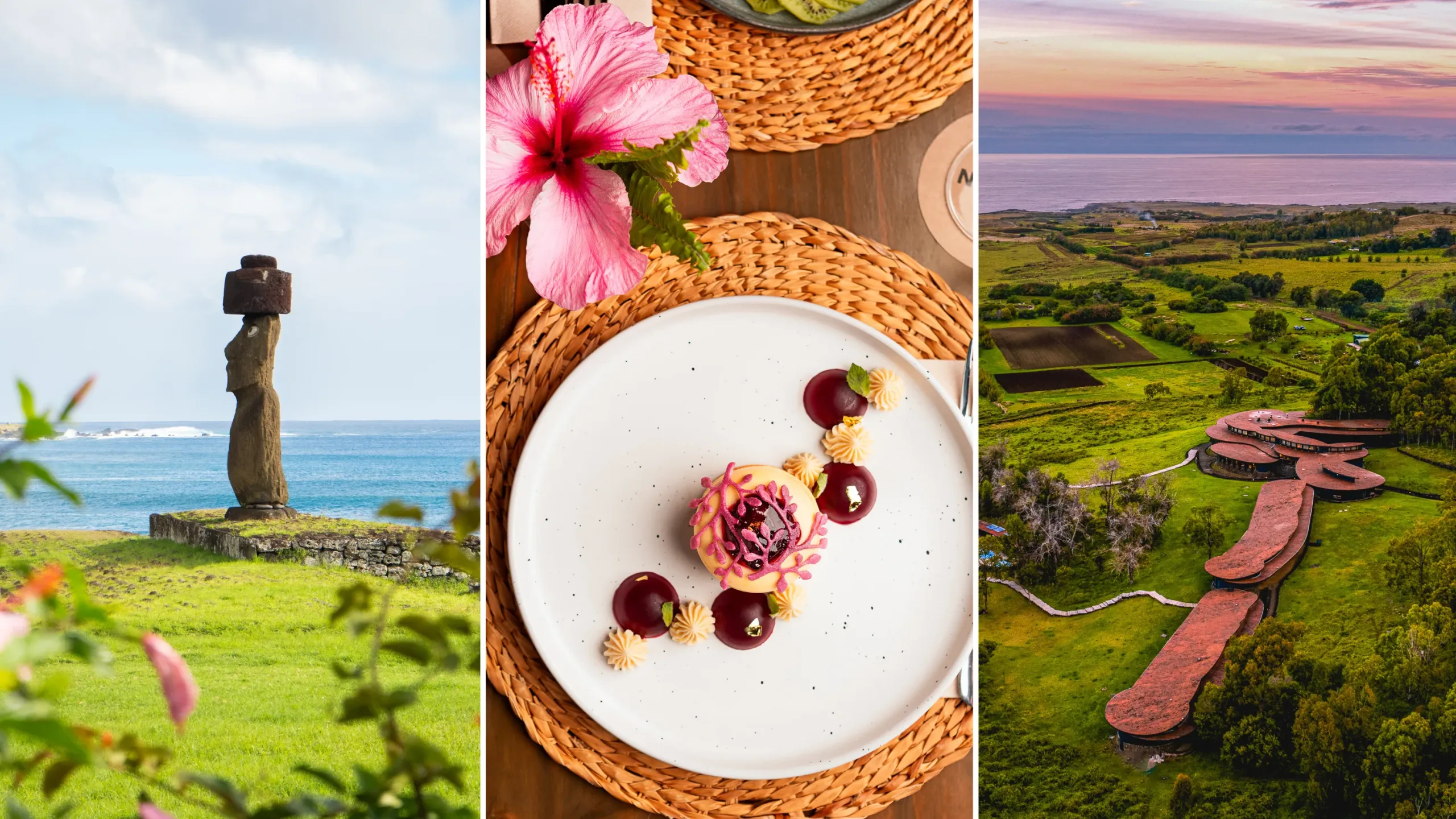
La Kaleta provides dockside ceviche lunches where visitors can watch local fishers at work. A fisher shares, ‘We go out every morning, and the sea gives us what we need. It’s not just food—it’s part of our daily rhythm.’ This is a rare opportunity to observe daily maritime life and understand how the island’s economy and culture are tied to the sea.
Kotaro, a small Japanese restaurant in Hanga Roa, is considered a hidden gem. It features an impeccable tasting menu and strict rules—such as no children and no chitchat with the chef. A chef says, ‘We believe in simplicity and respect. The food is not about show—it’s about presence.’ The restaurant emphasizes mindfulness and respect for cooking craftsmanship.
Neptuno Sunset, located near the end of the airstrip, offers bountiful seafood pastas. A local guest notes, ‘The pasta is rich, the sauce is bold, and the banana cake at the end is a perfect end to a meal.’ A dessert of po’e—a dense, banana-based sponge cake—is a must-try. Po’e is traditionally made from mashed ripe bananas and is a symbol of local culinary innovation.
What to Do
Rapa Nui does not resemble other Polynesian islands. Its landscape is dominated by grassy plains, not jungle-covered hills. It looks more like Ireland than tropical paradise. This unique terrain has influenced both the island’s ecological development and how its people interact with the land.
Two key archaeological sites are Rano Raraku and Ahu Tongariki. Ahu Tongariki is the largest moai platform, with 15 statues often seen in silhouette at sunrise. The site is especially dramatic during early morning hours when the sun casts long shadows.
Rano Raraku is a volcanic crater and quarry site where nearly 95% of the island’s moai were carved. About 400 remain in situ, in various stages of construction. The site offers insight into ancient techniques used by Rapa Nui artisans, including stone tools and labor-intensive shaping methods.
There are dozens of other ahu sites across the island, many with restored moai statues. Orongo, a stone village perched on the rim of Rano Kau volcano, was once the ceremonial center for religious festivals honoring the god Makemake. The site includes ancient stone structures and ceremonial pathways that reflect the spiritual significance of the island’s geography.
Offshore, Los Motu is a group of islets central to the 17th to 190th century Tangata Manu (Birdman) competition. The race involved a dangerous descent into the Pacific and a climb up sea cliffs to retrieve a sooty tern’s unbroken egg. This ritual tested bravery and determined leadership among chieftains.
Today, Los Motu is a popular snorkeling destination. The waters are gin-clear and home to 142 marine species found nowhere else on Earth, including the Easter Island butterflyfish. These species are a result of the island’s unique ecosystem and are a key part of Rapa Nui’s biodiversity narrative.
Mike Rapu Diving Center is one of the island’s longest-running and most respected diving operators. It offers both snorkeling and scuba diving, with certified instructors who provide detailed briefings on marine life and conservation.
On land, there are notable hikes. Terevaka is the island’s highest point at 1,675 feet. The Poike Peninsula, a barren area, contains several little-explored archaeological sites, including petroglyphs and a large rock carved in the shape of a human face. A local historian says, ‘These carvings tell stories of the people who lived here long before the moai were built. They’re not just art—they’re history in stone.’ These sites offer a glimpse into the island’s prehistoric past and early artistic expressions.
Modern Culture and Local Experiences
Despite its ancient past, Rapa Nui’s Polynesian culture remains vibrant. Local artisans produce traditional crafts such as woodcarvings, paintings, and jewelry. These crafts are not merely decorative—they are expressions of identity, history, and spiritual belief.
Mana Gallery, located on the north end of Hanga Roa, is a top destination for authentic local craftsmanship. The gallery features works by both established and emerging artists, many of whom are members of the Rapa Nui community. A local artist explains, ‘Our art is not just about beauty—it’s about memory. Every piece connects us to our ancestors and to the land.’ Visitors are encouraged to engage with the artists and learn about the stories behind their creations.
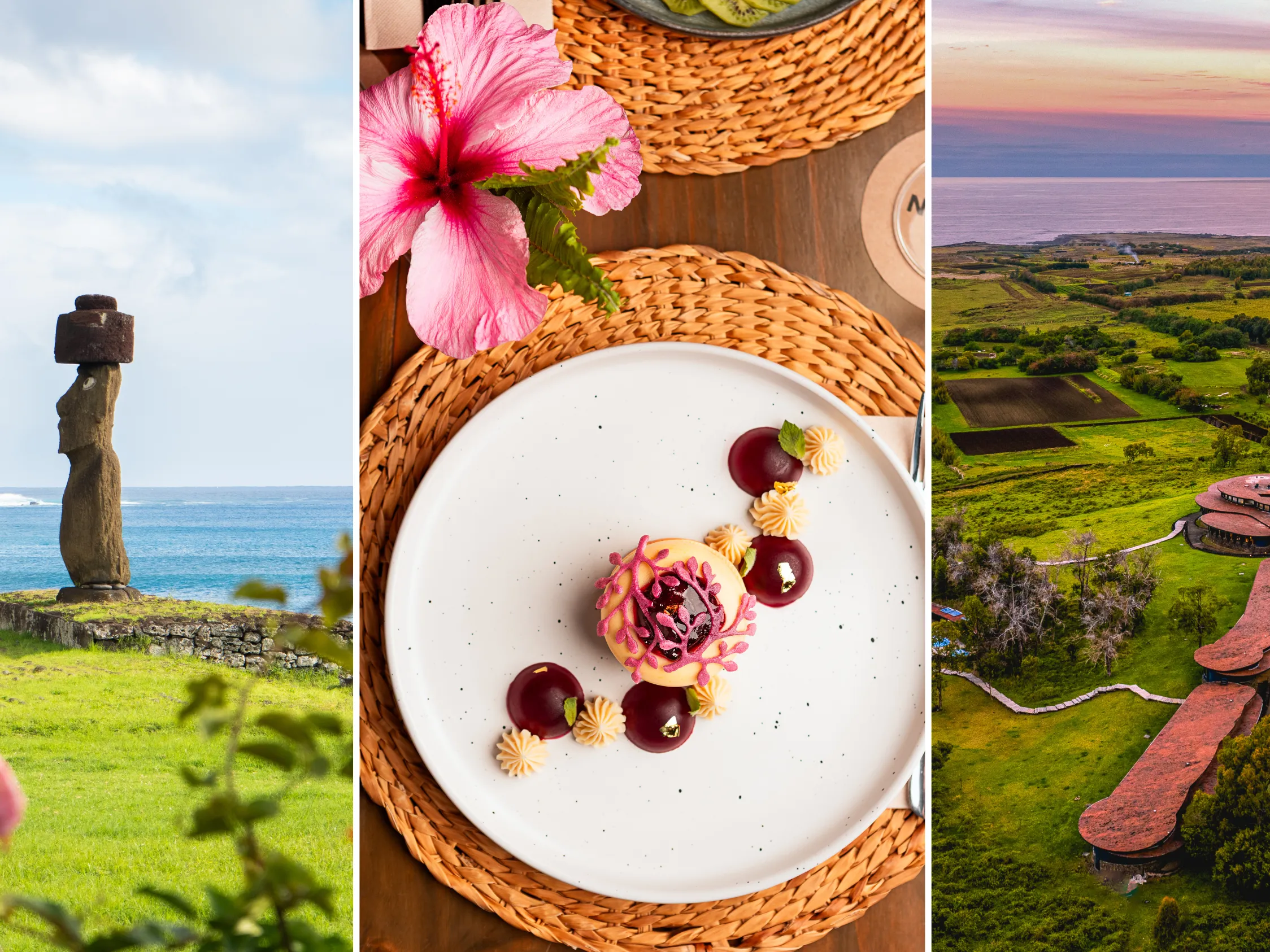
Toki Rapa Nui, a music school co-founded by classical pianist Mahani Teave, offers occasional concerts and guided visits to its Earthship building—shaped like an eight-petal flower. The school emphasizes sustainable design and music education, reflecting a broader commitment to environmental and cultural preservation.
Evening Polynesian dance shows are popular. Groups like Kari Kari and Te Ra’ai perform traditional dances. Te Ra’ai includes a traditional umu feast cooked in an underground earth oven with hot stones. A participant describes the experience: ‘The food is warm, the fire is alive, and the dance is a living ritual. It’s not entertainment—it’s a shared moment of belonging.’ This ritual, passed down through generations, celebrates community, food, and ancestral connection.
For contemporary Polynesian music, visitors can explore Iti Lafken. A local musician says, ‘We blend traditional rhythms with modern sounds. It’s not about replacing the past—it’s about keeping it alive in new ways.’ The experience is less performative and more intimate, offering a deeper connection to modern expressions of identity.
Where to Stay
Explora Rapa Nui is a standout hotel, located about 15 minutes outside Hanga Roa. It offers daily adventures led by local guides and is praised for its food and expertise. A guest reflects, ‘The way the guides explain each site—how they saw it, how they felt it—it made me feel like I was part of the story.’ The hotel integrates cultural experiences into its daily programming, ensuring guests are not just tourists but participants in the island’s living culture.
Nayara Hangaroa, a Leading Hotels of the World property, offers more flexibility. It features an oceanfront pool, three dining concepts, and oval-shaped rooms inspired by the Orongo ceremonial village. A visitor notes, ‘The design feels grounded, not flashy. It’s like stepping into a piece of the island’s history.’ The design reflects the island’s architectural heritage and provides a comfortable, immersive experience.
More affordable options include Hare Nua Hotel Boutique, centrally located and playfully designed, and Pikera Uri Eco Lodge, which offers garden rooms and horseback excursions. A guest at the lodge says, ‘The horseback ride through the plains gives you a real sense of the island’s scale and quiet beauty.’ These accommodations emphasize sustainability and local design, aligning with the island’s environmental values.
Prices on Rapa Nui are significantly higher than in mainland Chile due to isolation and limited local resources. A local resident explains, ‘We don’t have factories or large supply chains. Everything comes in from far away. That’s why prices are higher—and why every dollar spent here supports the island’s resilience and self-sufficiency.’ All accommodations reflect the island’s unique setting and cultural values, offering guests a genuine and immersive experience.
Sources & further reading
Featured image: original publisher image. Via original publisher. Image source