A growing number of homeowners are installing whole-home backup generators. This trend is not driven by fashion, but by practical necessity. Source: bobvila.com.
Why Backup Generators Are Now a Top Home Upgrade
For the first time, backup power generators made it into the top 10 most valuable home renovations according to Zonda’s annual Cost vs. Value report. It ranked at number 7 with a return on investment exceeding 100 percent in storm-prone regions. This marks a shift from a luxury item to a practical investment in home safety and value.
The rise of standby generators reflects a broader shift in how Americans perceive home preparedness. What was once seen as an optional addition for affluent or remote homeowners is now recognized as a foundational element of modern home design—especially in areas vulnerable to extreme weather.
How Standby Generators Work
A standby generator is permanently installed outside a home, typically on a concrete pad or in a utility area. It is connected directly to the home’s main electrical panel via a transfer switch, which is a critical component that ensures a seamless transition between grid power and generator power.
When the utility power fails—due to storms, grid overload, or other disruptions—the transfer switch detects the loss and automatically activates the generator within seconds. This process, known as ‘automatic transfer,’ means there is no need for manual intervention, and the home’s lights, appliances, and systems continue to function without interruption.
The generator runs on natural gas, which is typically connected to a home’s existing gas line. This eliminates the need for fuel storage or frequent refueling, making it a reliable and low-maintenance solution. Unlike portable units, standby generators do not require users to move, set up, or monitor them during operation.
Portable Generators Are Less Reliable
Portable generators are gas-powered and designed for temporary use. They are typically used to power a few essential appliances like a refrigerator, laptop, or phone charger during short outages.
However, they require manual setup—users must move the unit to a safe location, connect it to a power cord, and ensure proper grounding. They also produce significant noise, which can disturb neighbors and violate local ordinances in some residential areas.
Moreover, portable generators must be refueled regularly and are not designed to operate continuously. In a prolonged outage, they will eventually run out of fuel, leaving the home without power. This makes them unsuitable for whole-home backup needs, especially in homes with high energy demands.
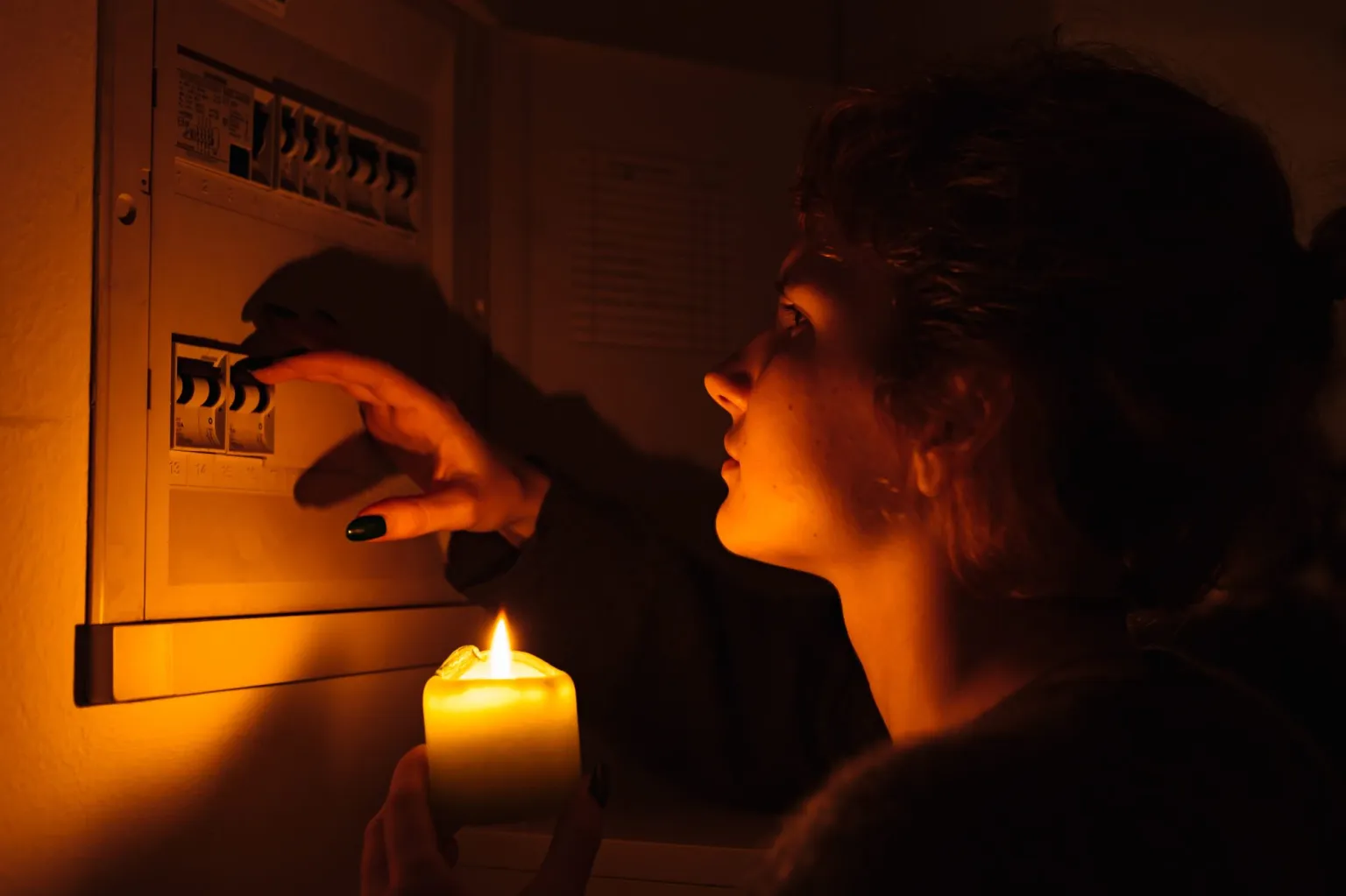
More Storms Mean More Power Outages
Extreme weather events are becoming more frequent and severe. In 2024, the average U.S. customer lost about 11 hours of power—nearly double the amount from a decade earlier. This increase is attributed to climate change, which has intensified the frequency and intensity of hurricanes, tornadoes, and thunderstorms.
Beau Tyrrel, product training manager at Jackery, notes that ‘outages stopped feeling rare.’ When disruptions happen twice as often, people begin to treat them as routine events. This shift in perception drives demand for solutions that provide consistent, reliable power during outages.
Bert Woidan, operations manager at Trademark Electric, a Generac PowerPro Prestige dealer in Ocala, Florida, observes that generator sales have surged dramatically over the past two decades. When the company first began selling generators, they set a goal of installing one generator per week. Today, they order generators by the semi-load, and during peak storm seasons, they install two to three generators per day.
Homeowners Fear Property Damage
Power loss is not just an inconvenience—it can lead to significant property damage. In humid climates such as Florida, the absence of air conditioning can result in rapid moisture buildup. Without proper ventilation, walls, ceilings, and flooring can absorb moisture, leading to mold growth, structural weakening, and long-term damage.
Woidan explains that ‘the biggest concern is your AC going out.’ In regions with high humidity, the lack of cooling can cause walls to warp, insulation to degrade, and indoor air quality to plummet. These issues not only reduce the home’s comfort but also increase long-term repair costs.
In the Midwest, Omar Muhammad, owner of Excel Electrical Technologies in Orland Park, Illinois, highlights the risk posed by basement flooding. Many homes in this region have sump pumps that prevent water from entering the foundation. When power fails during storms, these pumps stop working, and water can flood basements. A finished basement—often used for storage, entertainment, or even as a bedroom—can suffer tens of thousands of dollars in damage in a single night.
Technology Has Raised the Need for Power
Modern homes rely on electricity in ways that were not common 20 years ago. Homeowners now work from home, operate medical equipment, and maintain electric vehicles in their garages. High-efficiency furnaces, smart thermostats, security systems, and Wi-Fi networks all depend on continuous power.
As Muhammad puts it, ‘an outage today means you can’t work, can’t heat your home, and can’t charge your car.’ These are not just inconveniences—they are critical needs. For remote workers, a power outage can mean lost income or missed deadlines. For families with medical devices, it can mean a life-threatening situation. For EV owners, it means a vehicle that cannot be charged or operated.
Homebuyers Are Now Expecting Generators
Standby generators are now seen as essential, like smoke detectors or security systems. Briggs & Stratton estimates that a permanently installed generator can boost a home’s value by 3 to 5 percent. This is significant in today’s real estate market, where buyers are increasingly prioritizing features that enhance safety, functionality, and long-term value.
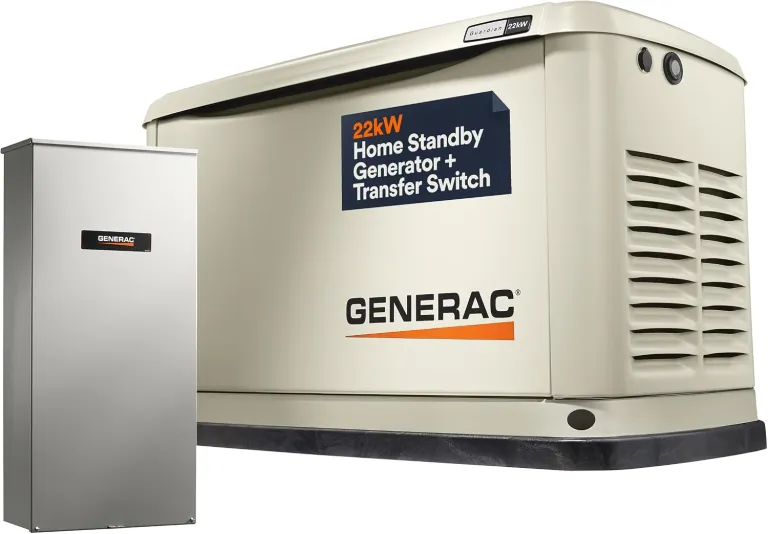
Many new construction projects now include generator installations in their blueprints. This reflects a growing expectation among buyers—especially in neighborhoods that have experienced repeated power disruptions. As Dell Jeanty, founder of Dell Residential Group in Arlington, Virginia, notes, ‘a home with a generator during an outage demonstrates preparedness, which can be a meaningful selling point.’
Some estimates suggest standby generators can recover as much as 95 percent of their installation cost at resale. However, actual returns depend on local market conditions, the type of generator, and buyer demand. In areas with frequent outages, the return on investment is typically higher.
What This Means for Homeowners
Backup power is no longer a luxury. It is a practical, cost-effective upgrade that supports safety, functionality, and resale value.
Homeowners in storm-prone areas or with high-tech homes should consider a standby generator. It protects against damage and ensures daily operations continue during outages.
For those who sell, a generator can help a home stand out. It signals readiness and responsibility—traits that buyers value.
More than ever, power is a necessity. A backup generator ensures that home life continues, even when the grid fails.
Learn more about how Florida residents prepare for hurricane season at this guide.
See the full Zonda Cost vs. Value report on home renovations at zondahome.com.
For product testing and reviews, visit Bob Vila’s product testing page.
Sources & further reading
Featured image: Photo: larisa Stefanjuk via Shutterstock. Via original publisher. Image source