Shop price inflation in the UK has reached its highest level since 2024, according to the British Retail Consortium (BRC). This marks a shift from retailers absorbing costs to passing them on to consumers. Source: theguardian.com.
Price Inflation Rises Sharply in October
Shop price inflation climbed to 2.1% year on year in October, up from 1.4% in September. This rise shows retailers are now passing on higher costs for energy and food ingredients.
The BRC said the ‘dam is starting to break’ on costs retailers absorbed over the past two years. While Halloween discounting is still happening, prices on core items like tins and packets are no longer being held steady.
Food and Non-Food Inflation Increase
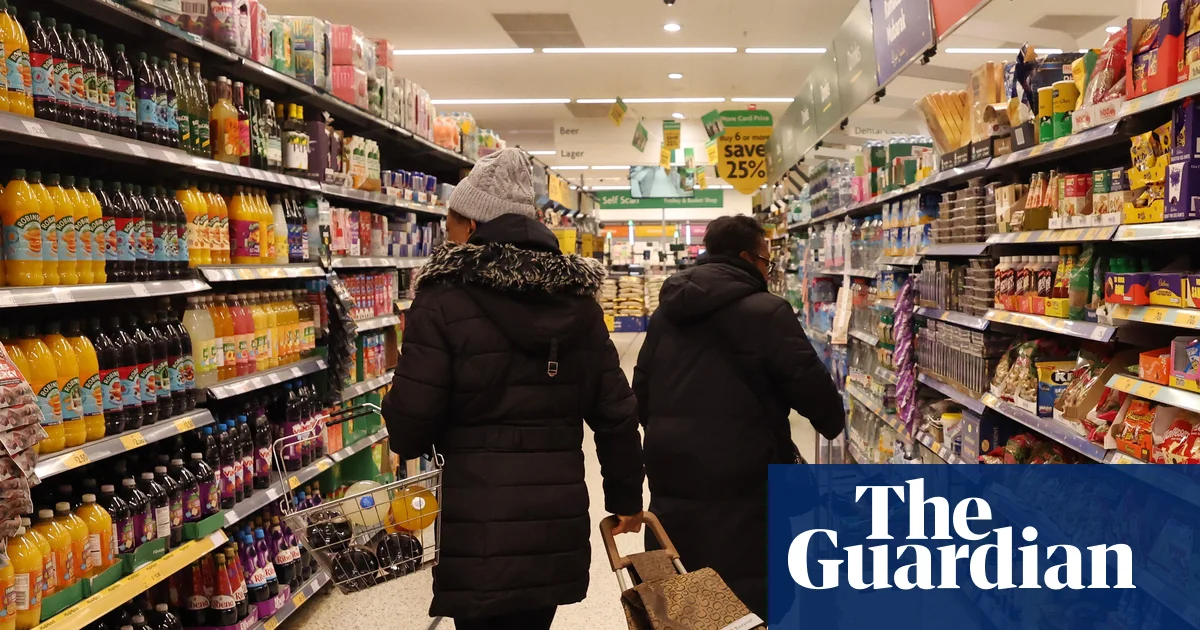
Food inflation rose to 2.9% year on year in October, up from 2.5% in September. This follows a period of stable prices, now placing more pressure on household budgets.
Non-food inflation, including clothing and footwear, more than doubled to 1.7% year on year — up from 0.8% in September. This shows rising costs are affecting more than just groceries.
Energy and Fuel Costs Drive Inflation
Energy prices have surged since the Middle East conflict began in February. Brent crude oil reached $117 per barrel recently, compared to $70 in the months before.
Gas prices have also risen sharply.
Impact on Low-Income Families
A report by Ruth Patrick of the University of Glasgow shows how high fuel prices affect low-income families. These changes reflect serious financial strain on households.
One participant, Rosie L, lives in rural Scotland. She said: ‘It’s getting to a point where I don’t know how we are going to keep managing to run our car.’
She added that public transport is unreliable and inaccessible in her area. Without a car, her children’s disabled needs would not be met. The report shows many families are making tough trade-offs between essentials and basic living costs.
Patrick found that 73% of families changed their shopping habits in the last month. About 62% changed their food choices, and 63% turned off the heating even when cold.
She said current government support does not match the scale of the financial strain. Restoring the real value of child benefit — a key support for families — would be a vital step. Sustainable, long-term policy actions are needed to protect vulnerable households.
Policy and Economic Responses
Chancellor John Healey is expected to face strong pressure from backbench MPs over the cost of living. The upcoming budget may include actions to ease inflation and improve affordability.
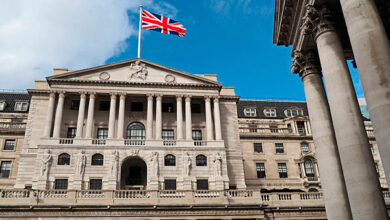
Bank of England officials are expected to raise interest rates from 3.75% to 4% next week.
Consumer confidence has declined since summer. As the Middle East conflict appeared less likely to end, demand weakened. Retailers can no longer absorb rising costs, leading to visible price increases.
What This Means for Consumers
Households face rising costs in food, fuel, and non-essential goods. The strain is especially severe for low-income families who rely on cars for daily needs.
Experts stress that long-term solutions — like restoring child benefit and improving access to affordable transport — are essential to protect affordability and prevent deeper economic hardship.
Sources & further reading
Featured image: original publisher image. Via original publisher. Image source