As winter approaches, indoor temperatures often drop—especially near drafty windows or poorly insulated rooms. Many houseplants come from tropical climates, where steady warmth and humidity are essential. These plants aren’t built to handle sudden cold or air changes, making them vulnerable in colder months. Source: homesandgardens.com.
Why Houseplants Need Winter Insulation
Indoor plants rely on stable conditions to keep roots healthy and metabolism active. When temperatures fall below 60°F—especially near drafts or cold windows—plants face stress. This shows in discolored leaves, drooping stems, and rotting roots.
Roots are especially exposed and lack protective layers. Cold air can seep into soil and damage root cells. Even in warm rooms, cold drafts near windows can create sharp temperature drops that exceed plant tolerance.
A plant against a cold window may face a large temperature difference. One side gets cold, the other stays warm. This uneven exposure causes uneven growth and long-term damage.
How to Insulate Houseplant Pots
One simple and attractive method is to place a houseplant pot inside a larger decorative container. The author recommends a wicker basket, like the one on Wayfair.
Wicker baskets are breathable. They let air circulate, preventing moisture buildup. This stops root rot and fungal growth. Unlike sealed containers, wicker maintains a healthy balance of warmth and airflow.
Inside the basket, pad the plant pot with breathable materials. Options include shredded paper, coco coir from Walmart, or burlap. These trap heat without trapping moisture, keeping roots warm and dry.
Best for Certain Plants
Plants sensitive to temperature changes benefit most. Calatheas, Chinese evergreens, and crotons have lush foliage and high water needs—making them prone to winter stress.
Terracotta planters are especially at risk. Clay is porous. Roots absorb cold air directly. This makes terracotta a poor choice for cold indoor spaces.
Plants in the coldest rooms—like bathrooms or conservatories—also benefit. Bathrooms see temperature shifts from hot water. Conservatories face cold drafts and sun exposure. Both create unstable conditions.
When Insulation Isn’t Necessary
Insulation isn’t needed in all homes. Plant expert Shane Pliska, CEO of Planterra, says plants in consistently heated rooms don’t need insulated pots.
He advises keeping plants away from cold drafts and ensuring foliage doesn’t touch cold windows. Insulating pots in such cases can trap moisture, raising root rot risk and attracting pests like fungus gnats.
This range supports root function and metabolic activity. Monitoring both room temperature and soil moisture is key. A soil moisture meter helps prevent overwatering—a common winter failure.
What to Consider Before Insulating
Each plant has unique needs. Some, like snake plants and pothos, are naturally hardy and tolerate cooler, dimmer conditions.
Species evolved for low light and cool indoor spaces don’t need extra warmth. When choosing plants, pick those adapted to cooler environments.
Plants near heat sources—like radiators or space heaters—are at risk. Excessive heat dries soil and causes leaf scorch. Keep these plants away from direct heat.
A comprehensive houseplant care kit—like the one from Homes & Gardens—can help manage winter care. These kits include tools like moisture meters, pruning shears, and seasonally tailored fertilizers.
Practical Tips for Winter Plant Care
- Place plants away from cold windows or drafts.
- Use breathable containers like wicker baskets to allow airflow.
- Pad with materials like coco coir or shredded paper to retain warmth without trapping moisture.
- Monitor room temperature and soil moisture regularly.
- Keep sensitive tropical plants in warmer rooms or use insulation only when needed.
Insulation is helpful—but not a one-size-fits-all solution. Overuse in warm homes can backfire. A balanced, thoughtful approach ensures long-term plant health and reduces winter damage.
For diverse plant collections, understanding each species’ needs is key. A few minutes of observation and research can keep your indoor garden vibrant through winter.
Sources & further reading
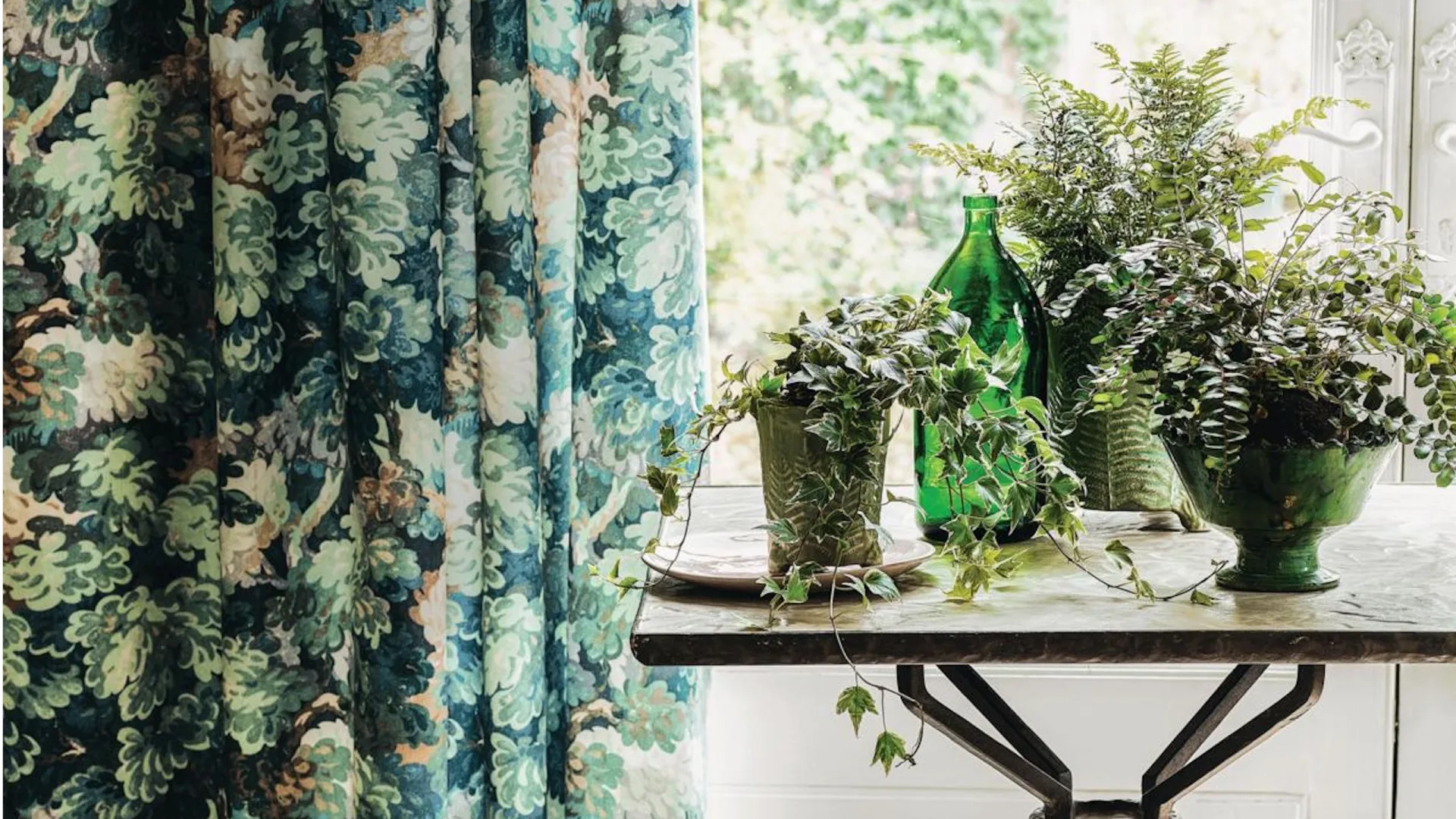
Featured image: Houseplants on table next to patterned curtain. Via original publisher. Image source