Madrid’s streets hum with a familiar rhythm. A round, sing-song accent cuts through the city’s daily noise. It’s the sound of Venezuelan Spanish, spoken by those who have fled the chaos of Caracas and settled in Spain’s capital. Source: cntraveler.com.
Venezuelans in Madrid: A Community of Taste and Memory
With nearly 130,000 Venezuelans now living in Madrid, the city has become the largest Venezuelan diaspora outside the Americas. That number rises to nearly 700,000 when including all Venezuelans abroad. This community spans a broad socioeconomic range—from delivery drivers to financiers and political exiles.
Unlike other diasporas, Venezuelans in Madrid are not clustered in one neighborhood. Instead, they are spread across the city. This dispersion reflects both the diversity of their backgrounds and the complexity of their migration paths. Some arrived directly from Caracas during periods of political unrest and economic collapse. Others came through intermediate cities such as Miami, New York, or London, where they built lives and networks before settling in Madrid. This multi-step migration has created a community that is not only geographically dispersed but also culturally layered—individuals who have lived in different parts of the world and brought with them distinct experiences of identity and belonging.
For many, food is more than sustenance—it’s a lifeline. In Madrid, family-run restaurants and community cafés serve dishes that carry the flavors of Venezuela’s coastal cities and rural heartlands. These dishes are not merely replicated; they are reinterpreted with local ingredients and techniques, reflecting both cultural continuity and adaptation. The presence of Venezuelan food in Madrid is not a passive phenomenon—it is an active expression of identity, resilience, and emotional survival.
Food as a Cultural Anchor
At Buda Bar Delicias Venezolanas, a woman greets guests with amor and asks reina what they’d like to order. The menu features empanadas de carne mechada and guasacaca, a herby green sauce. These dishes are not just food—they trigger emotional memories. The act of ordering, the way a dish is presented, and the language used—like the request for an ñapa—are all deeply symbolic. Such gestures are not trivial. They represent a shared language of belonging, one that transcends geography and speaks directly to the emotional core of displacement.
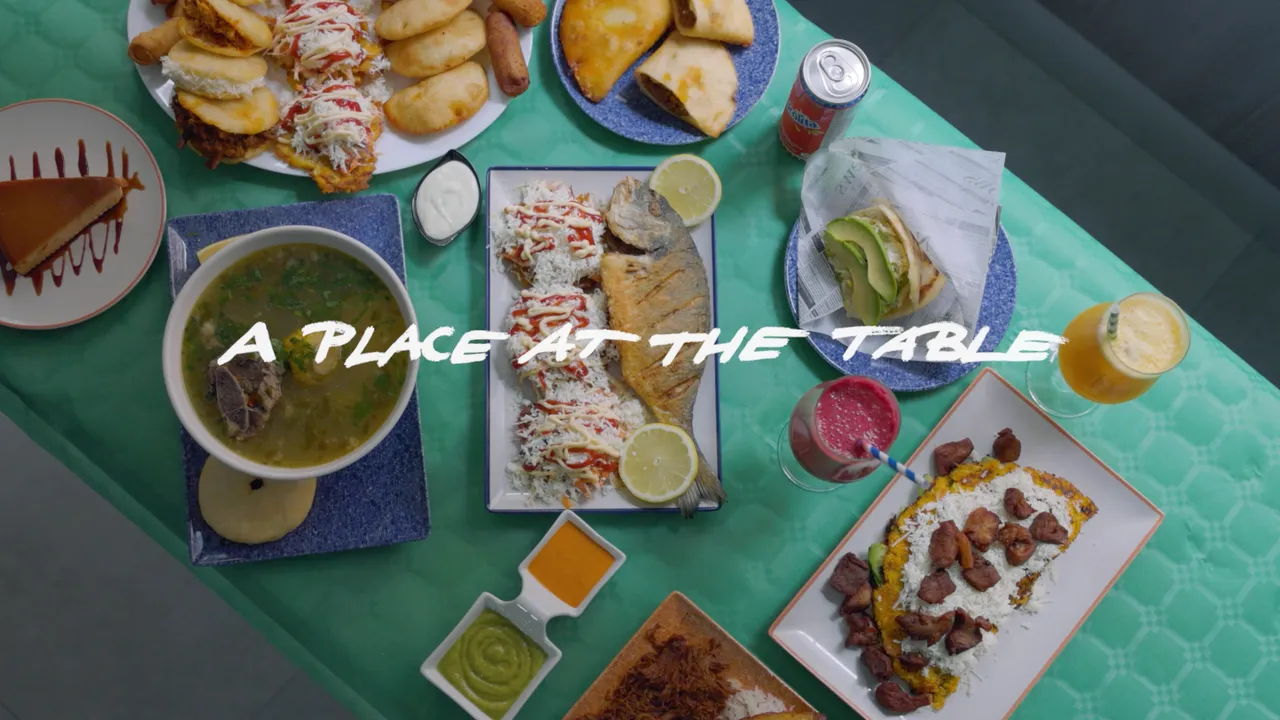
One diner comments on the irony of Venezuela’s oil production and hospital shortages. The remark reflects a common sentiment among those who have lived through the country’s economic and political decline. These conversations are not isolated—they occur in market stalls, cafés, and food courts, where Venezuelans gather to share frustrations, hopes, and stories. The food becomes a medium through which political and social realities are discussed, often with a sense of both despair and quiet defiance.
From Pioneers to a Growing Scene
Manuel Pérez Álvarez and his wife Maira María Gómez opened El Empanadazo in the Mercado de Las Maravillas. They had moved to Spain in 1997 after years in Puerto de La Cruz. They recall waiting 45 minutes in line for empanadas. That wait sparked a realization: there was a need for Venezuelan food in Madrid. The couple saw an opportunity and opened a restaurant that quickly became a gathering place.
‘It was really where the Venezolanismo here in Madrid started,’ Pérez says. In the early days, he remembers seeing people with tears in their eyes. For immigrants, small things—like the taste of home—can be deeply moving. At the time, Venezuelan food was hard to find. Today, delivery apps list hundreds of options. But El Empanadazo was among the first. It helped lay the foundation for a growing food culture. The restaurant’s success was not just about selling food—it was about creating a space where Venezuelans could gather, share stories, and feel seen.
Modern Venezuelan Baking in Madrid
Be it Arepa’s Coffee Shop near Moncloa or the four-location La Arepera, the rise of Venezuelan food spots continues. The March 2026 Arepa Fest drew over 5,000 people to the north of Madrid. The event featured Venezuelan and Colombian food, with music alternating between merengue and reggaeton. Such festivals are not just cultural events—they are acts of resistance and celebration. They affirm the presence of Venezuelan culture in a foreign land, turning temporary gatherings into enduring traditions.
At Panadería Torrerí, opened in 2024, owner Mara Azuaje brings traditional pastries to Barrio de Salamanca. The neighborhood, known as ‘Little Caracas,’ had no Venezuelan bakery before. Azuaje came to Spain at 27. She worked cleaning homes, as a delivery driver, and caring for children to save money. She says she was always ambitious. Her grandmother taught her the value of learning an oficio—a craft. ‘I was always baking with my grandmother who told me I needed to know how to do something, so I opened a bakery,’ she says. Today, her bakery is known for homemade bread and hearty pastries like cachitos and golfeados. The bakery has become a symbol of resilience—proof that even in the face of hardship, individuals can build meaningful enterprises from the ground up.
Community Through Shared Experience
At Cafetín, run by Bea Castelló Castro and Luis Felipe Fossa, the menu blends Venezuelan flavors with international influences. They stayed in power and saw the economy worsen. When the bank where Fossa worked offered a job in Zurich, they left Caracas. Now, Cafetín serves Venezuelans who arrived directly from Caracas or through cities like Miami, Boston, or London. Guests often start conversations over shared details—like a college sweatshirt or a mention of Caracas. As Castelló Castro says, ‘empiezas a hacer nexo’—you start to make connections. These interactions build a sense of belonging. In difficult times, such moments feel especially meaningful.
Why This Matters
The presence of Venezuelan food culture in Madrid is more than a culinary trend. It reflects a deep emotional and social need. For immigrants, food is a way to preserve identity. It allows them to feel at home—not just in the dishes, but in the way they are asked for. At Buda Bar, owner Rebeksa Mouzaber explains: ‘We know what it means when they ask for an ñapa—just like we know how it feels to be so far from home.’ These small gestures—like a top-up, a shared story, a familiar dish—create a sense of continuity. In a world of displacement, they offer comfort.
Limitations and Open Questions
While the food scene has grown, it remains a small part of Madrid’s broader cultural landscape. The community is still fragmented, with many members navigating financial and emotional challenges. There is no official data on how many Venezuelans live in Madrid or how many of them work in food service. The numbers are estimates based on migration patterns and community reports. Also, the long-term sustainability of these food businesses remains uncertain. Many operate on thin margins and rely on personal networks for survival. As Venezuela continues to face economic and political instability, migration may remain a fluid process. The future of this community—and its food culture—depends on both local support and global conditions.
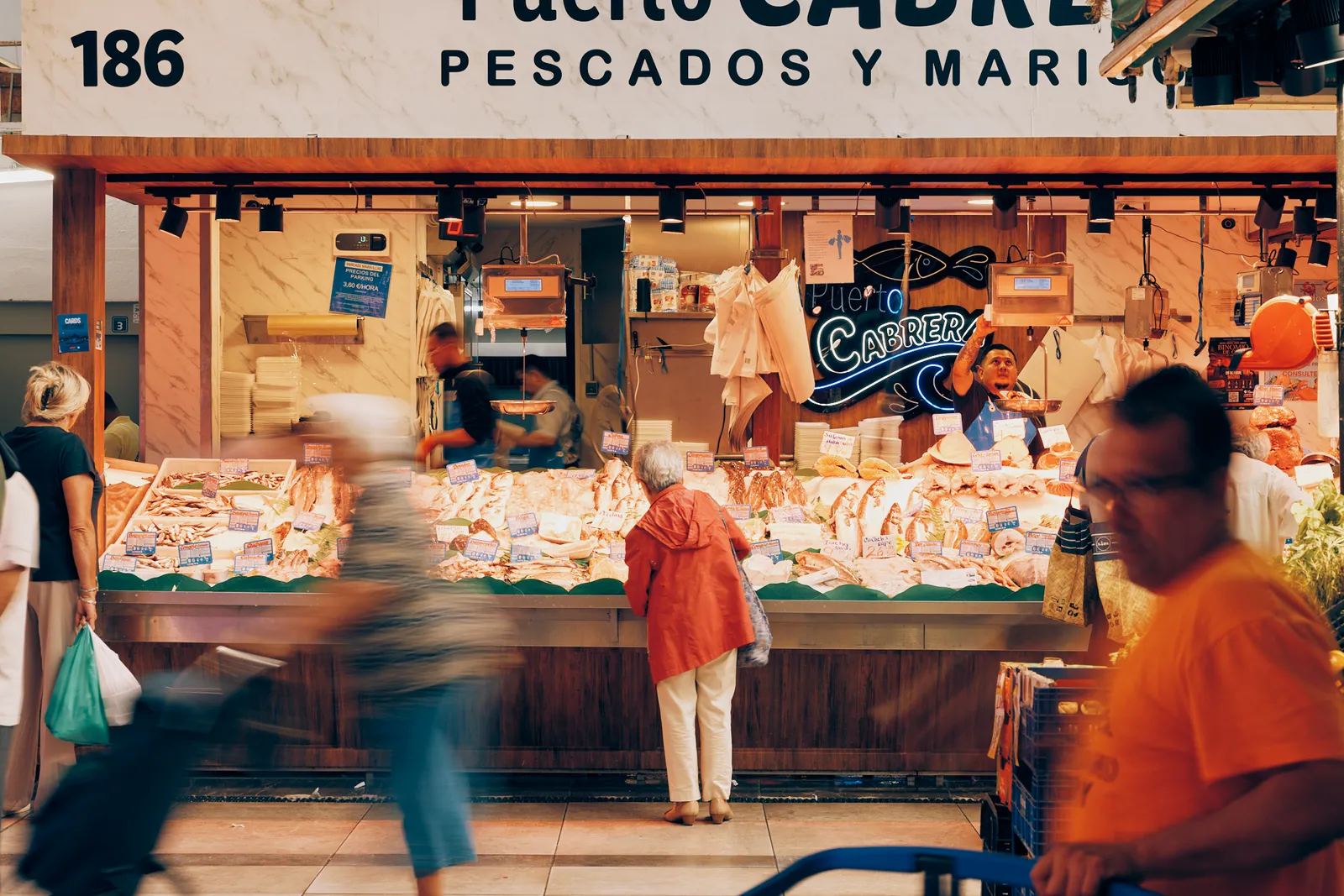
For now, in the bustling Mercado de Las Maravillas, a sweet-corn cachapa grills on a flattop. A food courier accepts a freshly made empanada. The scene is quiet, but full of meaning. It’s not just about food. It’s about belonging.
Sources & further reading
Featured image: original publisher image. Via original publisher. Image source