Designers have identified two kitchen cabinet trends that, despite their popularity, are often impractical for everyday use. These trends—mirrored cabinets and open shelving—have gained traction through social media and design influencers, but their real-world performance in daily kitchen environments raises serious concerns about functionality, maintenance, and long-term usability. Source: apartmenttherapy.com.
Mirrored Cabinets: Glamour with a Cost
Mirrored cabinets have gained traction in recent years, especially on social media. They create an illusion of space and add a reflective, elegant touch to small kitchens. The reflective surfaces help bounce light around a room, which is especially useful in dimly lit spaces. This visual effect can make a compact kitchen feel larger and more open, a benefit that appeals to many homeowners.
Designers acknowledge their visual appeal. Izabela Tokarski of Kabela & Co. says mirrored surfaces can make a kitchen feel larger and airier. She notes that in spaces with limited square footage, the reflective quality can enhance natural lighting and reduce the perception of clutter. This makes mirrored cabinets a popular choice for modern, minimalist kitchens aiming to maximize perceived space.
However, not all designers are convinced. Katelyn De Spain of Makehouse Design Studio points out that mirrored cabinets are typically associated with antiques. She explains that modern versions are not truly vintage, but rather imitations of old styles. This disconnect between historical authenticity and contemporary design can lead to a kitchen that feels out of place or dated within a few years.
De Spain warns that using mirrored cabinets across all cabinets can create a ‘hall of mirrors’ effect. This visual chaos can be overwhelming and disrupts a calm kitchen environment. In a space where functionality and calmness are essential, such an effect may feel jarring rather than elegant.
Jennifer Stephan adds that cleaning mirrored cabinets is a major challenge. Grease, fingerprints, and cooking residue make regular maintenance nearly impossible. A single chip in the glass could also pose a safety hazard. Stephan emphasizes that in a high-traffic kitchen, where spills and splatters are common, the durability of mirrored surfaces is questionable.
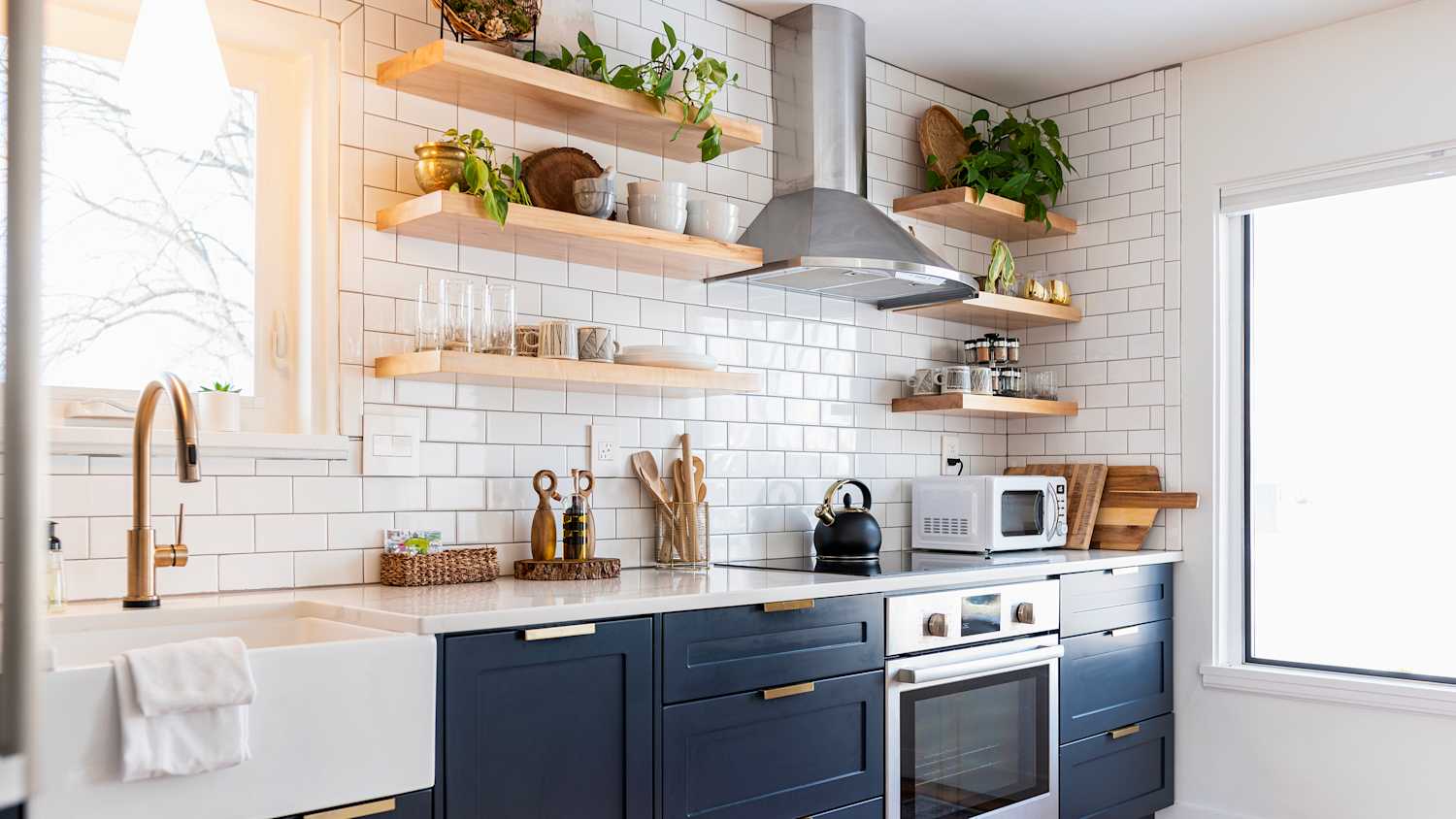
Stephan also observes that mirrors can introduce visual noise. Reflections from multiple angles can scatter light and create distracting images throughout the room. This is particularly problematic in rooms with uneven lighting or multiple reflective surfaces, where the visual effect becomes chaotic rather than harmonious.
Tokarski agrees. She emphasizes that many homeowners prefer materials that are easier to maintain. In a high-traffic kitchen, durability and low upkeep are essential. She adds that mirrored cabinetry can also feel unexpectedly bold or flashy once the renovation is complete, which may not align with a family’s desire for a quiet, functional space.
That doesn’t mean mirrored cabinets are entirely ruled out. Designers suggest using mirrored insets on a few upper cabinets instead of full coverage. A freestanding pantry unit with a mirrored front could offer a stylish touch without overwhelming the space. These smaller touches can introduce a little glamour without sacrificing practicality.
Open Shelving: Aesthetic Appeal with Real Downsides
Open shelving has long been a debated trend in kitchen design. It was once considered fashionable to display kitchenware openly. Today, many designers still see it as impractical.
Designers agree that open shelving is best suited for short-term or low-use spaces. Jennifer Stephan says it is ‘gorgeous’ but ‘not ideal’ for a family kitchen. She compares it to maintaining a showroom — something that rarely fits daily life. In a home where meals are prepared frequently and multiple people use the space, open shelving can quickly become a source of disorder.
Open shelves expose dishes, cookware, and glassware to dust, grease, and cooking residue. Tokarski explains that this often leads to dishes being washed before use, which is both time-consuming and inefficient. This creates a cycle where the kitchen becomes a place of preparation rather than one of ease and flow.
She also notes that open shelving makes it hard to store bulk items or less attractive tools. These items often end up cluttering the space, leading to a messy appearance. For example, a family might have a collection of spices, baking tools, or heavy pots that don’t fit neatly into a cabinet. Without proper storage, these items become visual distractions rather than functional assets.
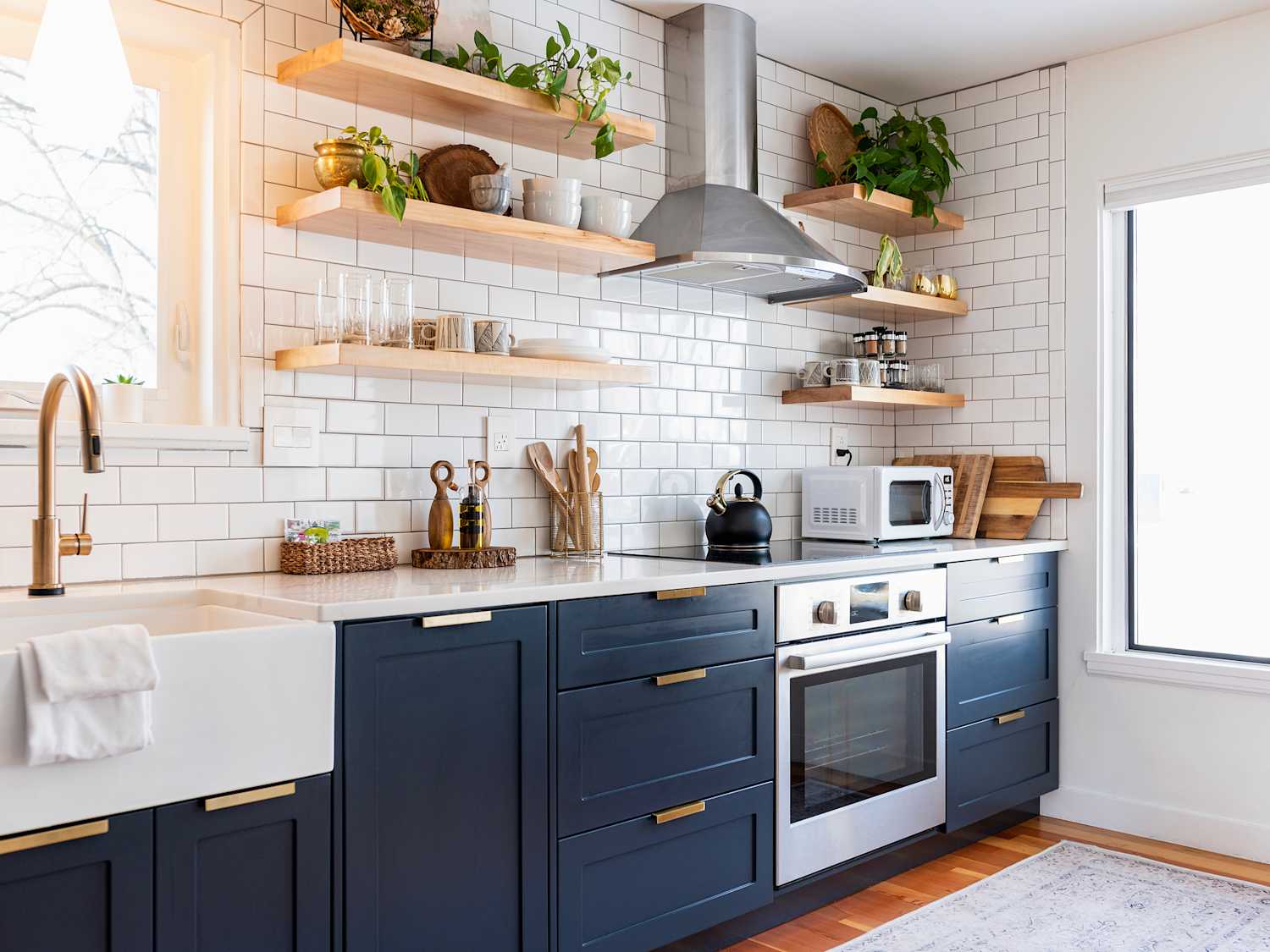
Designers agree that organization is a key challenge. Without consistent effort, open shelving can quickly become disordered. This is especially true in homes with active families or frequent guests. A child might drop a spoon, a guest might leave a plate, or a pot might be left unattended—each of these actions can quickly turn a well-organized shelf into a chaotic scene.
Still, solutions exist. Designers recommend thoughtful planning and regular maintenance. Using labeled bins, organizing by function, or pairing shelves with clear containers can help keep the space tidy. However, these solutions require ongoing commitment and discipline, which may not be feasible for all households.
If you’re considering open shelving, it’s important to understand the trade-offs. The trend may suit a minimalist or rental property, but it’s less practical for daily use. For a family kitchen, where consistency and efficiency matter, open shelving may not be the best choice.
What to Consider When Choosing Cabinet Trends
- Assess your daily kitchen use. How often do you cook? How many people use the space?
- Think about maintenance. Which materials are easiest to clean?
- Balance style with function. A beautiful look doesn’t have to come at the cost of usability.
- Consider space constraints. Small kitchens benefit from visual expansion, but not at the expense of practicality.
Designers stress that practicality should guide decisions. A kitchen is a daily workspace. It needs to support routine tasks, not just visual appeal. For those seeking both style and function, classic cabinetry offers a reliable alternative. Materials like wood, laminate, or metal provide durability and ease of cleaning without sacrificing aesthetics.
Designers recommend exploring smaller, targeted features instead of full-scale trends. A single mirrored cabinet or a few organized shelves can add character without sacrificing practicality. This approach allows homeowners to enjoy design elements without compromising on daily usability.
These trends highlight a broader principle: home design should serve daily life, not just current fashion. A well-designed kitchen is one that supports both beauty and function, adapting to the needs of its users over time.
Sources & further reading
Featured image: original publisher image. Via original publisher. Image source