US regulators have approved SpaceX’s plan to launch a million satellites for AI data processing — the first such approval for a space-based data centre network. Source: bbc.co.uk.
What Happened
The Federal Communications Commission (FCC) granted SpaceX permission to deploy a constellation of one million satellites under its Starmind project. This marks the first regulatory approval for a full-scale orbital data centre network designed to support artificial intelligence operations.
The approval allows deployment to begin no later than November 2033. SpaceX must deploy 10% of the satellites by November 2035 and 50% by November 2038. The company plans to launch its first Starmind satellite in the coming year.
How the Plan Works
The satellites will use sunlight for power, avoiding reliance on ground-based energy sources.
Each satellite will process AI data in real time. Results are sent via secure links to Starlink satellites, which then relay them to Earth through ground stations.
SpaceX says this method is the most cost- and energy-efficient way to meet rising AI computing demands. It avoids the physical limits of land-based data centres.
Why It Matters
AI demand has surged, increasing data storage and processing needs globally. Traditional data centres are large, power-hungry, and often face public resistance.
Space-based computing is promoted as a greener, more scalable alternative. It reduces need for massive cooling systems and power grids.
FCC Chairman Brendan Carr called it a ‘bold new frontier’ for US computing. He said it reflects American ingenuity and strengthens economic leadership.
Elon Musk posted on X: ‘Much appreciated. This will be a great asset to America and the world.’ He emphasized the project’s national and global value.
Scientific and Public Concerns
Experts question whether the plan works at scale. Professor Sir Martin Sweeting said the concept is technically possible, but data transfer efficiency remains unproven.
He noted that ground-to-satellite laser links have not yet reached the performance needed for large data flows. Without them, data transfer could fail or slow.
The American Astronomical Society said it is ‘disheartened and dismayed’ by the decision. The constellation would interfere with decades of astronomical research.
It warns that the satellites will be larger and brighter, visible for long periods. This creates persistent light pollution that blocks night-sky observations.
Jan Hasselman of Earthjustice said: ‘Drastically expanding satellites in space has a direct impact on people’s everyday lives and the future of our planet.’
Other Companies Are Exploring the Idea
Google and Blue Origin have also studied space-based computing. They see it as a solution to AI’s growing power and cooling demands.
These firms are testing orbital platforms for real-time analytics and global connectivity.
Limitations and Risks
Launching satellites remains expensive. Power, cooling, and protection systems in orbit are complex and challenging.
More low-orbit satellites increase crash risks. A collision could damage equipment or send debris back to Earth.
Space debris already threatens low-Earth orbit. A single impact could trigger a cascade of collisions — known as the Kessler syndrome.
SpaceX denies claims that Starlink satellites are crowding space. But orbital congestion remains a concern among experts.
What to Watch Next
It is unclear whether SpaceX will launch a million satellites or if it sought approval for a higher number. The final plan will depend on technical progress, public response, and evolving regulations.
As AI demand grows, space-based computing may become viable — but only if key technical, environmental, and ethical challenges are addressed through transparent, inclusive, and science-based decisions.
Sources & further reading
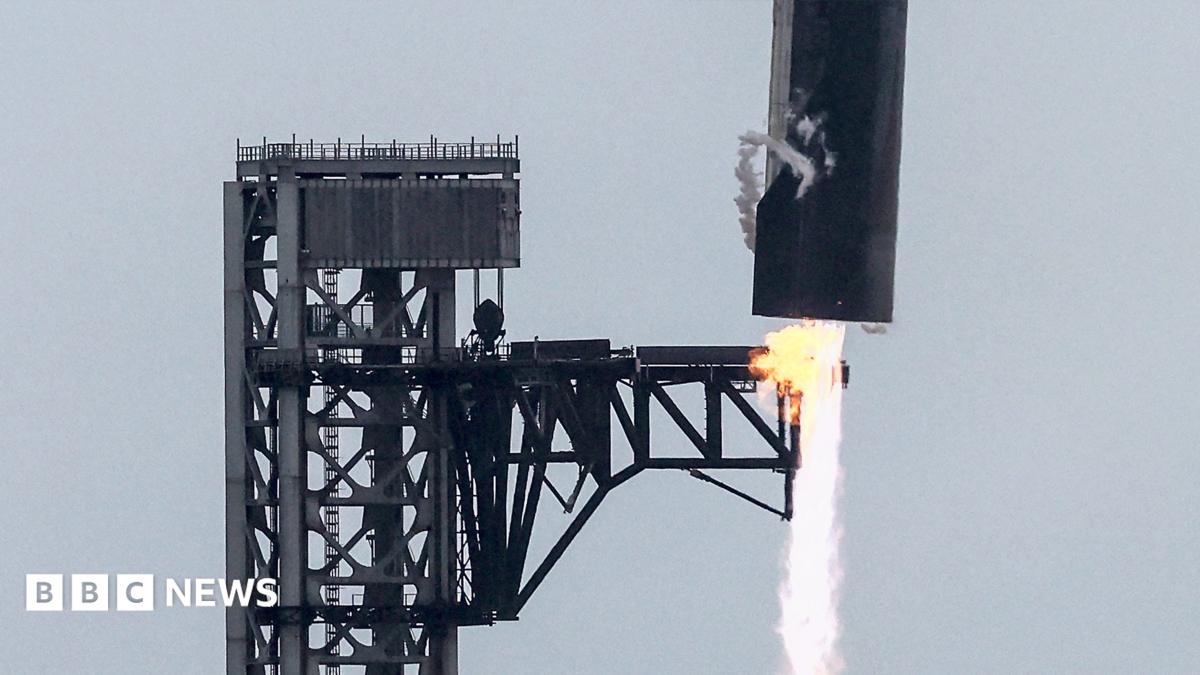
Featured image: SpaceX Starship Ship 42 is caught in the arms of the launch tower as it returns from flight on November 14, 2026 in Starbase, Texas.. Via original publisher. Image source